![]()
Autonomy as a professional skill: normative fiction or observable reality?
Autonomy, omnipresent in reference frameworks, remains rarely defined and difficult to teach and assess. This article shows that autonomy is not so much an individual skill as a situated ability, built on interdependence and environments equipped, in particular, with AI. It proposes to make it a genuine learning object, explicit, progressive and critical.
![]()
When pedagogy is based on competition
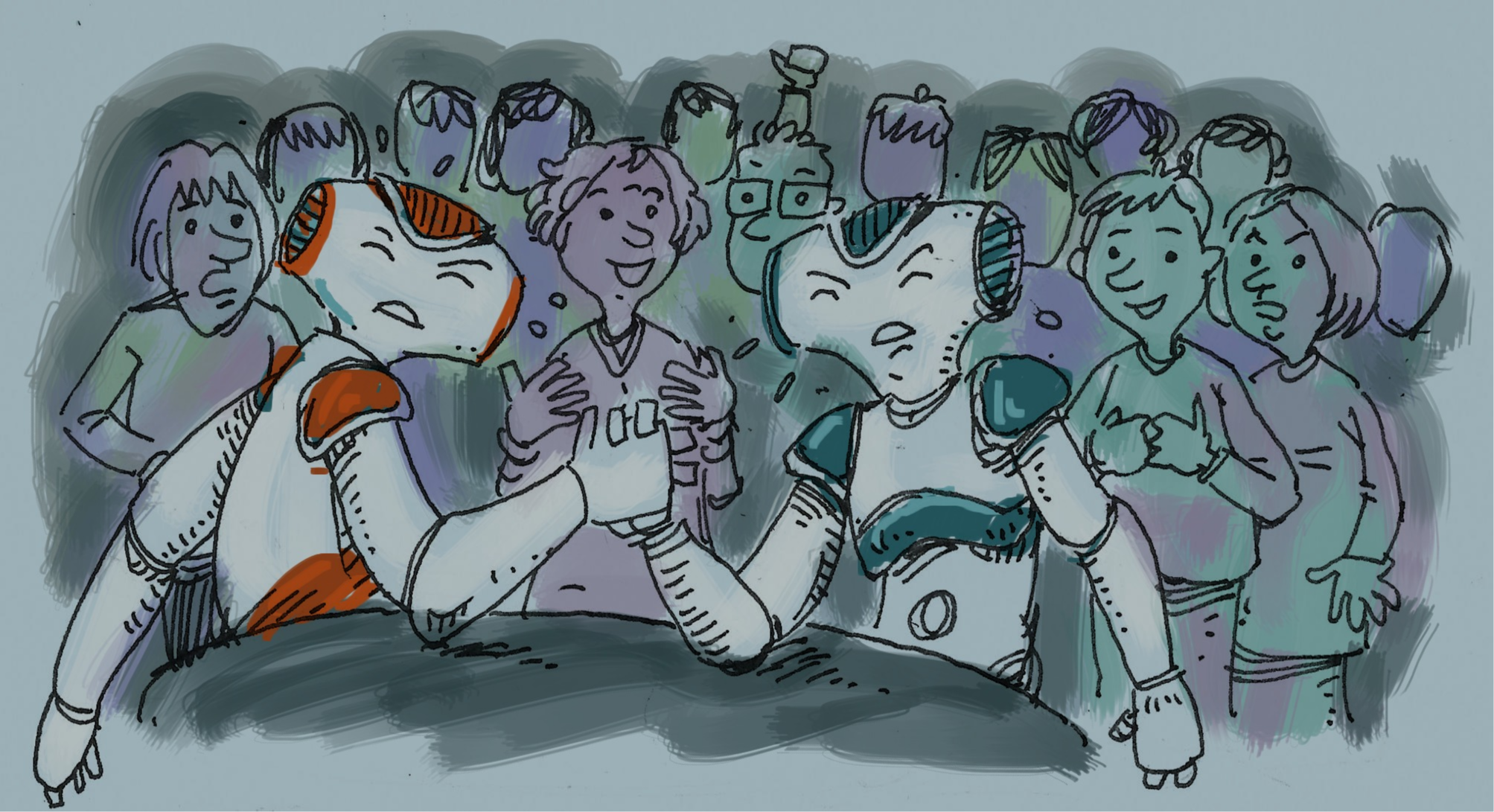
Competition doesn't mix well with pedagogy. They undermine the pleasure of learning, make participants forget their educational objectives and can damage their self-image. And yet, large-scale educational activities in the technical, automotive or robotics fields are based on competition between national and international teams. How can we explain the motivation and pedagogical interest generated by these tournaments?
![]()
Active even while reading
For some, reading may seem like a passive occupation. On the contrary, reading requires you to be active in order to fully understand the meaning of the words, the author's message, the humor or the unspeakable between the lines, and so on. Strategic reading is a pedagogical method that brings a dynamic element to reading, taking it further than passing the eyes from the first word on the page to the last.
![]()
Saving flying species from extinction (birds, butterflies, etc.)?
Unchecked urbanization, proliferation of domestic animals, pesticides, monoculture, poaching... the sum total of environmental aggressions is making life hard for flying species. The easy way leads to big problems, but answers are beginning to appear.
![]()
Video games to develop social skills
Because it's still an ingrained idea among the general public, let's repeat it: video gaming is no longer a solitary pastime. In the age of the Internet and online consoles, gamers have never been more connected. In fact, many psychologists believe that gaming, both solo and with others, allows gamers to build emotional and relational skills.