Preparing for hazards rather than dealing with them
The 2020s will have been a decade of great uncertainty. The covid pandemic, armed conflicts, extreme polarization in politics and so on. Many of these are black swans, i.e. unforeseen crises that force everyone to act.
Others, however, like the climate crisis, have been visible and expected for years. Whatever the situation, we need to know how to behave. The danger of fragility is to suffer the aftershocks and end up battered in the wake of a crisis.
The "antifragile" strategy, as this HEC Paris professor explains it, is to be able to diagnose an organization's weaknesses or vulnerabilities in order to plug certain gaps. Secondly, it requires the ability to plan for unexpected instabilities.
How can we ensure that we don't find ourselves in a crisis management situation? What can we adapt to better respond to the various variables that may arise? As examples of "antifragile" groups, the specialist gives GAFAMs, which bounce back quickly according to current events, and armed forces, which are able to adjust to the realities of a conflict or situation.
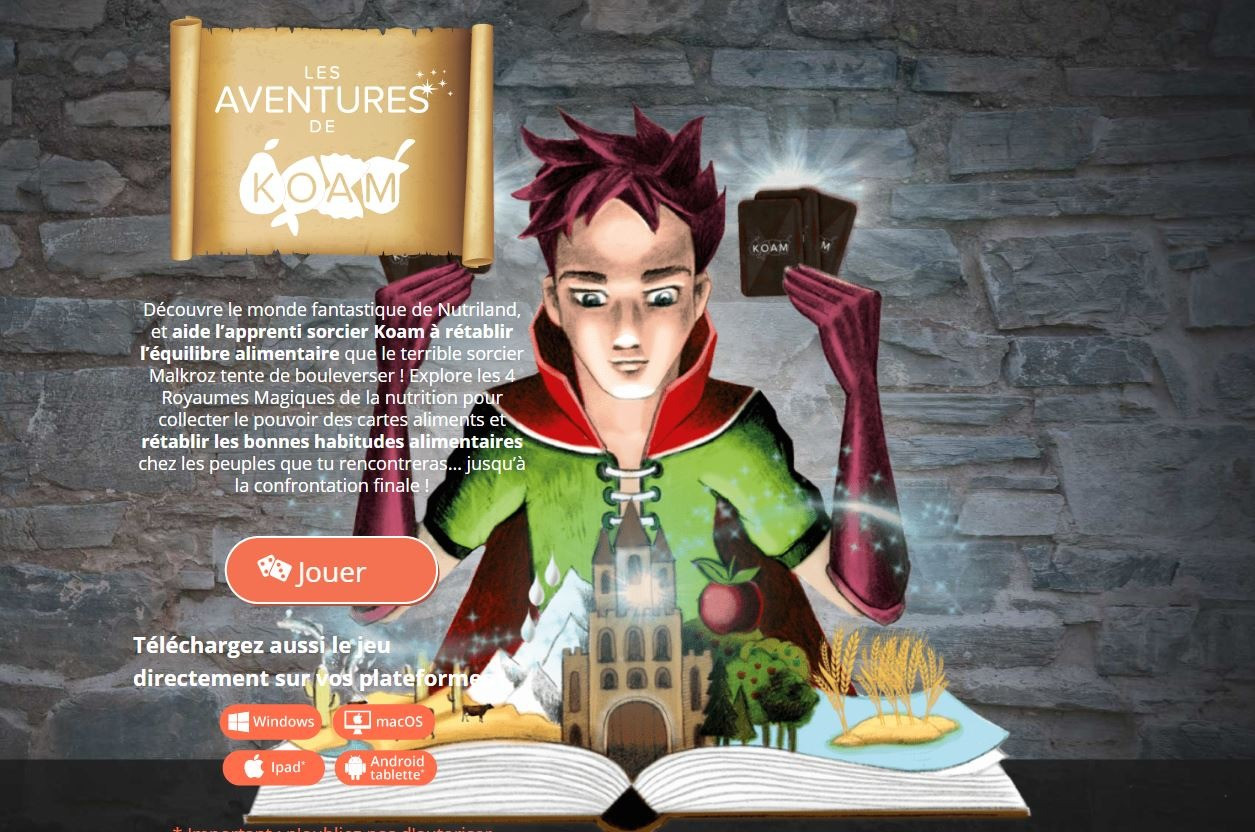
A veritable showcase for public health, Koam was developed by Nutrikeo, a consulting firm specializing in nutritional strategies. Supported by BPI France, the Nouvelle Aquitaine region and Europe, Koam is the result of two years' work by a team of leading specialists in nutrition, childhood, pedagogy, sociology, digital and behavioral theory.
Video games designed for people with disabilities are already a rare resource. An experience that allows multiple players is even rarer. Yet this latest creation from "Ludociels for All" challenges players to light up an entire maze by walking balls of light.
The Englishes MOOC course was developed by an artist and is designed for anyone interested in the (English) language. It explores the history of English, its pronunciation, and its relationship to the art world.
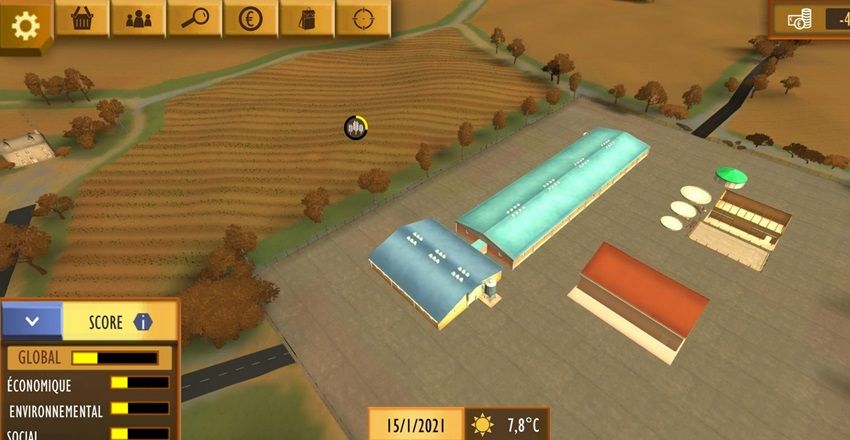
There's nothing simple about being a farmer. You have to plan your activities throughout the year, make sure you have the right machinery, maintain it and so on. All with a view to ecology. A serious French game seeks to teach agroecology.
Measuring attention remains a concern in many settings. Some work tasks are not very error tolerant.
Here are a series of sample tests to measure attention in children and adults.