Follow the evolution of the algorithms
"The tremendous computational power that quantum computing offers requires a rethinking of high performance computing (HPC) algorithms."
Publish at March 26 2025 Updated March 26 2025


Transforming legislative texts into computer programs is essential for applying the law on a large scale, for example when calculating taxes or distributing welfare benefits.
However, this task is complex due to the often ambiguous and contextual nature of legal texts. CATALA has been designed to meet this challenge: a programming language specially developed to transcribe the law in a faithful and comprehensible way, ensuring accurate application of legal rules.
Denis Merigoux is the project manager for software infrastructures in support of public policy at Inria.
"The aim is not to formalize or put into code all the law, as that would make no sense, but we are interested in the law that is already executed automatically, such as the calculation of social benefits, taxes or unemployment",
"We really get lawyers and computer scientists working together, who exchange information live on the code that the computer scientist is writing, in order to make modifications to it in real time. Thanks to this approach, it becomes possible to guarantee that tax and social security rules are applied accurately and faithfully to the law, thus reducing the risk of error and reinforcing the transparency of automated administrative decisions."
Two proofs of concept for government agencies have already been issued:
By replacing the legacy IT systems used to calculate taxes and social security benefits, the language developed will ensure that the administration's algorithms apply the law as interpreted by the administration's legal departments, without distortion or approximation.
For the full article: CATALA translates law into code for a more reliable administration
Illustration: Steve Buissinne - Pixabay
Learn more about this news

Domaine de Voluceau
Rocquencourt - B.P. 105
78153 Le Chesnay
France
Tél.: 33 (0)1 39 63 55 11
You might also like:
Follow the evolution of the algorithms
"The tremendous computational power that quantum computing offers requires a rethinking of high performance computing (HPC) algorithms."
No need to say what you think, I'll know.
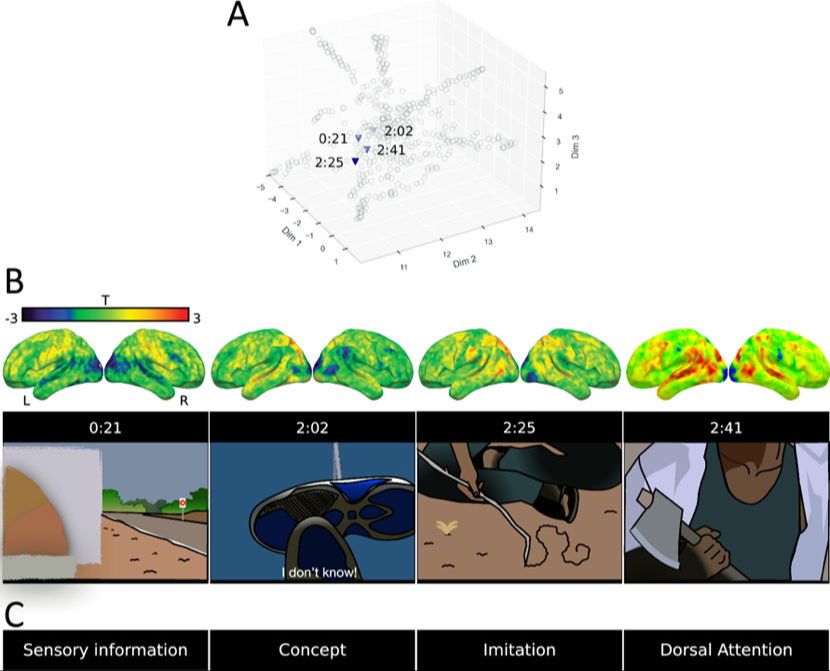
"The realization of this new way of understanding and visualizing cognition offers a major opportunity: that of being able to guess, from an image of the brain, the cerebral activity at play."
Whether in industrial or management applications, detecting anomalies before they turn into disasters is of considerable interest.
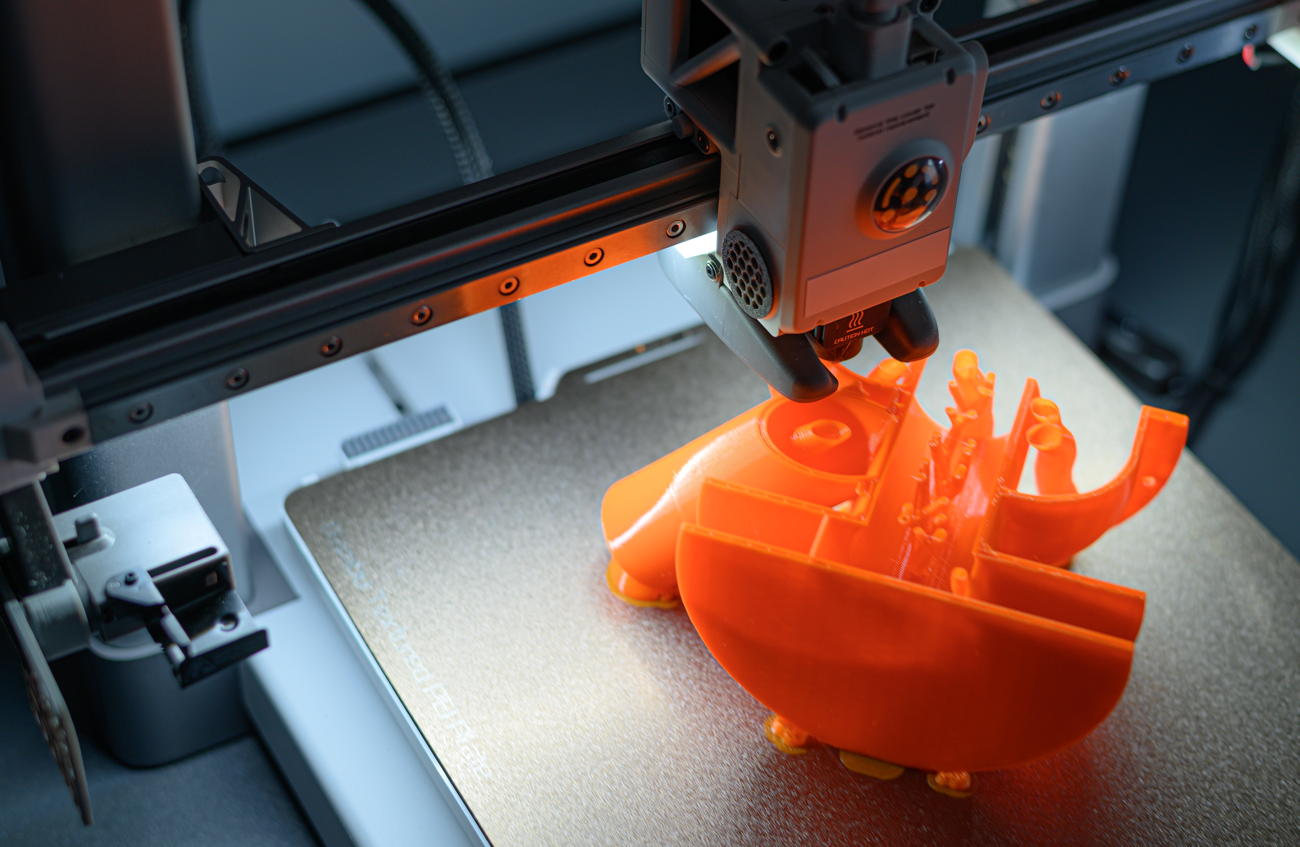
Better 3D Printing - Optimizing Additive Manufacturing
Every material, every nozzle size, every deposition temperature, every nozzle speed and travel path influences the distribution, volume, thickness, and weight of the deposited material...
Tattoos against misinformation
When it comes to exceptional, extraordinary events, it becomes vital for professional photographers or researchers to be able to certify that an event or phenomenon really happened. Discreet technology makes it possible.