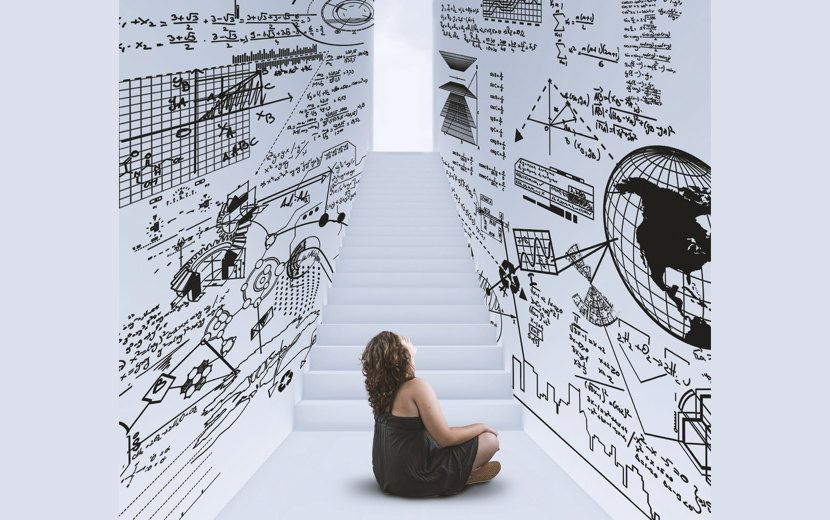
The history of science provides a clear illustration of how to learn in science. Artificial intelligence certainly has the potential to increase our capabilities, but it can't do much without our skills.
Publish at September 09 2025 Updated September 10 2025


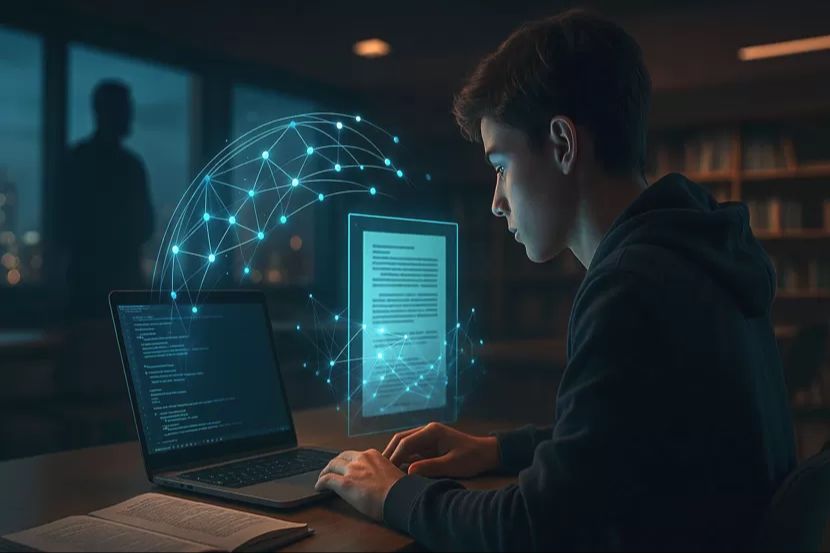
Beyond the fantasy of the "replaced teacher", generative AI is silently transforming students' postures, learning strategies and relationships to knowledge. The mutations are numerous: cognitive delegation, temporal contraction, new prompt engineering, crisis of epistemic authority.
This article is reserved for subscribers to the full edition. You can subscribe Here.
You might also like:
The history of science provides a clear illustration of how to learn in science. Artificial intelligence certainly has the potential to increase our capabilities, but it can't do much without our skills.
Presentation of the Syllabus to Students: Getting the Facts Right
Many teachers consider the syllabus as a static reference document. However, some teachers do not hesitate to modify it as needed, to better correspond to the reality of the field. There is nothing better than discussing it with the students.
Regenerative pedagogy is an educational approach that aims to foster the holistic development of learners while respecting the environment in which they evolve.
What role for the teacher after a natural disaster?
Health and natural disasters follow one another over time. The strength of human beings lies in their ability to rebuild after disasters. To achieve this, everyone must do their part, including teachers. They have an essential role as trusted adults to whom young people can communicate their emotions. They can also use the events to teach them about natural phenomena, among other things.
What the summer atmosphere brings us... more than ideas
Are you ready to really pick up the phone this summer? We hope so! Because every space is educational and the one that summer brings us is particularly so. The reason is none other than the winning formula of combining fun and playfulness, able to consolidate new information in a learning process in record time when otherwise, in another time of the year, they would have required much more.