Publish at September 23 2025Updated September 24 2025
No more limits to the imagination with AI
Almost anything is possible
The arts have always allowed us to push back the frontiers of the human imagination. From early fireside stories to today's cinematic blockbusters, we have constantly sought tools to capture our imaginations. Artificial intelligence seems to be the next tool that will lead to surprising productions.
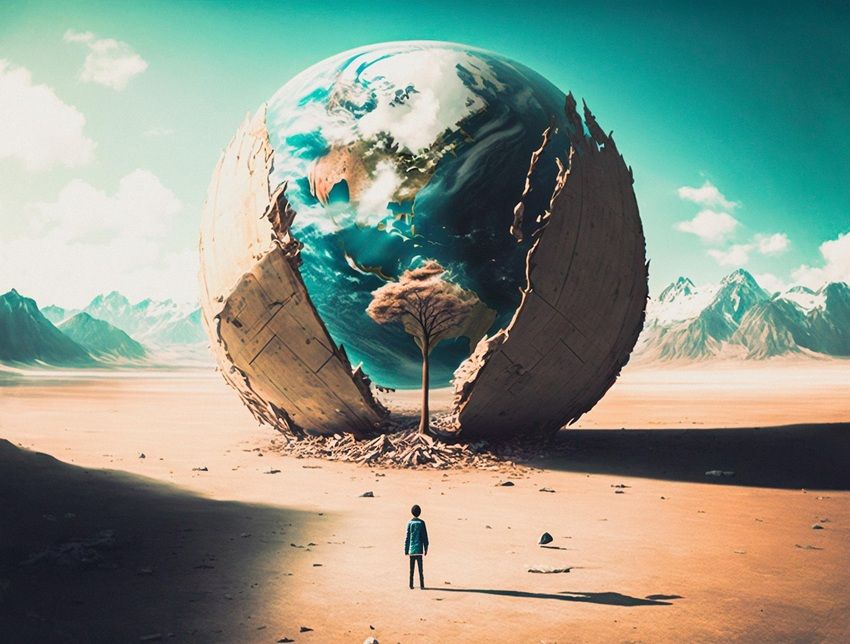
As this ARTE report shows, these days, AI can do (almost) anything. Perform covers of modern songs by deceased artists? That's within reach. Developing false propaganda or uchronistic images, nothing could be easier. Some filmmakers have used Midjourney to make short films depicting children's dreams or reflections. All without the need to move a huge crew, find actors and sets, and so on. Everything can be produced from simple sentences written and proposed to the motors.
This is not neutral, however, as the specialist Kate Crawford, interviewed in the report, points out: AI is merely the continuation of a long process that began with a certain globalization of the world and of communication techniques. Thus, the centralization of ideas by Silicon Valley is the driving force behind today's algorithms, which do not necessarily represent organization as it is in nature.
Video games designed for people with disabilities are already a rare resource. An experience that allows multiple players is even rarer. Yet this latest creation from "Ludociels for All" challenges players to light up an entire maze by walking balls of light.
To a layman, music is just a tune performed by a musician. Yet, if he were to play Meludia, he would learn all the rudiments and terms associated with musical practice.
Many serious games address the topic of sustainable development. Yet before such solutions were proposed, innovative people had to go against the social grain and fight to improve their environment. A humorous adventure game, hosted by the National Film Board, teaches children the attitudes they need to adopt to make a difference.
The Englishes MOOC course was developed by an artist and is designed for anyone interested in the (English) language. It explores the history of English, its pronunciation, and its relationship to the art world.