"Once upon a time... DNA" - The basics of classical and molecular genetics
Publish at November 12 2025 Updated November 12 2025


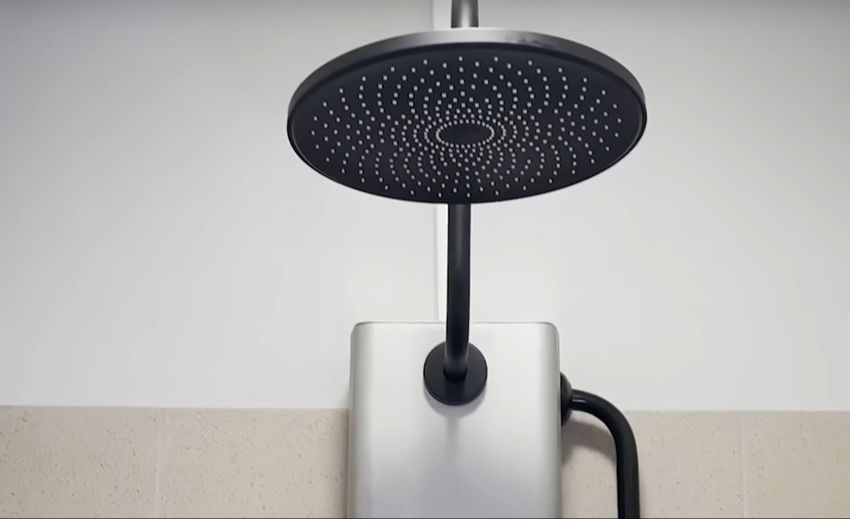
If there's one everyday gesture that can consume water and energy, it's the shower. It's great for hygiene, of course, but many consumers stay in the shower far too long, enjoying the hot water without realizing the effects and the high consumption (between 60 and 80 liters of water). Two young engineers wondered whether it was possible to produce a shower that would use almost no drinking water.
What they came up with was a cyclic shower - a device that allows people to shower without wasting water. Initially, to wash, it acts normally by sending dirty cleaning water down the drain. Then, if the idea arises of staying in to enjoy the warmth or engage in a little private aquatic concert, users activate the second mode, which requires just 5 liters of water, which comes back constantly and for as long as required, without the need for the aqueduct system. The concept features filters and a device to keep the water hot with 70% less energy and water. In this way, people are not harmed in their use without over-consuming this important resource.
For the time being, this start-up's business is quietly getting off the ground in French households. The price is rather steep: 3,000 euros for a shower. The young promoters justify this with 100% French production and, above all, see it as an investment in saving water bills over the next few years. They also hope that subsidy programs for individuals will appear so that people can invest in this type of project.
Running time: 7min36
Learn more about this resource
You might also like:
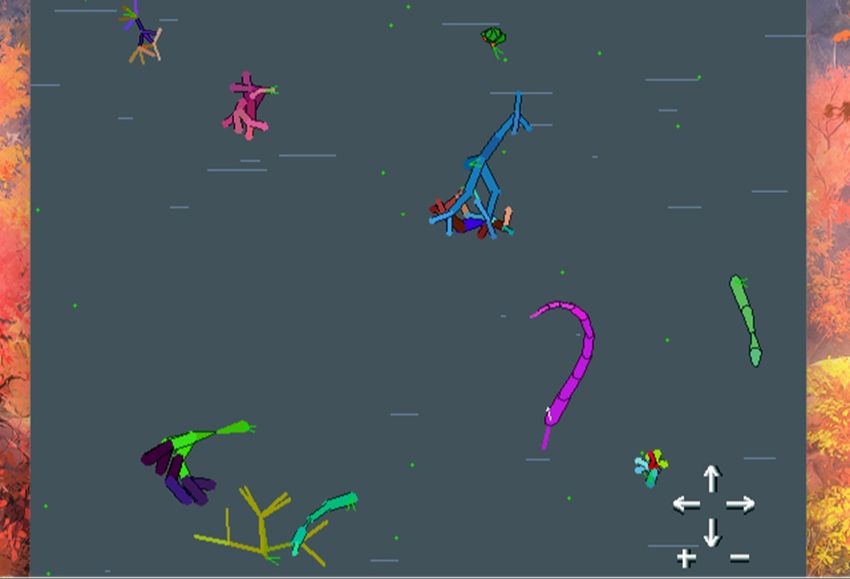
A virtual aquarium to understand Darwinian evolution
Is it possible to understand evolution through simulation? It would seem so. A very interesting resource for high school science classes.
Tests of vigilance and attention
Measuring attention remains a concern in many settings. Some work tasks are not very error tolerant. Here are a series of sample tests to measure attention in children and adults.
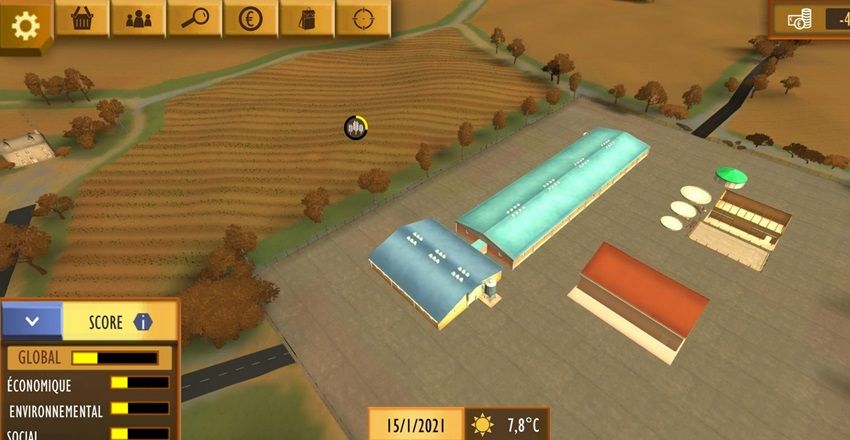
Reflecting on agroecology through play
There's nothing simple about being a farmer. You have to plan your activities throughout the year, make sure you have the right machinery, maintain it and so on. All with a view to ecology. A serious French game seeks to teach agroecology.
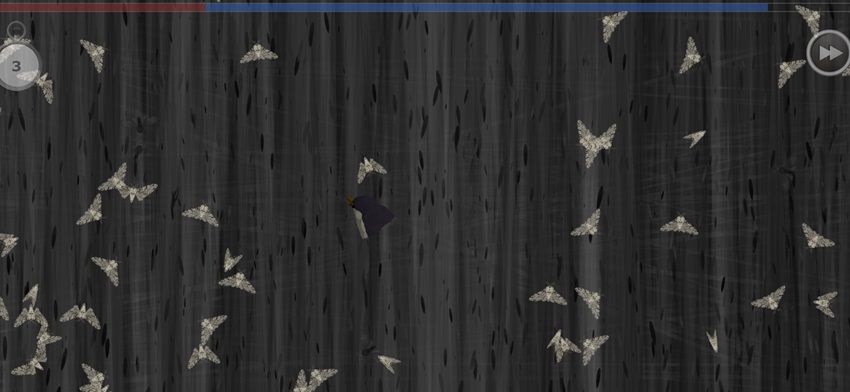
"Phalenes! understanding natural selection through play
A serious game designed to demonstrate natural selection and its effects on a moth population.