Learn the mechanisms of misinformation with Bad News
Understand the strategies of online disinformation through an interactive experience that puts you in the shoes of a fake news propagator.
Publish at December 03 2025 Updated December 03 2025


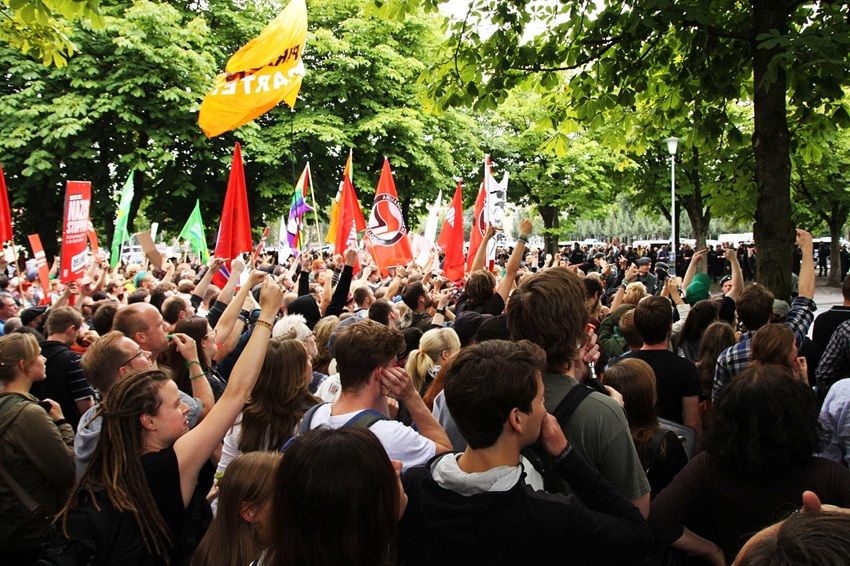
We've long heard the idea that younger generations have become apathetic, depoliticized and unwearing. It would seem that this is changing around the world. Indeed, since 2024, Generation Z - young people aged between 13 and 26 - has been mobilizing around the world. It all started in Asia, with growing protests in Indonesia, the Philippines and Nepal. Next came Sri Lanka, Kenya and Madagascar. In 2025, Morocco and Peru joined the dance.
Generation Z is one that hasn't known the world without the Internet. If in 2011, the Arab Spring gained a breath of fresh air with Facebook and Twitter, this generation is making more use of horizontal tools that are difficult for the authorities to regulate, such as Telegram and Discord. What are these young people demanding? An end to political corruption, socio-economic inequality and environmental neglect. It's a vast program, with no charismatic leader. The whole thing is intended to be democratic, with voting and discussion taking place online.
The only thing they have in common is the use of the skull and crossbones symbol from the manga and anime "One Piece", in which a young pirate, Luffy, liberates peoples from tyrants in the course of his wanderings. Everything else is adapted to local demands.
Unfortunately, so far, the response has been violent. Each wave of protest has led to a few deaths and hundreds of arrests. Nevertheless, the movement has forced some countries, such as Nepal and Madagascar, to change their governments to accommodate this vocal generation. But if the new leaders really listen to the demands, this generation could continue to show its anger.
Running time: 10min46
Learn more about this resource
You might also like:
Learn the mechanisms of misinformation with Bad News
Understand the strategies of online disinformation through an interactive experience that puts you in the shoes of a fake news propagator.
A serious game on social engagement
Many serious games address the topic of sustainable development. Yet before such solutions were proposed, innovative people had to go against the social grain and fight to improve their environment. A humorous adventure game, hosted by the National Film Board, teaches children the attitudes they need to adopt to make a difference.
A virtual aquarium to understand Darwinian evolution
Is it possible to understand evolution through simulation? It would seem so. A very interesting resource for high school science classes.