The Englishes MOOC course was developed by an artist and is designed for anyone interested in the (English) language. It explores the history of English, its pronunciation, and its relationship to the art world.
Publish at December 03 2025 Updated December 03 2025


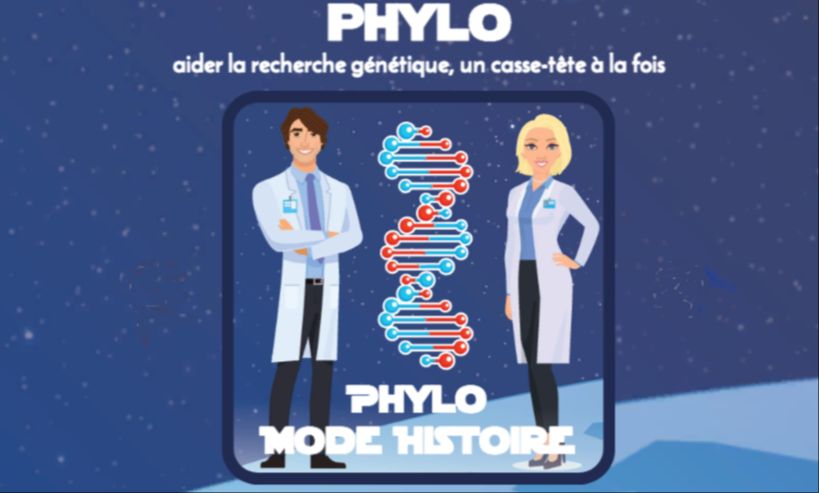
Glioblastoma is a highly aggressive brain cancer. It generally leaves little chance of survival for those in whom it develops. While operations are possible, the disease must be caught early. Fortunately, scientists have made a breakthrough in research that could make it possible to combat this type of tumor even more effectively.
They have developed genetically modified CAR-T cells. These cells are already found in our immune system to fight viruses circulating in the blood, among other things. However, they had less of a reflex to attack glioblastoma-forming proteins. Researchers have therefore created a new compound which targets Tenascin-C in the tumour environment, destroying these cells.
Initial tests on animals have been successful. The next step will be on human cases, ideally around 2027, according to the experts. The idea will also be to create CAR-Ts capable of identifying different aspects of each tumor, as these have unique properties. It would be possible, for example, during brain surgery, to collect samples in order to additionally create a treatment of CAR-Ts injected into the brain environment so that they attack the potential remnants of the tumor.
Duration: 10min51
Image: Gerd Altmann from Pixabay
You might also like:
The Englishes MOOC course was developed by an artist and is designed for anyone interested in the (English) language. It explores the history of English, its pronunciation, and its relationship to the art world.
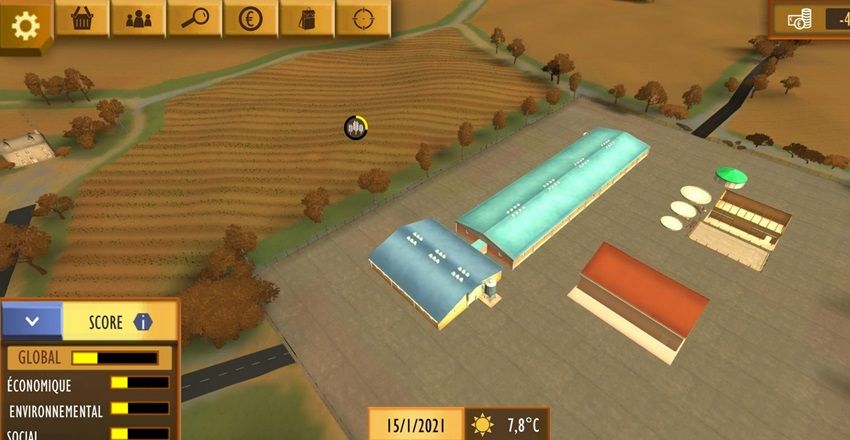
Reflecting on agroecology through play
There's nothing simple about being a farmer. You have to plan your activities throughout the year, make sure you have the right machinery, maintain it and so on. All with a view to ecology. A serious French game seeks to teach agroecology.
Learn the mechanisms of misinformation with Bad News
Understand the strategies of online disinformation through an interactive experience that puts you in the shoes of a fake news propagator.