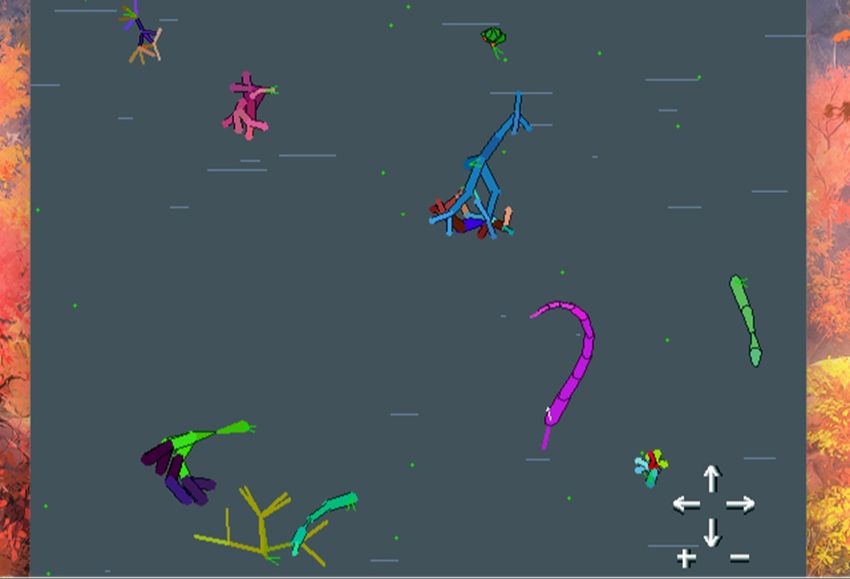
A virtual aquarium to understand Darwinian evolution
Is it possible to understand evolution through simulation? It would seem so. A very interesting resource for high school science classes.
Publish at January 07 2026 Updated January 07 2026


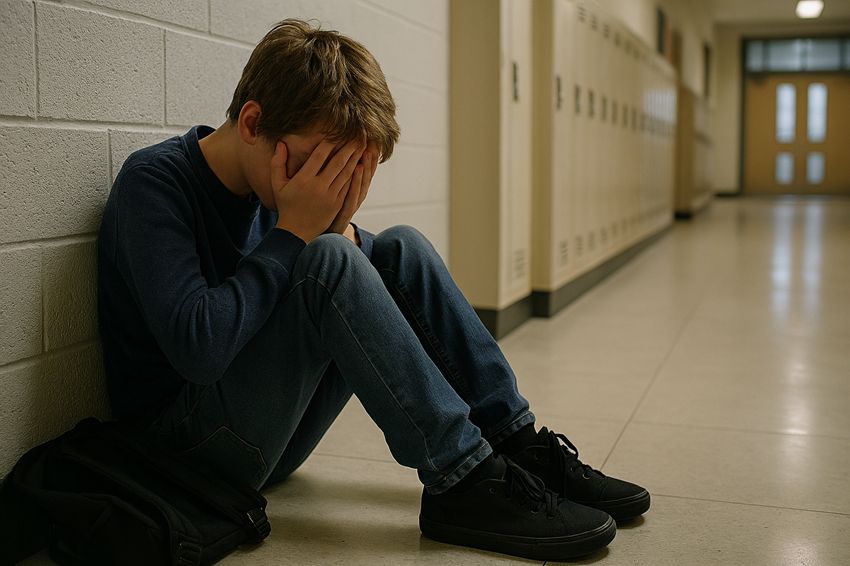
Many students get up in the morning and say they don't want to go to school. For many parents, it's best to ignore this morning whining and get their children off to class. However, what may appear to be caprice or laziness can also conceal something else when it becomes a regular occurrence.
According to figures from the French Ministry of Education, 5% of young French people suffer from school phobia. These statistics should be taken with a grain of salt, as the French government has not yet carried out any real studies in this area. The figures could turn out to be much higher.
Indeed, this nagging fear sometimes leads to both boys and girls dropping out of school, unable to flourish within the walls of their classrooms. All they feel is a huge lump in their stomach and a sense of unease that won't go away. Factors such as bullying, depression and everything to do with neuroatypia (dys, attention deficit and hyperactivity disorders, high intellectual potential, etc.) can make matters worse.
So, how do you cope? Of course, psychological and social help is essential in such cases. However, many would like to see schools that are more accommodating to these students, with more flexible timetables, purpose-designed accommodations, and so on. In Nantes, an establishment has been set up to help these different students flourish, but it comes with a rather high price tag, leaving many families out in the cold.
Running time: 7 minutes
Image of a "school phobic" student created by IA (Copilot)
Learn more about this resource
You might also like:
A virtual aquarium to understand Darwinian evolution
Is it possible to understand evolution through simulation? It would seem so. A very interesting resource for high school science classes.
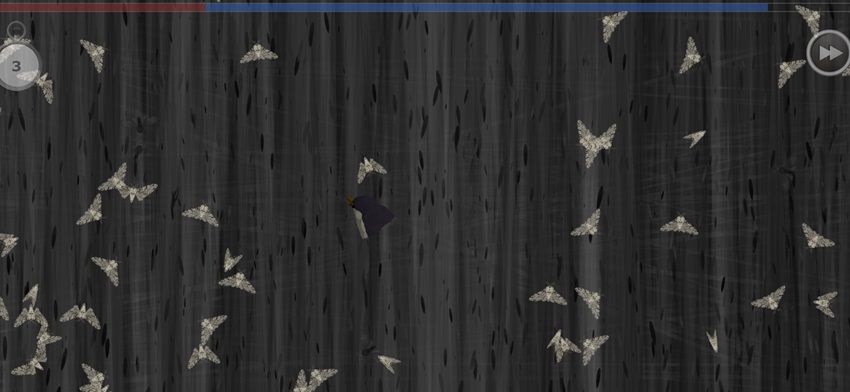
"Phalenes! understanding natural selection through play
A serious game designed to demonstrate natural selection and its effects on a moth population.
The sharing economy has led to small changes in various economic sectors such as transportation, housing, etc. This approach has changed the relationship of citizens for different services, now cheaper and offered by their fellow citizens. However, who actually benefits from this new economy? The people or the companies in question? A U.S. newsgame shows how the life of Uber drivers isn't as lucrative as one might think.
The Englishes MOOC course was developed by an artist and is designed for anyone interested in the (English) language. It explores the history of English, its pronunciation, and its relationship to the art world.
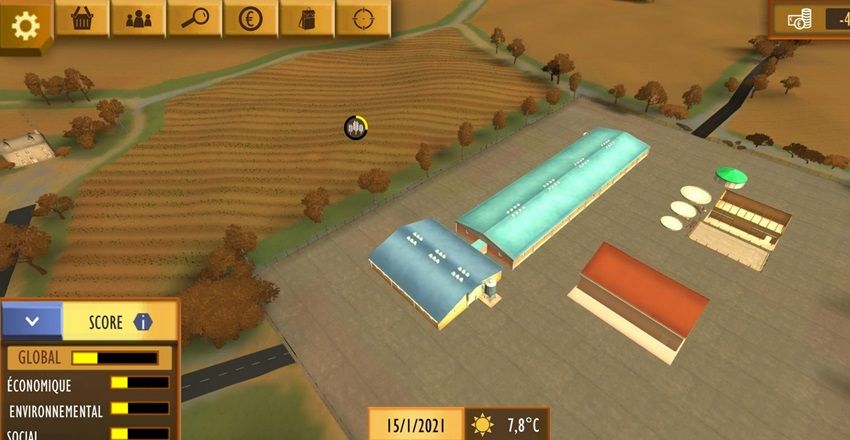
Reflecting on agroecology through play
There's nothing simple about being a farmer. You have to plan your activities throughout the year, make sure you have the right machinery, maintain it and so on. All with a view to ecology. A serious French game seeks to teach agroecology.