Are we the only ones to create physical places to honour our deceased?
For a long time, it was said that only humans had an awareness of death and had devised rites surrounding the end of a life. As far back as 100,000 years ago, traces of burial were already present in certain corners of the world, when people were nomadic. It was with the advent of sedentary life that mankind developed the idea of necropolises and monuments to commemorate the dead, of which dolmens are the earliest examples.
However, animal research is now showing that some animals do have a concept of death. Chimpanzees, for example, will react with fear or flight to the corpse of a fellow chimpanzee who has died of disease or old age, and mothers will sometimes carry their deceased babies around with them for days on end.
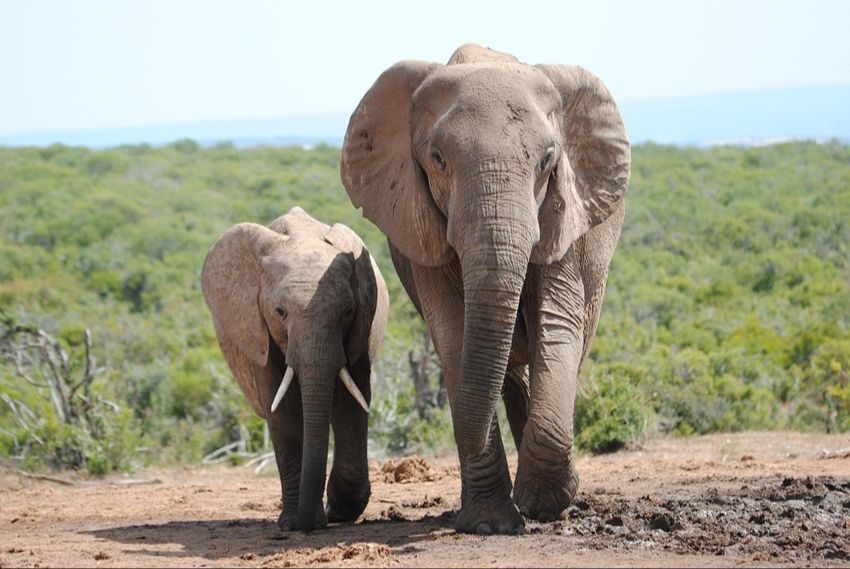
Elephants in particular seem to have a sense of death. They will tend to cover their loved ones with branches and leaves, and five baby elephants have even been found, in Indian tea plantations, buried on their backs with their legs pointing skywards. Almost like a funeral ritual still unexplained by specialists in animal behavior.
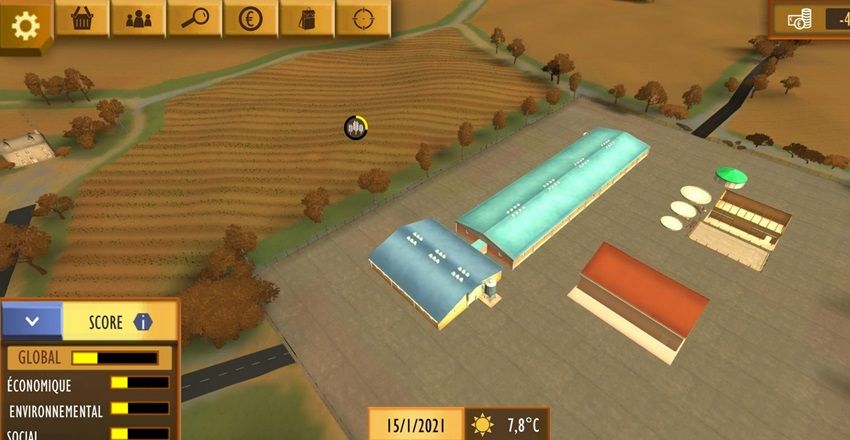
There's nothing simple about being a farmer. You have to plan your activities throughout the year, make sure you have the right machinery, maintain it and so on. All with a view to ecology. A serious French game seeks to teach agroecology.
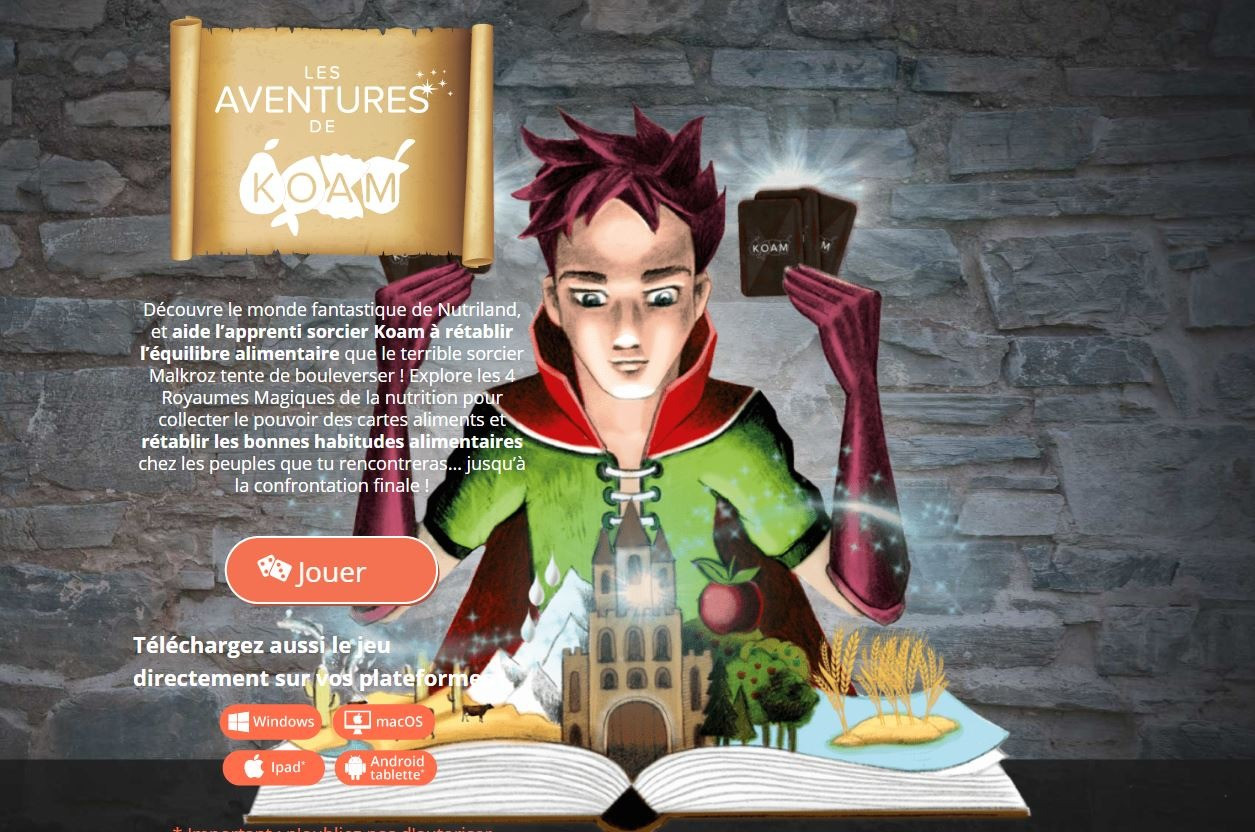
A veritable showcase for public health, Koam was developed by Nutrikeo, a consulting firm specializing in nutritional strategies. Supported by BPI France, the Nouvelle Aquitaine region and Europe, Koam is the result of two years' work by a team of leading specialists in nutrition, childhood, pedagogy, sociology, digital and behavioral theory.
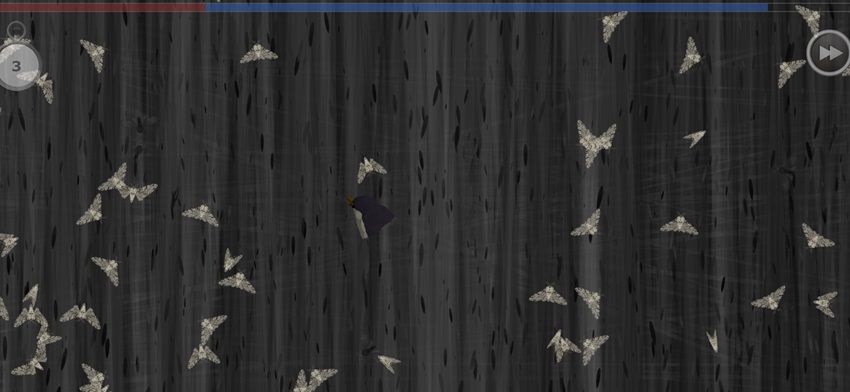
An original approach to depression. The game's metaphor is well conceived, a little dark and informative about a problem that affects millions of people.
Many serious games address the topic of sustainable development. Yet before such solutions were proposed, innovative people had to go against the social grain and fight to improve their environment. A humorous adventure game, hosted by the National Film Board, teaches children the attitudes they need to adopt to make a difference.