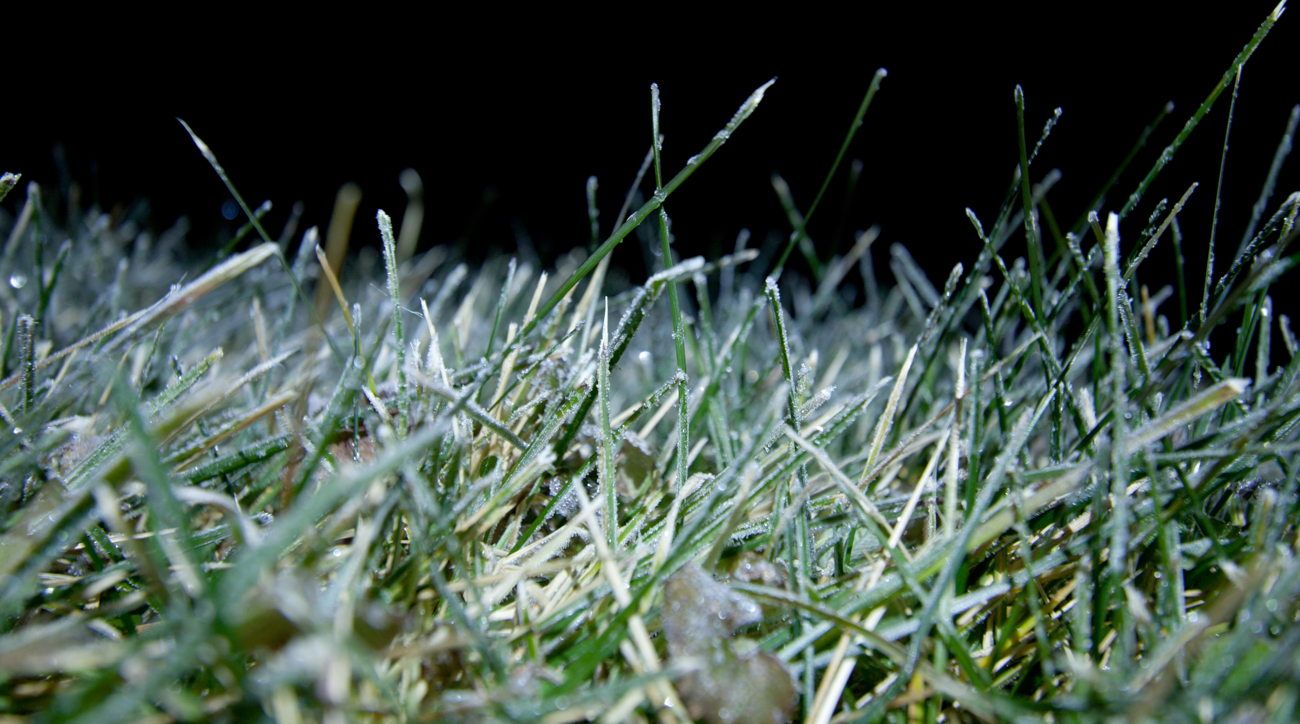
Winter is not many people's favorite season. It's associated with gaunt trees, animal migrations or hibernation, snow drifts and cold. This cold is responsible for all the above, giving it a reputation as a season of desolation. While it's true that winter in the northern hemisphere is harsh, it's nonetheless essential for the vitality of ecosystems.
Indispensable cold
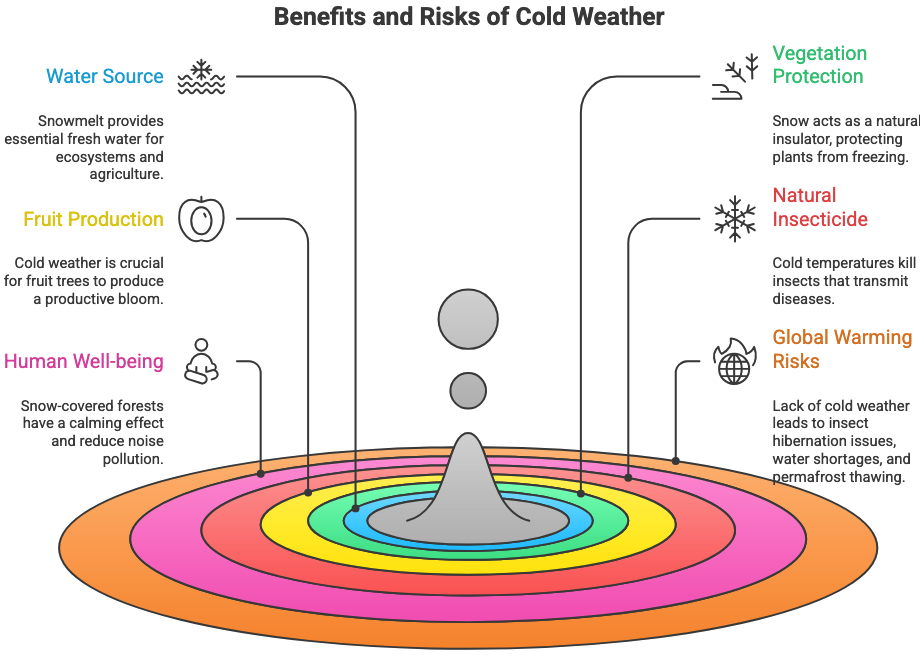
In fact, cold and snow are major elements for all ecosystem flora and fauna. Snow is already a major source of fresh water. When it melts, it feeds numerous watercourses vital to living species and human activities (agriculture). What's more, this "white blanket of snow" acts as a protective layer for vegetation. It acts as a natural insulator for the soil, which remains around the freezing point, even in freezing temperatures.
In fact, cold is necessary for fruit trees. Apple and apricot trees ideally need at least 1,000 hours under 7.2 degrees to flower productively. Without cold temperatures, virtually no fruit will be produced.
This harsh climate is also a good natural insecticide, killing aphids, midges and mosquitoes that often transmit diseases to animals and humans. Studies have also shown a calming effect on humans: being in a snow-covered forest reduces negative emotions. What's more, it is able to isolate sound, reducing auditory pollution.
Global warming puts everything at risk
So, the inconveniences experienced pale in comparison to all the benefits of cold and snow. In fact, it's the lack of them that's problematic, as is becoming increasingly apparent with global warming.
Certain insects, such as ladybugs, come out of hibernation with the heat and find themselves without food in winter. They die off, leaving harmful aphids to proliferate in the wild. We also know that certain animals are more susceptible to winterkill than others. Less snow cover leads to a significant drop in the watercourses used by farmers, who sometimes find themselves in short supply at the end of summer, because rainwater evaporates faster than snowmelt water, which is quietly added.
And then there's the thawing of the permafrost, which releases even more carbon and methane into the air, potentially releasing ancient animal corpses and potential viruses.
That's why the scientific community and ecologists are doing their utmost to remind us that action must be taken to safeguard the cold on our planet.
References
"Winter is not here by chance": despite its icy air, the cold is essential for nature - https://www.radiofrance.fr/franceinfo/podcasts/le-billet-sciences/froid-utile-4223128
The benefits of winter - https://m.espacepourlavie.ca/blogue/les-benefices-de-l-hiver
Winter: a real whiteboard for teachers - https://cursus.edu/fr/32587/lhiver-un-veritable-tableau-blanc-pour-les-enseignants
Beyond skiing, the lack of snow also upsets the environment - https://ici.radio-canada.ca/nouvelle/2050080/neige-environnement-climat-eau
What role does snow play for nature? - https://www.linfodurable.fr/climat/quel-role-joue-la-neige-pour-la-nature-43206
The unsuspected benefits of snow - https://impactcampus.ca/sciences-et-technologies/les-bienfaits-insoupconnes-de-la-neige/
Life under pressure - https://lejournal.cnrs.fr/dossiers/le-vivant-sous-pression
Vegetable gardening in winter: how to prepare the soil and what to harvest - https://cursus.edu/fr/32589/le-potager-en-hiver-comment-preparer-le-sol-et-que-peut-on-recolter
Learn more about this
news