Graduates and initiates, experts and prizewinners, pros and enlightened amateurs...
Between the learner's desire to learn and his need to see his learning recognized, certification can take many forms.
Publish at February 16 2026 Updated February 18 2026


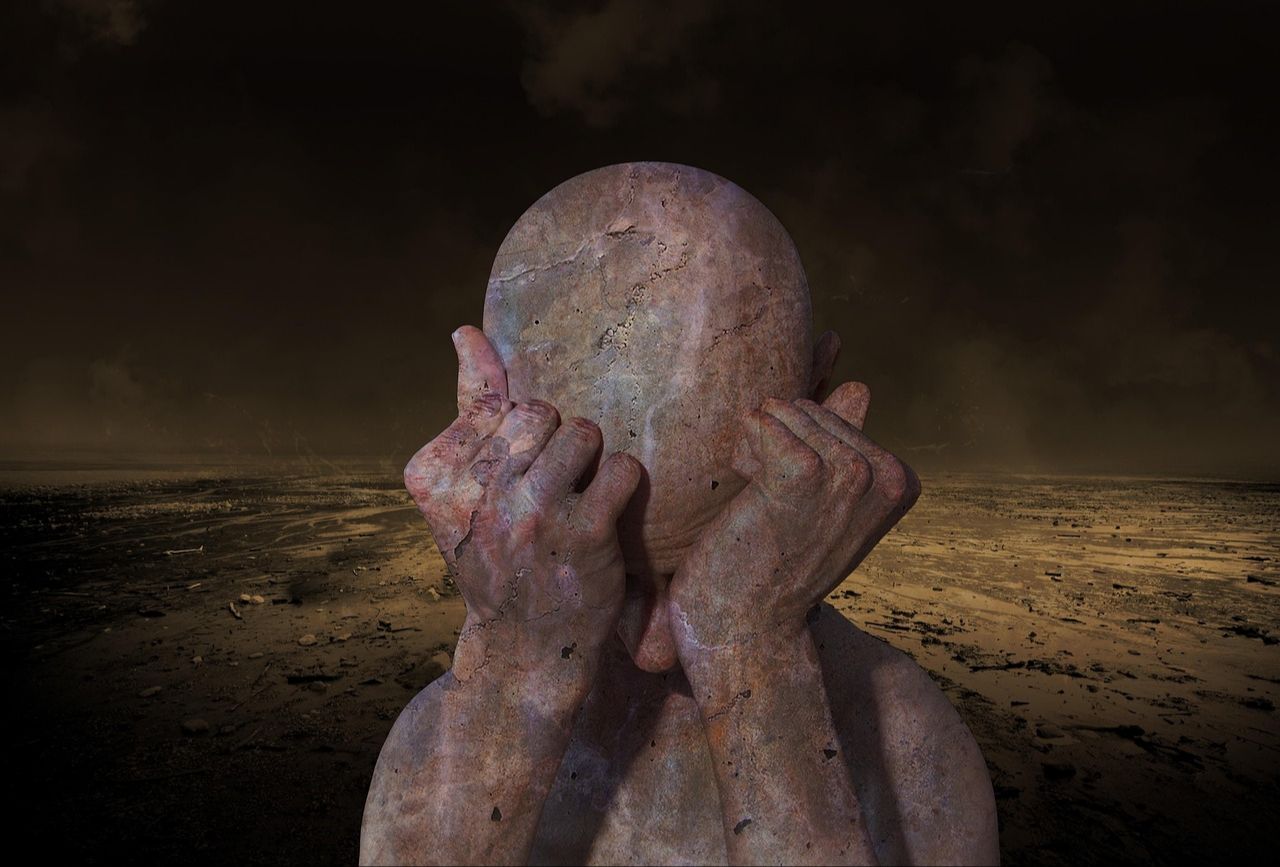
What is madness? This rather pejorative term is very difficult to define. Even today's psychiatrists feel uncomfortable trying to put a definition on the subject. Because the world has evolved, and what was once classified as "mad" has become far more nuanced in our time.
Autistic people were once categorized as such, until scientific research came up with clearer explanations. Indeed, the whole notion of neurodiversity, which emerged in the 1990s, has put many disorders that were once classified solely as madness into perspective.
In fact, psychiatrists are increasingly interested in the question of suffering. How can we ensure that individuals do not suffer from recurrent behaviors that deviate from the norm? Especially as, in some cases, people don't feel any harm at the time. If they're in a manic phase, everything's fine. It's afterwards that the repercussions of their actions resurface and create pain.
A hypothesis is often put forward, and is gaining increasing credibility: what if people with mental health problems simply feel more strongly what others feel from time to time?
We know, for example, that 6-8% of the population have symptoms and thoughts approaching psychosis without ipso facto being psychotic. What's more, this departure from the norm has enabled many creative people to create works of art, books, films and so on that have an aura of genius with the general public.
Ultimately, the question we should be asking ourselves is rather "what is normality and shouldn't we stop judging those who deviate from it so harshly from time to time?"
Running time: 28min20
Image: Wolfgang Eckert from Pixabay
You might also like:
Graduates and initiates, experts and prizewinners, pros and enlightened amateurs...
Between the learner's desire to learn and his need to see his learning recognized, certification can take many forms.
The voice, an essential tool for the teacher
It is easy to forget, but the teacher's voice is probably the most essential instrument of his practice. All it takes is for it to go off the rails and he loses control of his classroom. So it's essential that teachers learn to use and protect their most important communication tool.
There's a kind of exhilaration in doing something for the first time, something that's never been done before, and contributing to the upliftment of everyone; it's this promise of success and pride that makes boldness appealing, including in education. The best principles of audacity 101.
The influence of location on the desire to learn
When societal transformations lead us to rethink places to learn. How can we transform a space so that it is conducive to learning, so that it gives a place to everyone? What makes a place contribute to our growth and learning together?
What role for the teacher after a natural disaster?
Health and natural disasters follow one another over time. The strength of human beings lies in their ability to rebuild after disasters. To achieve this, everyone must do their part, including teachers. They have an essential role as trusted adults to whom young people can communicate their emotions. They can also use the events to teach them about natural phenomena, among other things.