![]()
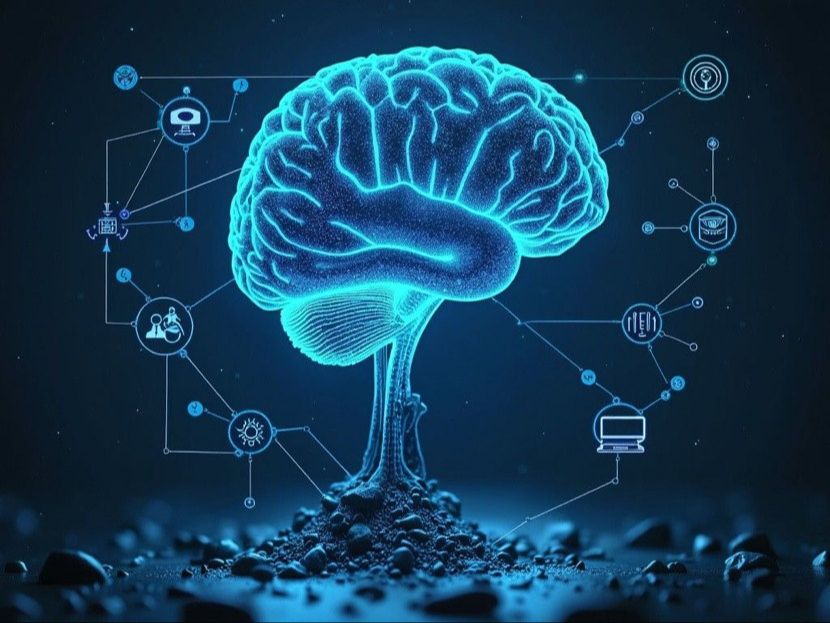
Is the digital age the golden age or the dark age of knowledge?
The unlimited access to knowledge made possible by digital technology is an incredible opportunity, but also a challenge. Faced with a deluge of information, how can we avoid a cognitive overdose and stay on course for a patient, enlightened construction of knowledge? This article explores the challenges of the new relationship with knowledge in the digital age.
![]()
AI and training for the healthcare professions: between assistance and responsibility
The integration of AI into healthcare training is transforming the conditions of clinical reasoning. While these tools offer real analytical power, they also expose users to the risk of cognitive delegation to an “algorithmic authority.” The educational challenge is to train professionals capable of using AI as critical support, while retaining control of their judgment and full responsibility for their decisions.
![]()
Oral therapy
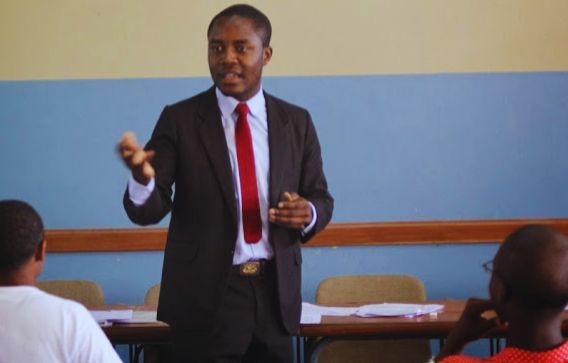
Public speaking games, such as storytelling, slamming, individual public speaking or debate, bring happiness to those who practice them on several levels. Not only do they give you pleasure, but they can also relieve or prevent certain health problems such as stuttering and Alzheimer's. Hence the term oralth therapy.
![]()
AI and pedagogical creativity: who takes the initiative?
In the age of artificial intelligence, educational creativity is no longer about producing something new, but about giving new meaning to the act of learning. Faced with machines capable of generating everything, the challenge for education is to preserve human initiative: to teach discernment, slowness, responsibility and the freedom to think differently.
![]()
Exercising one's attention, a challenge in pedagogy
Our attention flits, opens, focuses, fixes, scatters. It is also coveted and easily distracted, unless we direct it. Wise advice on how to better control it.