![]()
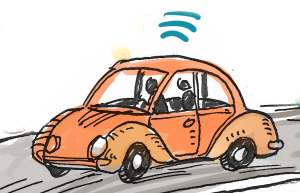
When cities learn from their residents
Living in a city means gradually making it your own, knowing shortcuts, transport arrangements, timetables, rules of behavior, and precautions to limit the risks of aggression. But what if this knowledge gradually becomes obsolete? Indeed, thanks to Big Data and artificial intelligence, cities are "learning" and adapting to the habits of their inhabitants...
![]()
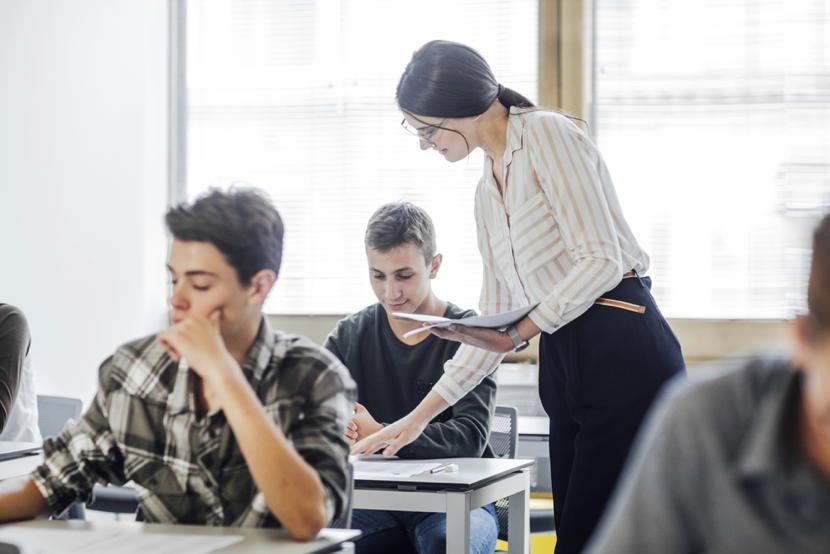
Consistency and feedback: two winning elements for quality assessment
Assessment is a thankless task, and its significance in terms of learning progression is often underestimated. Here are a few suggestions from a university educational consultant on how to move from basic summative assessment, which is sometimes akin to Russian roulette, to formative assessment, which motivates students.
![]()
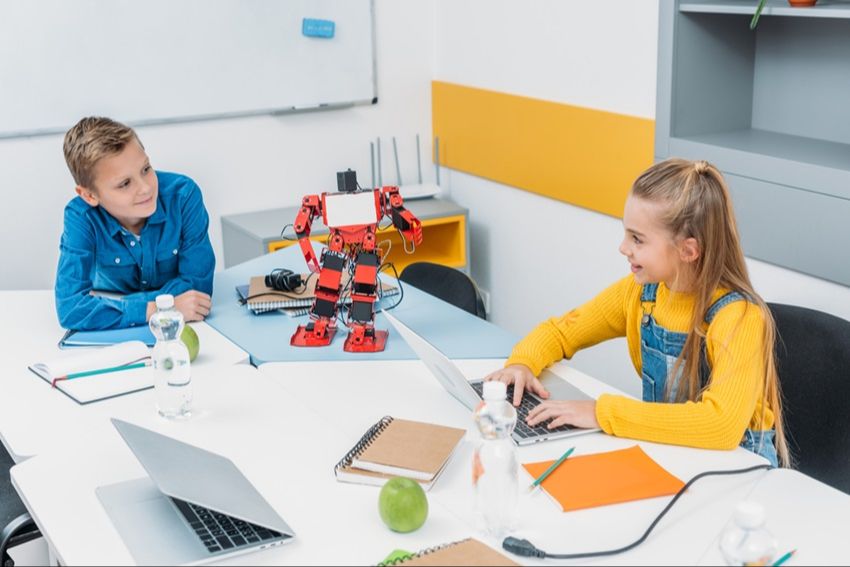
Bringing the robot into the classroom
Robots in the classroom. It's a rare occurrence, but a reality. More and more teachers are using robotics, and are invited to do so.
![]()
Confidence in ourselves
Our self-confidence is much more than the sum of our self-confidence. It's an increase in our collective power to act, induced and demonstrated by collective action.
![]()
Chances of survival
A good way to avoid worrying too much about the future is to take it day by day; that way our probability of seeing the next day always remains high. But the media love to show us something to worry about, even tomorrow. The best way not to worry about tomorrow, or even about the future, is to take care of it, and that starts at school.