Publish at December 13 2022Updated December 13 2022
The ocean, a common good of humanity
How to carry this idea to better protect the seas with Catherine Chabaud
Not everyone is lucky enough to live near the ocean. Thus, it can be easy to forget how this major ecosystem is both rich for humanity and abused by it. We can think of course about food with fishing but the whole issue of biodiversity is of immense importance for the future. Not to mention that these vast expanses of water help in the global production of oxygen.
Catherine Chabaud has, since her youth in Brittany, seen the riches of the sea both above and below. This two-time Vendée Globe sailor has long understood the need to regenerate the oceans. Since 2002, she has been trying to figure out what to do to help lower the carbon dioxide levels that are warming and acidifying some oceanic corners.
She also wants companies to stop putting certain garbage into the waters. To make this happen, an idea has emerged over time: what if the seas fell into the category of humanity's common good? With this designation, it would be much more difficult for nations to ignore them and adopt legislation to protect them. It seems that in just a few years, this fight is helping to further push countries like France to think about their relationship to the ocean.
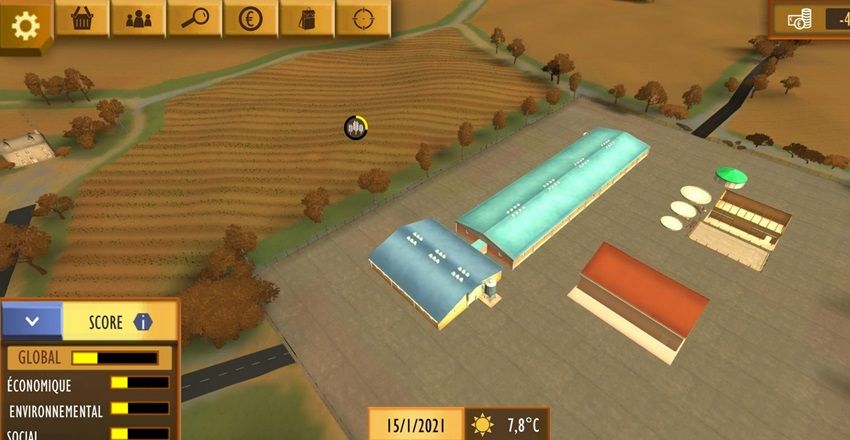
There's nothing simple about being a farmer. You have to plan your activities throughout the year, make sure you have the right machinery, maintain it and so on. All with a view to ecology. A serious French game seeks to teach agroecology.
Video games designed for people with disabilities are already a rare resource. An experience that allows multiple players is even rarer. Yet this latest creation from "Ludociels for All" challenges players to light up an entire maze by walking balls of light.
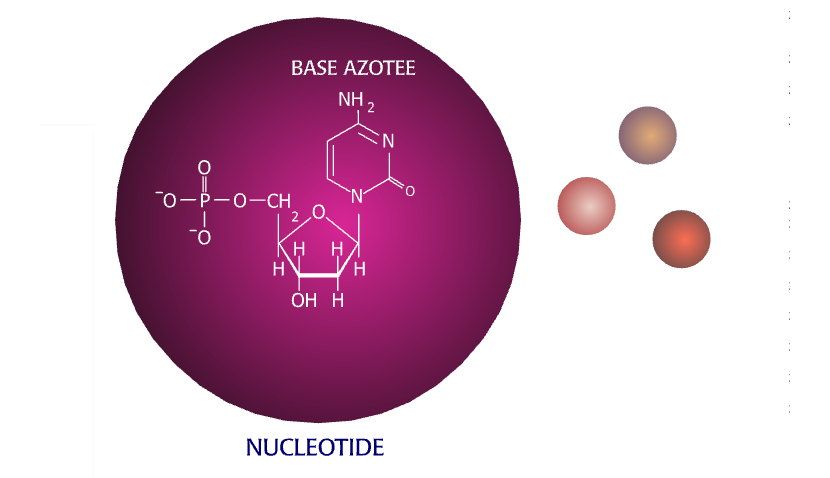
How do you talk to children about genetics and heredity? A British museum has come up with the method: design a game in which you create a line of adorable creatures with precise objectives. The game is fun, colorful and easy to learn. Even adults will succumb to the charms of the bugs and their large families.
The sharing economy has led to small changes in various economic sectors such as transportation, housing, etc. This approach has changed the relationship of citizens for different services, now cheaper and offered by their fellow citizens. However, who actually benefits from this new economy? The people or the companies in question? A U.S. newsgame shows how the life of Uber drivers isn't as lucrative as one might think.