The issue of digital and ecology is a major one. Indeed, they are intimately linked. Our consumption of the Internet and computers has a significant energy and environmental cost. Especially since digital is not a renewable resource. As Frédéric Bordage, founder of the collective on digital sobriety GreenIT, reminds us, in 30 to 60 years, we may well - if we continue at this rate - find ourselves without rare metals for computing devices but also other technologies in health, transport, etc.
In addition to current consumption, there is also an interest in metaverses and virtual reality. A vision of the future that, if realized, will require even more mining resources and cause an increase in demand for electrical energy. So, does the answer lie in a return to a world without these technologies?
Not necessarily, according to Mr. Bordage, but a "low tech" approach. As soon as a "low tech" solution is applicable, it must be implemented. What's more, legislation on the lifespan of virtual reality headsets and their reuse could, among other things, help reduce the ecological footprint of the metaverse in part.
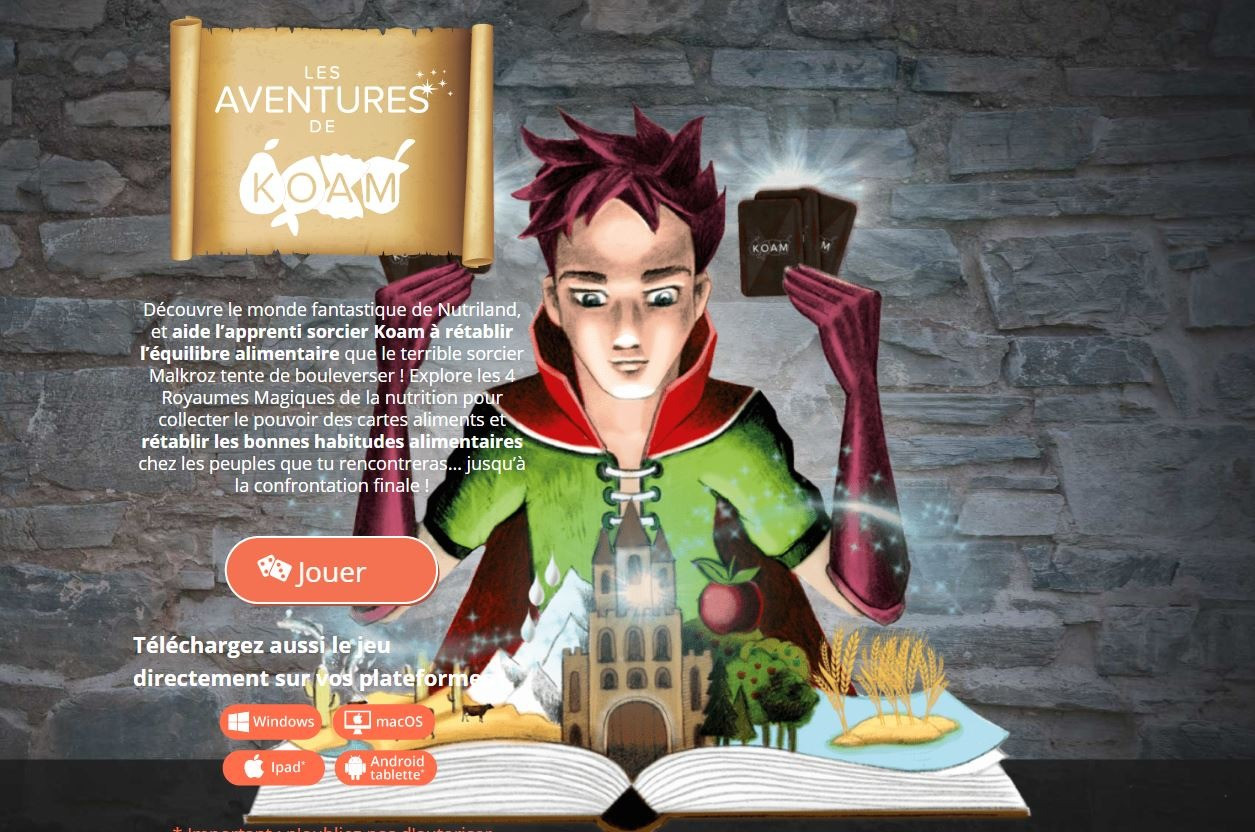
A veritable showcase for public health, Koam was developed by Nutrikeo, a consulting firm specializing in nutritional strategies. Supported by BPI France, the Nouvelle Aquitaine region and Europe, Koam is the result of two years' work by a team of leading specialists in nutrition, childhood, pedagogy, sociology, digital and behavioral theory.
How do you talk to children about genetics and heredity? A British museum has come up with the method: design a game in which you create a line of adorable creatures with precise objectives. The game is fun, colorful and easy to learn. Even adults will succumb to the charms of the bugs and their large families.
The Englishes MOOC course was developed by an artist and is designed for anyone interested in the (English) language. It explores the history of English, its pronunciation, and its relationship to the art world.
An original approach to depression. The game's metaphor is well conceived, a little dark and informative about a problem that affects millions of people.
Many serious games address the topic of sustainable development. Yet before such solutions were proposed, innovative people had to go against the social grain and fight to improve their environment. A humorous adventure game, hosted by the National Film Board, teaches children the attitudes they need to adopt to make a difference.