![]()
Shaking up the codes of school architecture
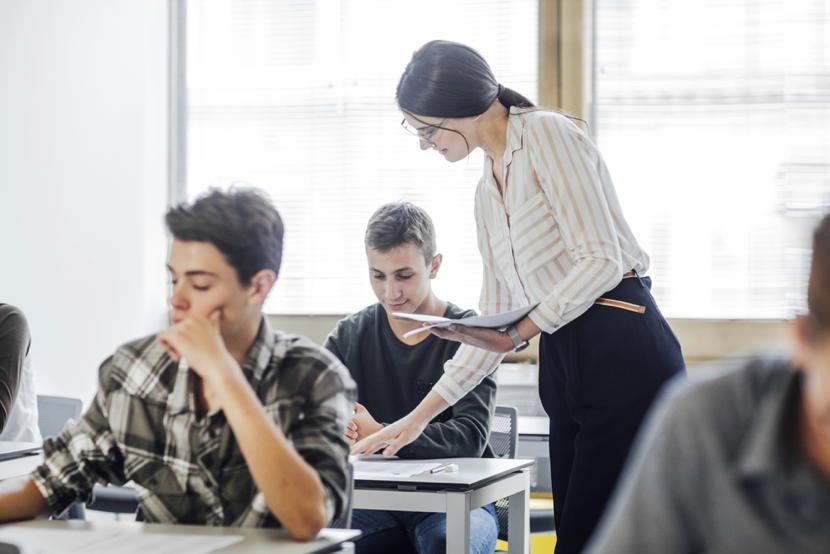
Long corridors, identical classrooms, high windows to avoid distractions... This is the classic representation that we keep of schools. Many actors, pedagogues but also architects, are shaking up these schemes and trying to make the spaces consistent with a more active pedagogy. Among these actors, Mario Cucinella proposes original solutions, flexible, modular and open to the environment.
![]()
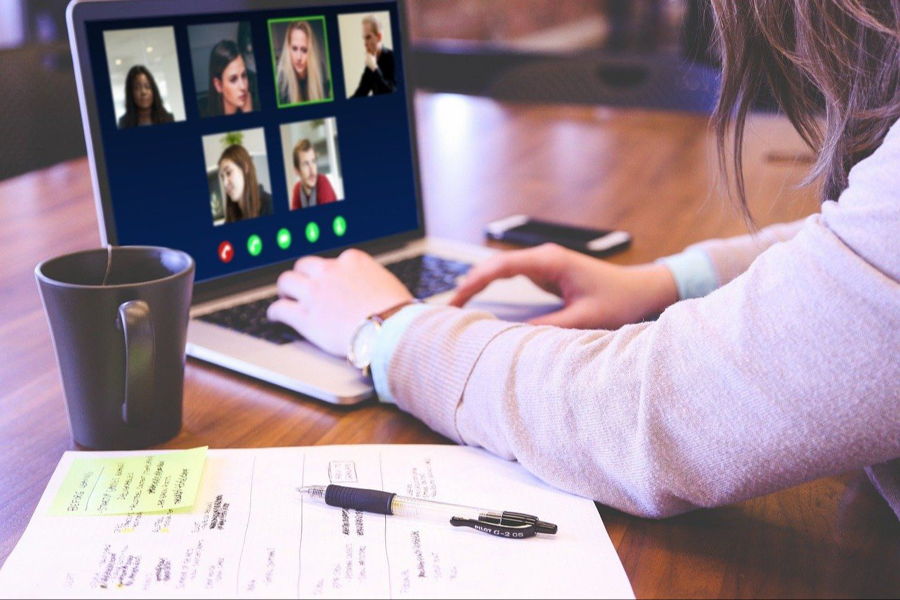
Welcoming a group remotly
The start of a training session allows the trainer to establish the basis of the group's functioning and to create an atmosphere conducive to learning. The trainer makes a first impression and takes the temperature of the group. But how can this important moment be transposed into a distance learning course? What activities and digital tools can be used? How to break the ice?
![]()
Consistency and feedback: two winning elements for quality assessment
Assessment is a thankless task, and its significance in terms of learning progression is often underestimated. Here are a few suggestions from a university educational consultant on how to move from basic summative assessment, which is sometimes akin to Russian roulette, to formative assessment, which motivates students.
![]()
Measuring. To control or to accompany?
Classical platforms provide us with data that is not enough to provide remediation when learners encounter difficulties. Database, cognitive psychology, and training specialists are trying to go further with cognitive tutors, and distance learning actors are expressing needs that go even further...
![]()
Which school for tomorrow?
Our era can be described as hyper-innovative coupled with a great deal of casualness. Not everyone is equally adept at seizing opportunities. This is the case with school and university structures; even as the custodian of the future of future generations, they are the last to move.