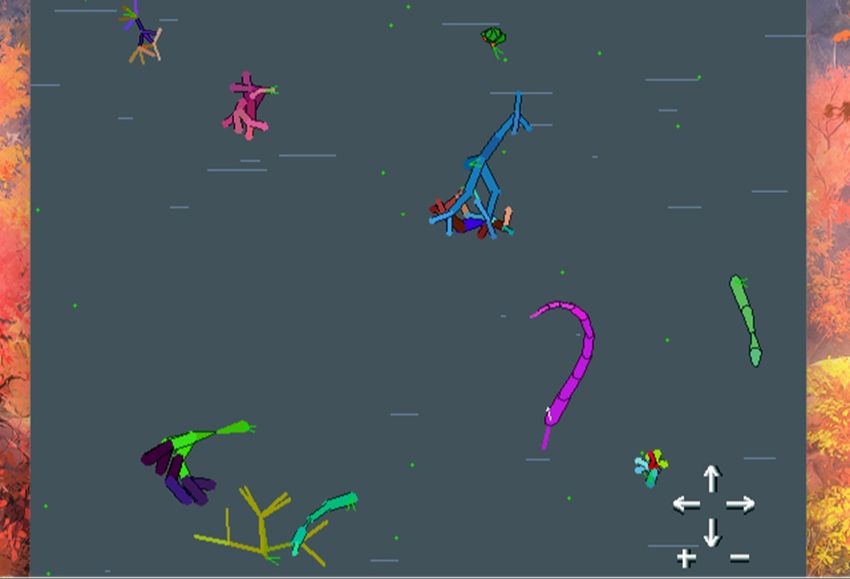
A virtual aquarium to understand Darwinian evolution
Is it possible to understand evolution through simulation? It would seem so. A very interesting resource for high school science classes.
Publish at May 03 2023 Updated May 03 2023


Among the great movements related to the Renaissance, it is difficult not to mention the great explorers who will have made it possible to better map the world. These personalities, mostly from the Iberian Peninsula, changed the vision of geography and made it exciting. Indeed, the public heard snippets of these voyages and was desperate to know more.
Add to this the invention of mass printing and it is a whole sector that will teem with activity from the end of the 15th and early 16th century. Publishers would seek to publish the notes, letters, and other writings of Magellan, Columbus, Vespucci, and Calvin to name a few.
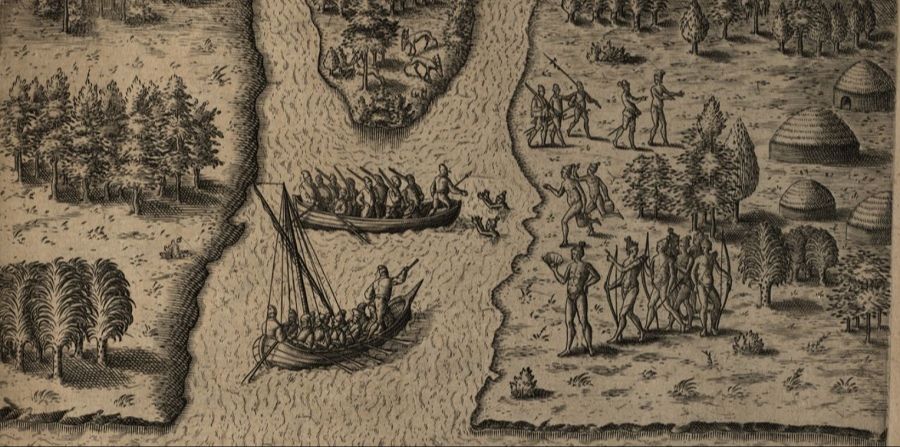
While for a time it was all text-based, it would gain popularity with engravings. Particularly the 600 creations of Theodore de Bry, which can be found in a 29-volume collection on the great known voyages. Thus, the public will be able to imagine the first encounters with native nations, among others.
However, the works of Theodore de Bry remain a product of their time with the approximations and biases of its author. The latter, a fervent Protestant, will show contacts between Huguenot explorers and First Nations as cordial while those featuring Catholics will be depicted with barbarism. Moreover, these engravings will perpetuate the ideas of cannibal peoples or giants in Patagonia for centuries. Nonetheless, the modern Internet user can view them for free through digitization and on Bodmer Lab's website.
Length: 30min30
Learn more about this resource
You might also like:
A virtual aquarium to understand Darwinian evolution
Is it possible to understand evolution through simulation? It would seem so. A very interesting resource for high school science classes.
Elude: a serious game for understanding depression
An original approach to depression. The game's metaphor is well conceived, a little dark and informative about a problem that affects millions of people.
A multiplayer game designed for people with disabilities
Video games designed for people with disabilities are already a rare resource. An experience that allows multiple players is even rarer. Yet this latest creation from "Ludociels for All" challenges players to light up an entire maze by walking balls of light.
The Englishes MOOC course was developed by an artist and is designed for anyone interested in the (English) language. It explores the history of English, its pronunciation, and its relationship to the art world.