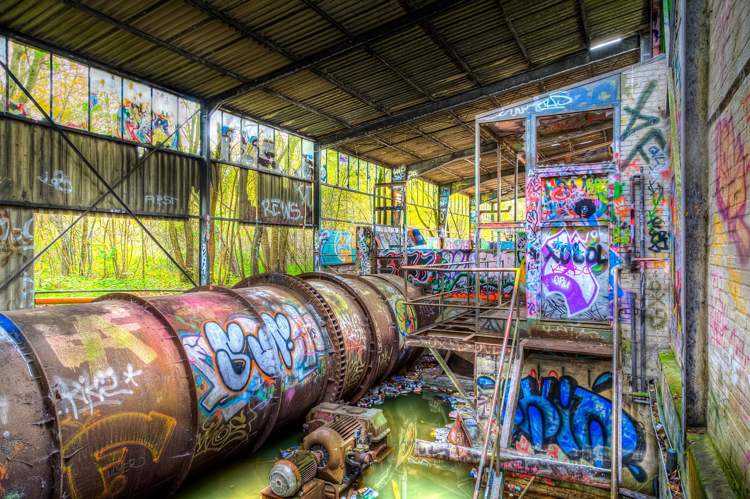
Internet and digital are now part of the educational journey. It used to be that we'd head out into the unknown and virtually everything was up for grabs. A paper travel guide would get us to the threshold, a scribbled map might tide us over, and for the rest we were on our own. Today, we know what we're going to discover in advance most of the time. As soon as someone has been there, they post pictures, videos, stories and comments on the networks, which will be added to those of hundreds of other people who have gone before or after them. Multiple points of view bring a new depth to travel stories. If we add virtual reality, we can almost believe it!
Also, we go further, with more means and better preparation. With what educational results? The interest of white (snow), green, blue classes or cultural, educational, culinary, linguistic, sports and other trips is often debated, but on the whole it is agreed that they are a high point in a curriculum. These trips are often an opportunity for "first times", discoveries and integration of so many disparate academic concepts that, until then, remained relatively incoherent in the minds of students.
The "group management" aspect of field trips, sometimes difficult because teachers cannot replicate the same authority relationships as in the classroom, means that the most interesting moments happen most of the time in the absence of adults in authority. No chaperone, in unfamiliar territory, one then discovers new abilities and interests; the opening of the senses is maximal.
In this sense, educational trips are powerful revelations if they are well balanced between supervision and participant autonomy. Added now are environmental and social considerations, of reconnecting with one's surroundings, concerns that were not found before. The world is at our doorstep and we are developing new ways to discover it.
Let's go.
Denys Lamontagne - [email protected]
Illustration: Pixabay - MarjanNo