![]()
A successful education system takes care of its teachers
Initially, the best candidates are attracted and selected; places are earned. Then we invest in lifelong learning: training and collaboration time for teachers embedded in the system's practices. We also make the teaching profession attractive and prestigious, a profession where the efforts invested by teachers create value, culture and lead to recognition and opportunity.
![]()
Evaluating while playing: the best of both worlds
Mixing genres sounds interesting, but it often requires stepping out of one's comfort zone. Those who first proposed adding playfulness to teaching were judged harshly. Today, however, this solution is part of the teaching kit. The next step is to use play for assessment purposes. How is this possible?
![]()
From caterpillar to butterfly, Ephemeral Formations
Regeneration Matrix Group's ephemeral trainings on Whatsapp, a frugal way to teach essential subjects to communities in Francophone Africa that don't have access to a computer. A 4-year collaborative effort for large communities. But this is just the first step in the simple, frugal caterpillar to help the many. Ephemeral trainings, a track for the trainings of tomorrow.
![]()
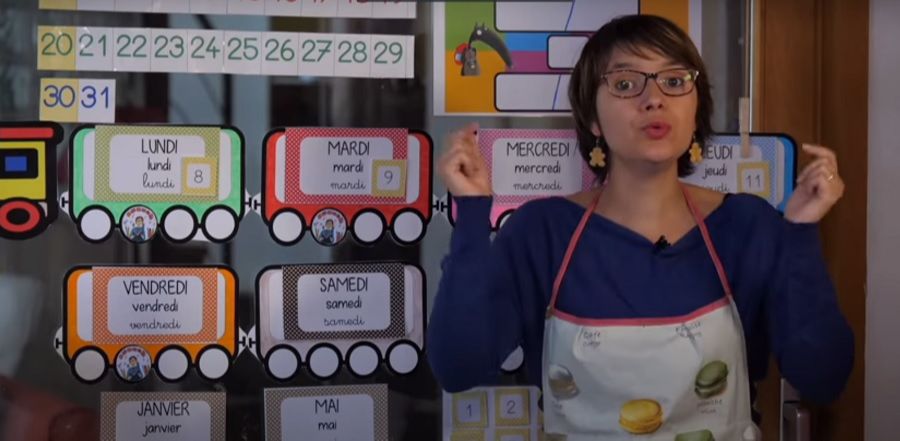
These teachers who have embraced YouTube
YouTube remains the gold standard for videos posted on the Internet. Its ease of use allowed many people to get into multimedia, including teachers. Then the pandemic came along and the creation of vignettes began to meet a BIG demand for educational content that could be viewed on any medium.
![]()
Turning your classroom into an entrepreneurial laboratory
Business is at the very heart of the economic concept. While today's giants amass a share of the profits just as large as their size, there was a time when the economic world was made up of a variety of small companies in all sectors. Consequently, teaching entrepreneurship is a matter of course from primary school through to university.