Most people have several interests, and the activity that results often spills over from one field to another, with many positive effects. It's even part of a happy life principle: having several strings to your bow makes you more resilient and increases opportunities for activity and contact.
Work, family, social or community involvement, projects, sport, hobbies... Some people absorbed by screens may think they are pursuing their interests, but endless scrolling is not designed in their best interests, it only leads to isolation. Absorbed by the screen or between our headphones, we become unavailable to others and to other things, with no interaction with our environment...
On the contrary, having lots of projects and interests is the best form of insurance: if anything is missing, it's not the end of the world, because you have the contacts, knowledge, skills, experience, confidence, imagination and resources to compensate; you're not dependent on just one or two activities, and you're not helpless in the face of rapid change.
At work, the principle is also put to good use: versatile employees, capable of contributing new ideas, are far more interesting than simple, uninvolved doers. All Thot editors pursue parallel careers, which contributes to a wealth of perspectives, a grounding in diverse realities and a frequent transformation of visions.
This reality can exist in any sub-optimized environment, where margins are preserved in the core business and maximum short-term profitability doesn't take up all the space. Balance is found when loads are distributed between different poles: theory-practice, concentration-relaxation, creativity-productivity, ... people who thrive over the long term all find a balance between various activities, their balance; there is no universal recipe.
During the school year, students are introduced to virtually every subject, so they can develop multiple interests in parallel. How important are extracurricular activities in students' development? Is there a link between extracurricular activity and academic success or success at all? What about internships? Many people have not worked in their field of study, but in a related field to the one they were working in as an extracurricular activity! Their studies have certainly served them well, but not in the way they expected. The important thing is that everyone finds their own path.
Denys Lamontagne - [email protected]
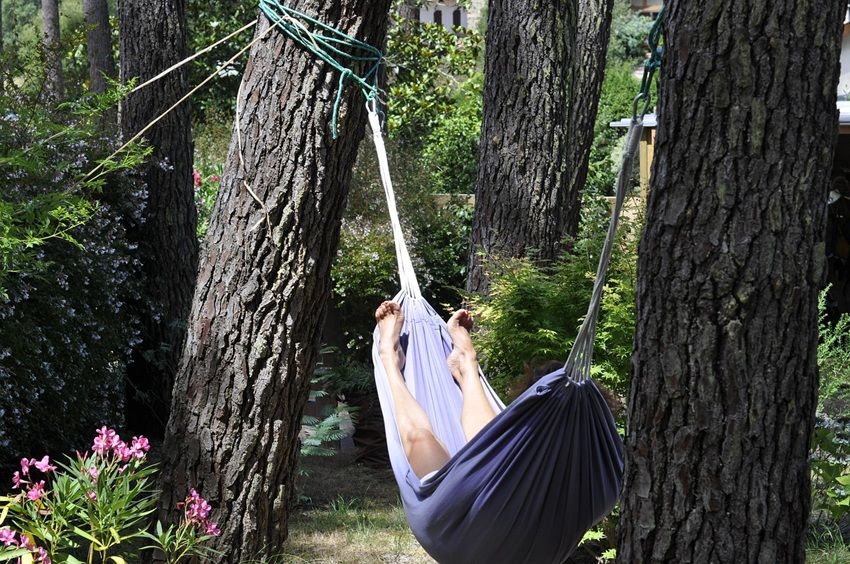
Illustration: Brigitte Werner - Pixabay