By definition, popular culture reaches the general public. A huge proportion of Halloween costumes are based on well-known characters. But some people don't wait for the end-of-October festivities to dress up. In parallel with their professional lives, men and women create costumes, wear them for social networks and go to various public events where they can parade around. Cosplay is a phenomenon in which people dress up as characters, often from video games, films or cartoons.
These people spend hours designing the make-up and elements of their costumes to resemble the characters as closely as possible. This trend originated in Japan, but has now become international. As a result, some spend a good part of their lives creating costumes and displaying them on social networks and at conventions, gaining popularity, subscriptions on platforms like Twitch and earning more money from their passion.
Many of them, who are more introverted, have been able to develop friendships and even romantic relationships by sharing their interest in multiple gatherings where they can play completely different protagonists. Because the idea of costuming is also to have fun interpreting the character, in part, to bring him or her out of the screen so to speak.
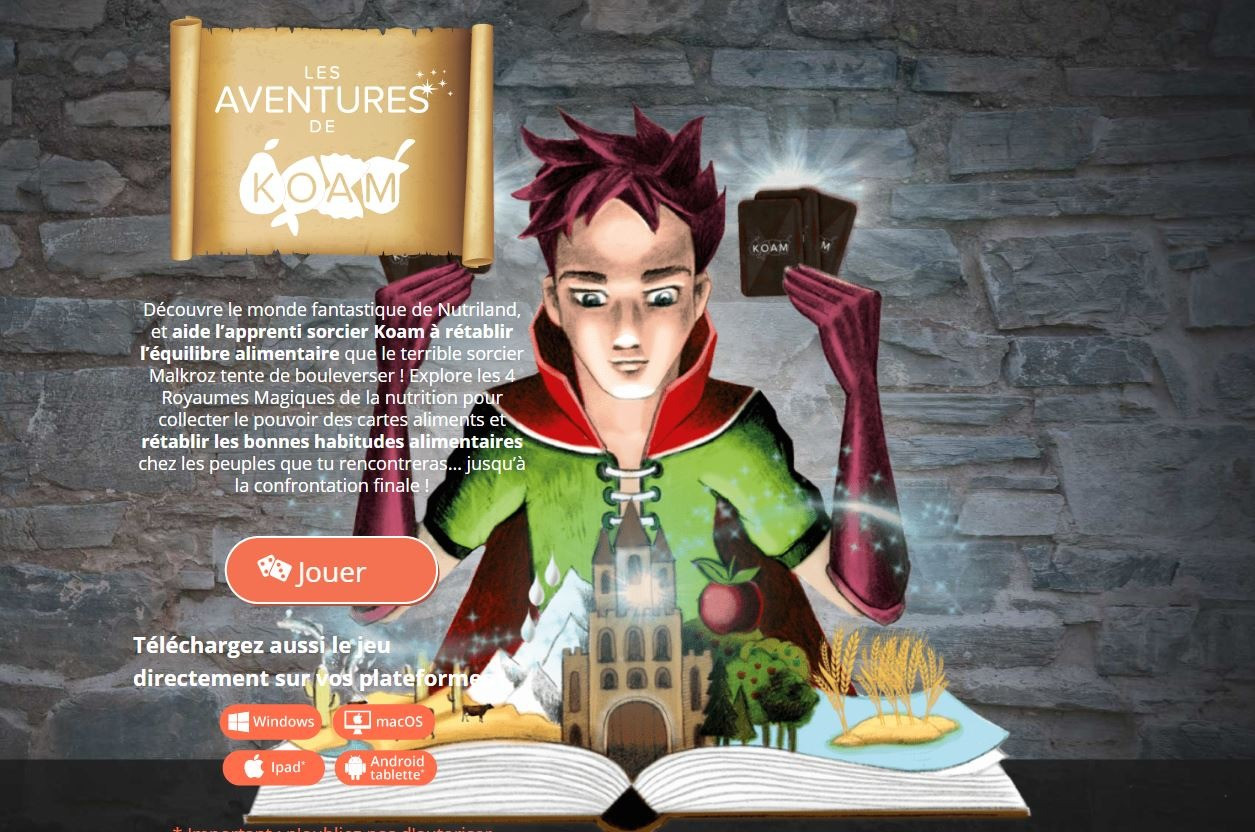
A veritable showcase for public health, Koam was developed by Nutrikeo, a consulting firm specializing in nutritional strategies. Supported by BPI France, the Nouvelle Aquitaine region and Europe, Koam is the result of two years' work by a team of leading specialists in nutrition, childhood, pedagogy, sociology, digital and behavioral theory.
The Englishes MOOC course was developed by an artist and is designed for anyone interested in the (English) language. It explores the history of English, its pronunciation, and its relationship to the art world.
To a layman, music is just a tune performed by a musician. Yet, if he were to play Meludia, he would learn all the rudiments and terms associated with musical practice.
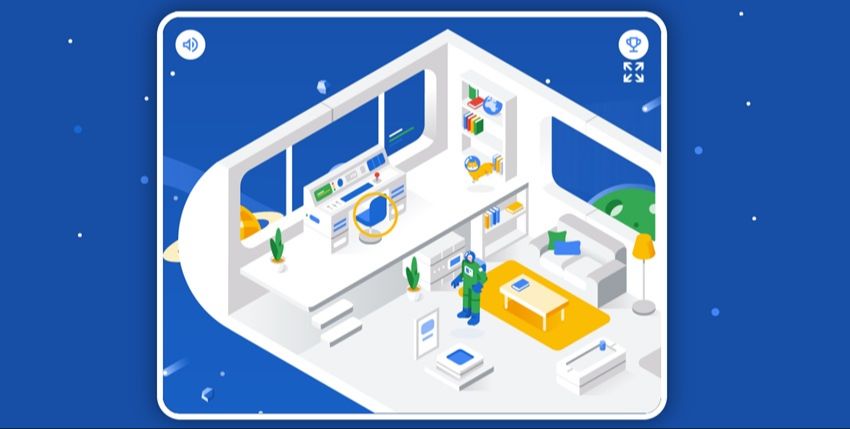
All our lives have an online component. As a result, a large proportion of Internet users are at risk of being tricked by hackers. A short game invites Internet users to remember certain elements of cybersecurity using a space theme.