Living in a locality means much more than simply being a citizen. In part, we become experts on our neighborhood or city, mastering the geographical, linguistic, cultural and social intricacies. I can't analyze Vienna's public transport system, but I can go into great detail about the strengths and weaknesses of my municipality's public transport system. By experiencing our environment on a daily basis, we come to know it almost inside out, from local markets to must-see tourist attractions.
One-size-fits-all solutions rarely work. They tend to be rigid and fail to take into account the realities of different environments. An approach that has worked well in the United States cannot be transposed identically to Senegal. Especially as perceptions and know-how differ from one region to another in the heart of the same country. You can't develop a project in Lyon in the same way as in Perpignan. It's like trying to fit a square shape into a round opening. The most constructive attitudes are those that adapt to their environment while retaining the essentials. The Canadian tontine is applied differently from the Cameroonian one, without losing sight of the basic philosophy.
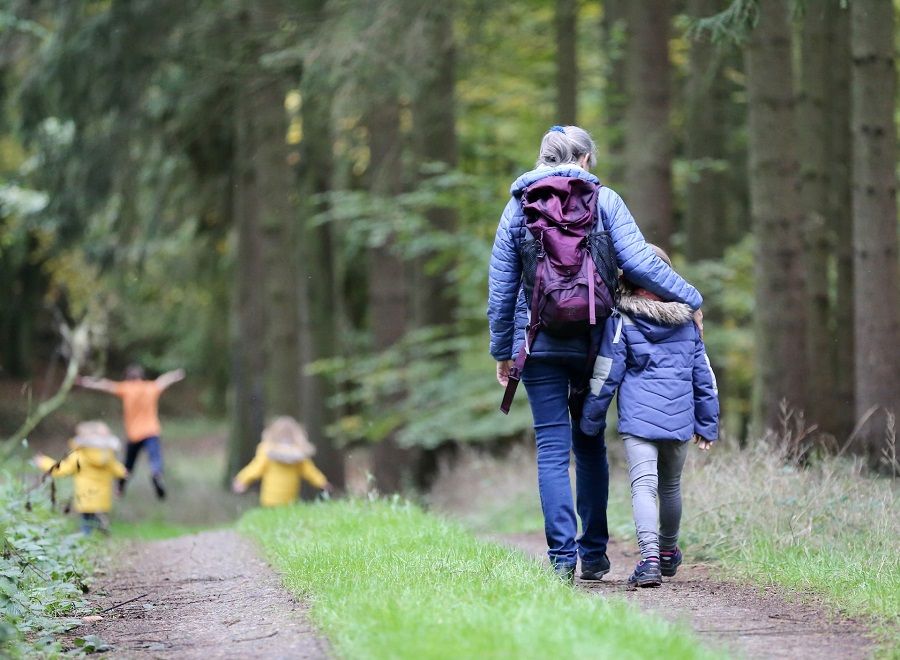
The school world knows something about this. Everyone wants to follow the programs devised by high national authorities, but when the time comes to put them into practice, most want to be able to take the path they want. Whether through co-constructive approaches, technological uses or outdoor classes, schools and teachers would like to be able to use the specific features of their community. Pedagogically, rubbing shoulders with local symbols is far more valuable for students. They may well receive dozens of hours of theory on global warming, but nothing will be more telling than seeing the lowered bed of a nearby river to understand the effects of lack of precipitation.
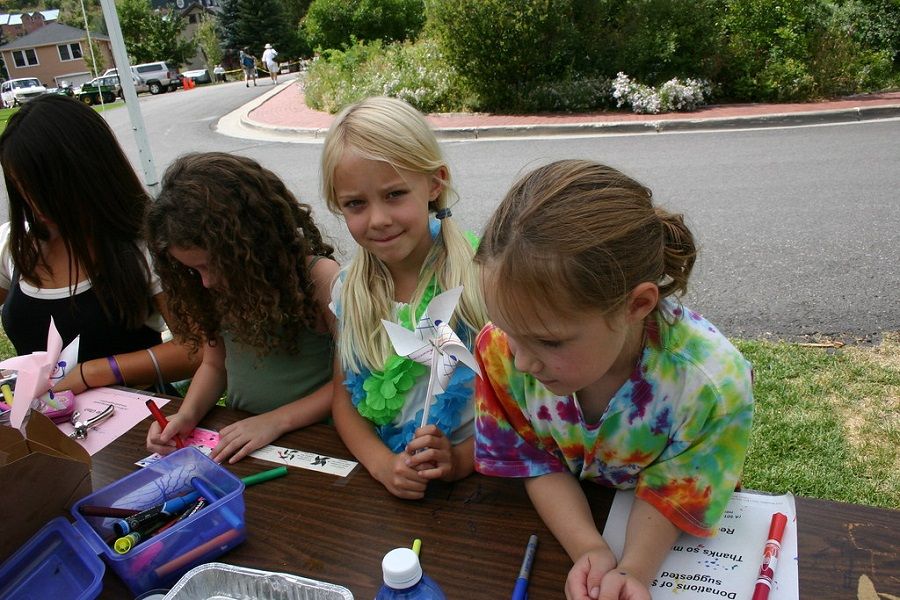
Going to the heart of one's locality means meeting people with different dialects, sometimes surprising realities and people who give their time to help the community. These accessible experiences resonate with learners and will potentially inspire them to take action where they live. Ultimately, the sum of local gestures has an impact on global issues. Each initiative improves the ecological balance sheet, social justice or simply collective knowledge.
Insuspected wealth can often be found on the other side of your door. All you have to do is take the plunge.
Happy reading!
Alexandre Roberge - [email protected]
Image: Eddy Pellegrino / Pixabay