Newscraft: the game that puts you in the shoes of a reporter
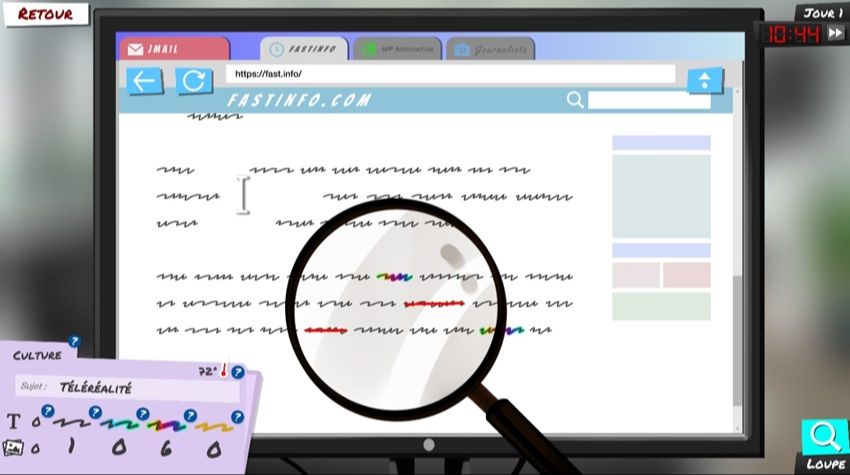
A serious game that explains and brings to life the notion of news selection and the editorial line of different types of media.
Publish at August 01 2023 Updated August 01 2023



Of all the senses, touch is not the one we think about most often. Yet it is vital to all human beings. Not only because it helps us avoid injury, but also because it is one of our first needs. Indeed, newborns who leave their mother's reassuring environment can often only be soothed by caresses and contact with their parents.
Researchers are increasingly interested in the question of affectionate gestures in humans. In primates, from which we are descended, delousing is one of the moments when members of a group come together. In fact, the skin on our backs is more sensitive than anywhere else. It's as if nature made sure we could benefit from the caresses of another human to clean our backs.
For several years now, researchers have been noting the presence of nerve fibers that are different from conventional ones. They transmit messages and analyze touching in terms of what feels good or not. In fact, they play an essential role when we injure ourselves; our tendency to massage the painful area is a way of stimulating them and acting as a natural analgesic. Better still, while the capacity of nerve endings to pick up and feel objects diminishes over time, the opposite is true of those for emotional contact, which remain the same and, what's more, increase with age.
This ARTE documentary made during the covid-19 pandemic shows just how badly this crisis affected the population. Unable to touch each other, many people found themselves in a state of malaise, and adopted unhealthy habits to fill the gap. So much so that researchers have started working on electronic skin solutions that can transmit some of the sensations. But these are a far cry from the real caresses that produce the oxytocin needed by every human being from birth to old age.
Running time: 52 minutes
Image : Iuliia Bondarenko from Pixabay
Learn more about this resource
You might also like:
Newscraft: the game that puts you in the shoes of a reporter
A serious game that explains and brings to life the notion of news selection and the editorial line of different types of media.
Reflecting on agroecology through play
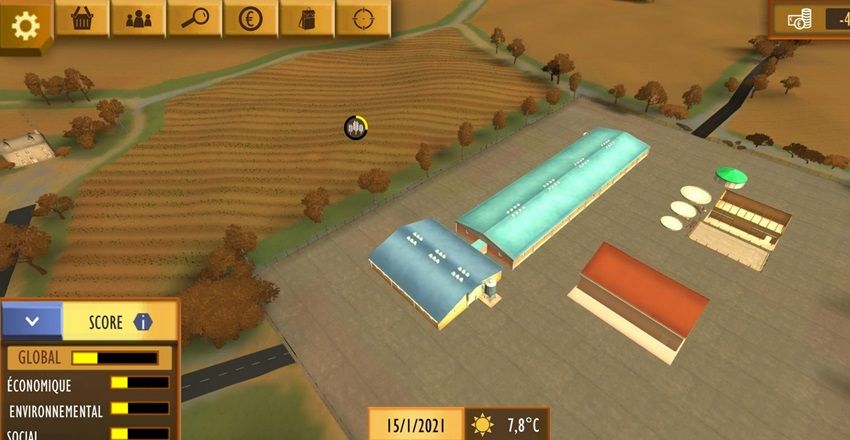
There's nothing simple about being a farmer. You have to plan your activities throughout the year, make sure you have the right machinery, maintain it and so on. All with a view to ecology. A serious French game seeks to teach agroecology.
The sharing economy has led to small changes in various economic sectors such as transportation, housing, etc. This approach has changed the relationship of citizens for different services, now cheaper and offered by their fellow citizens. However, who actually benefits from this new economy? The people or the companies in question? A U.S. newsgame shows how the life of Uber drivers isn't as lucrative as one might think.
"Space Shelter: Google's cybersecurity game
All our lives have an online component. As a result, a large proportion of Internet users are at risk of being tricked by hackers. A short game invites Internet users to remember certain elements of cybersecurity using a space theme.