How can we be balanced in a world of contradictory injunctions?
The issue of well-being has never been so present. On television, on the radio, in magazines and on the Internet, it's everywhere in all its forms. It shows up well on social networks and often arouses the envy of subscribers. Yet, as Grégory Pouy points out in this talk given at TEDxNantes, there seems to be something unhealthy in this injunction to well-being.
We need to be productive, but at the same time take time for ourselves. You have to be able to combine family life, career and citizenship, while not forgetting to include yoga sessions and time for cooking. You need to relax, and there are guides to help you do just that in just a few minutes. In fact, as this presenter from the world of marketing humorously points out, in a world that talks incessantly about wellness, it seems to focus more on living well. It's a completely different approach, one that gives the illusion of balance without actually addressing people's real needs.
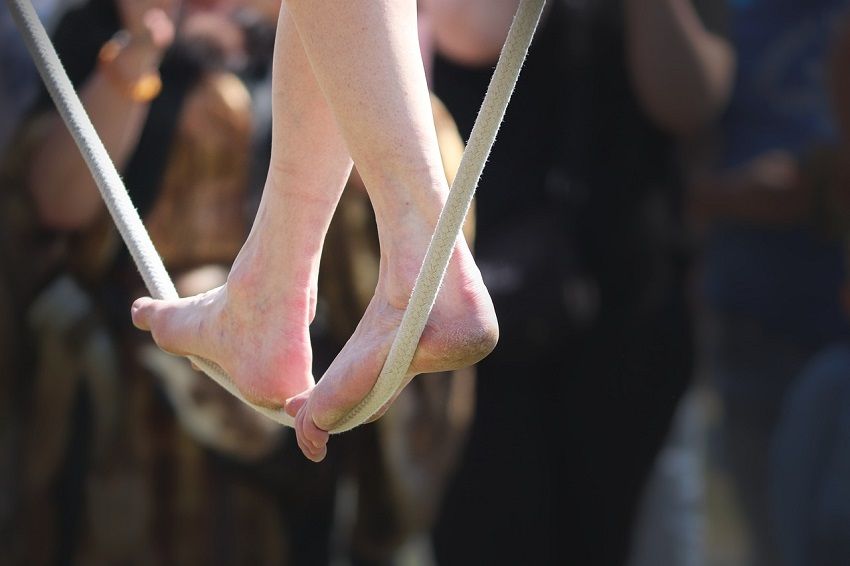
For him, the solution lies not in this factitious balance that looks more like inertia, but in a constant move towards what is truly desired. Do you want time to develop a business, read books, record a podcast, write a novel or travel around the world? So why not take the plunge, even if it means falling short of current physical, psychological and social expectations?
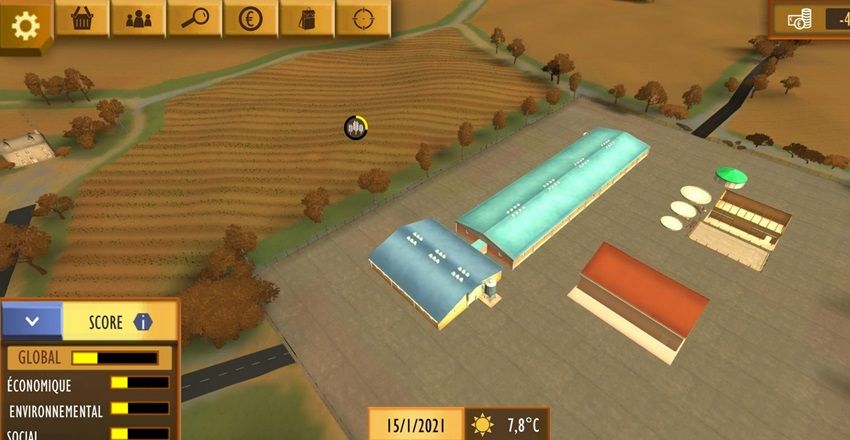
There's nothing simple about being a farmer. You have to plan your activities throughout the year, make sure you have the right machinery, maintain it and so on. All with a view to ecology. A serious French game seeks to teach agroecology.
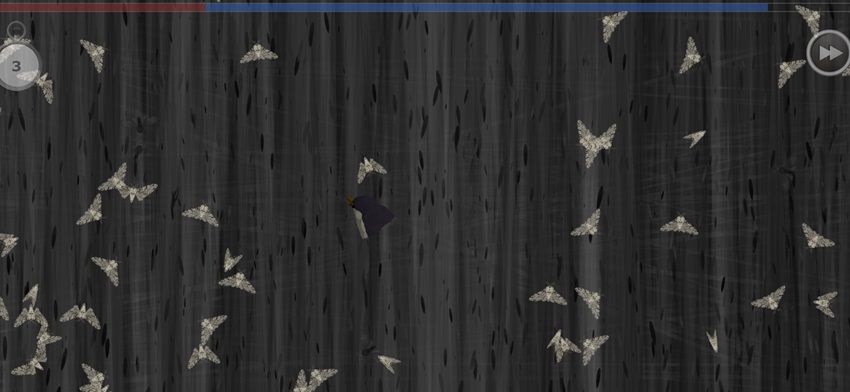
Measuring attention remains a concern in many settings. Some work tasks are not very error tolerant.
Here are a series of sample tests to measure attention in children and adults.
Video games designed for people with disabilities are already a rare resource. An experience that allows multiple players is even rarer. Yet this latest creation from "Ludociels for All" challenges players to light up an entire maze by walking balls of light.