Publish at September 12 2023Updated September 12 2023
How to write for young people
Immerse yourself in this vision of the world doped with imagination
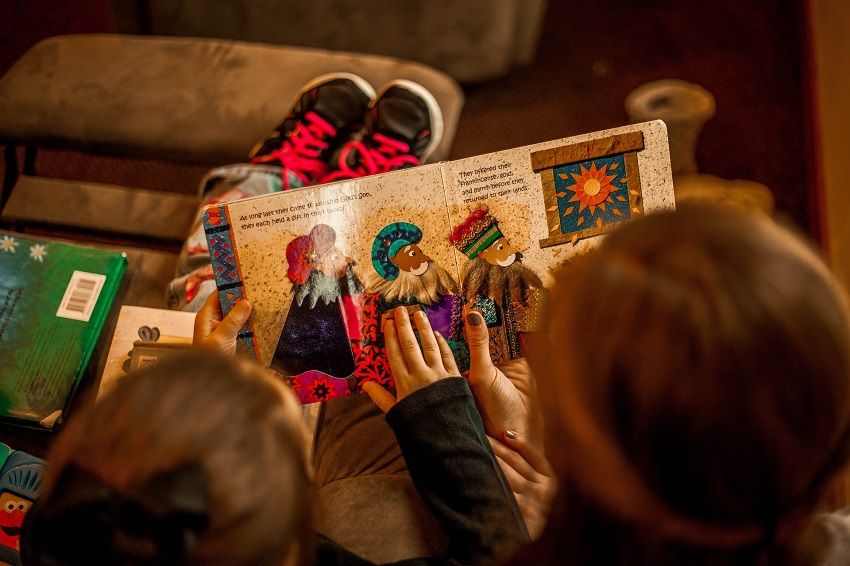
Children's literature is flourishing. This is a good thing, since developing reading habits at an early age means that the activity will remain part of your hobbies as you grow older. However, it can seem difficult to address children through writing. How do you avoid falling into cliché? How can we ensure that they are interested in stories? In this France Culture interview, two authors (Timothée de Fombelle and David Lescot) discuss their latest work and, above all, their approach to writing for children.
First of all, it seems that posture is important. We mustn't see children as little adults in training who have nothing. By observing the young people around them, the two writers have realized that they have strong personalities and a vision of the world. Admittedly, this will evolve as they grow up and interact with adults, but they are not empty sacks. In fact, Timothée de Fombelle, who has written several sagas for young people, claims that they have more memories than adult readers. In fact, they're even capable of having invented memories that are as real to them as their last visit to the park.
Writing for young people also requires us to find out what interests children and teenagers. It's possible to build on this and offer them stories rooted in everyday life, or to take them somewhere else, with reminders of the world they know, whether through animals, plants, activities, emotions and so on. These elements are then added to the author's imagination, enabling him or her to approach the story with a touch of originality and imagination that appeals to young readers.
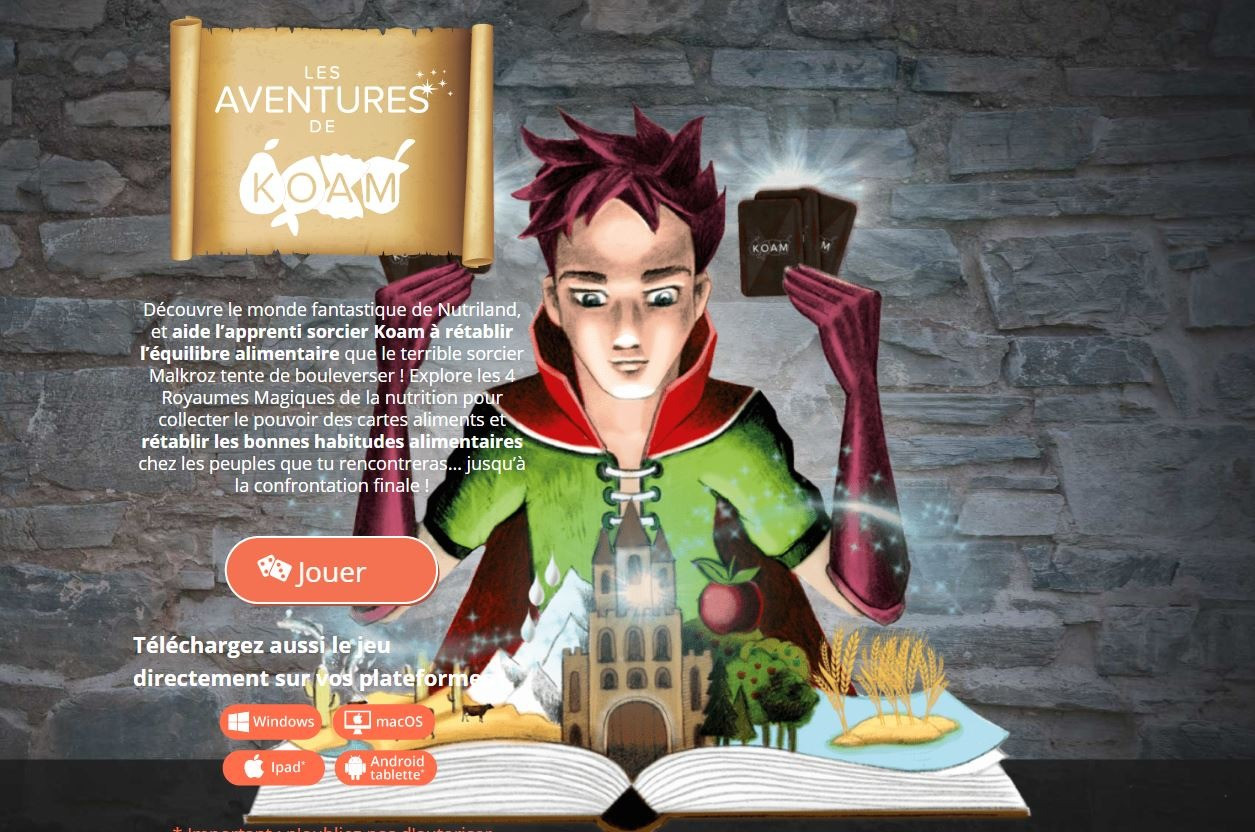
A veritable showcase for public health, Koam was developed by Nutrikeo, a consulting firm specializing in nutritional strategies. Supported by BPI France, the Nouvelle Aquitaine region and Europe, Koam is the result of two years' work by a team of leading specialists in nutrition, childhood, pedagogy, sociology, digital and behavioral theory.
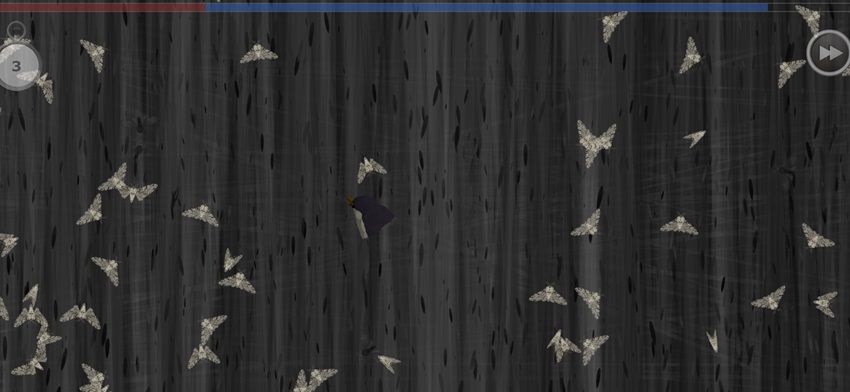
An original approach to depression. The game's metaphor is well conceived, a little dark and informative about a problem that affects millions of people.