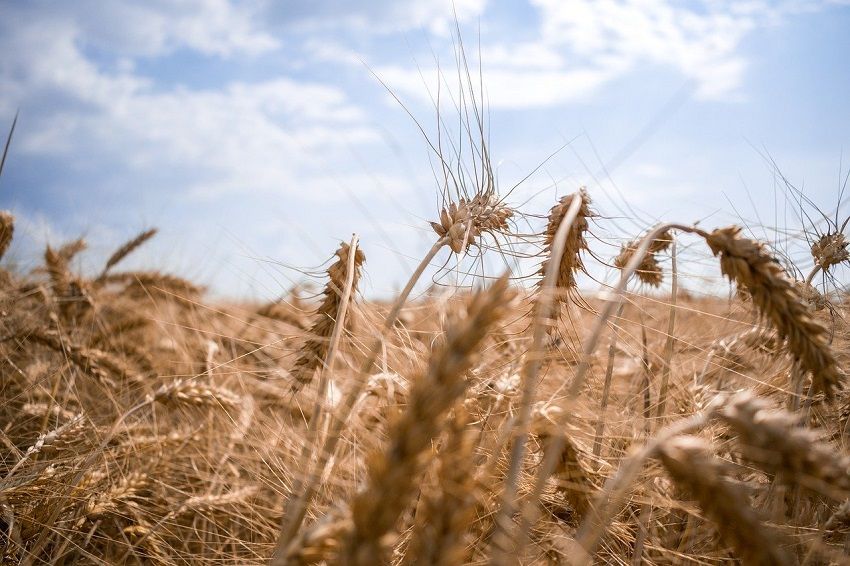
Genetically modified organisms (GMOs) aroused a great deal of passion in the late 1990s and early 2000s. Indeed, many people were rather uncomfortable with the idea of genes from different species entering vegetables and fruit to make them resistant. In Europe, moreover, regulations are very strict compared to the Americas. But with climate change on the rise, even the European Commission is beginning to think about relaxing regulations for NTGs (new genomic technologies).
These latest techniques use Crispr technology to cut a strand of DNA from a plant. In this way, it will modify its code, but this time with a mutation that will lead it to need less water and fertilizer, or to resist fungi and viruses.
However, environmental groups remain fiercely opposed to these techniques, despite the fact that science to date has shown no risk to the environment or humans. They are wary because GMOs in North and South America have led to plants that are too resistant to herbicides. Farmers then used these poisons even more, endangering insect species and ecosystems. Moreover, scientists admit that certain rules should be introduced to avoid facilitating polluting actions.
Will the new GMOs save the world of agriculture in the context of high population and climate change? On their own, certainly not. However, some would like to see them given a chance.
All our lives have an online component. As a result, a large proportion of Internet users are at risk of being tricked by hackers. A short game invites Internet users to remember certain elements of cybersecurity using a space theme.
The Englishes MOOC course was developed by an artist and is designed for anyone interested in the (English) language. It explores the history of English, its pronunciation, and its relationship to the art world.
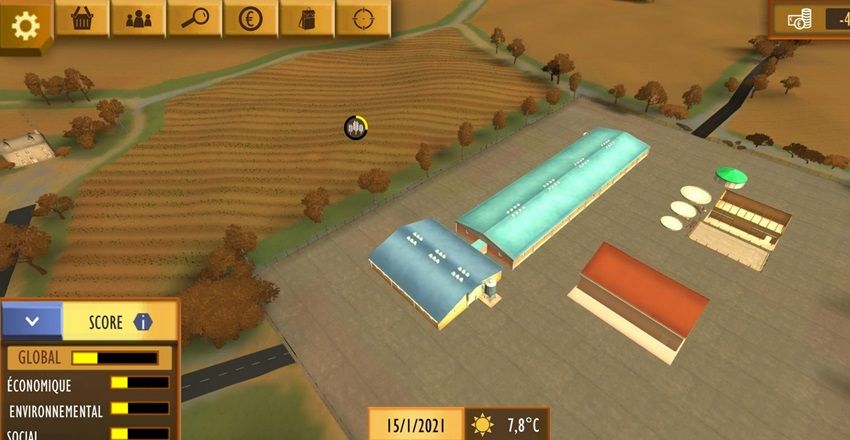
There's nothing simple about being a farmer. You have to plan your activities throughout the year, make sure you have the right machinery, maintain it and so on. All with a view to ecology. A serious French game seeks to teach agroecology.