![]()
Truly integrating students with autism
More and more, the issue of neurodiversity is coming into the classroom. Indeed, autistic people are people on the spectrum who function differently but are able to be in a regular class... under certain conditions. Despite apprehensions, some institutions are succeeding and demonstrating that a bit of flexibility makes all the difference.
![]()
Pedagogical engineering in the creation of serious games
Integrating serious games into training courses is not as rare as it once was. Nevertheless, designers are increasingly using instructional engineering to design game experiences that meet the objectives and profiles of learners.
![]()
Developing a culture of technological learning: sharing responsibilities and managing resistance
Technological changes are bringing new priorities to institutions and organizations. Technological and educational needs, constantly renewed by an effervescent market, stimulate the acquisition of products that require specific knowledge and learning capacity in virtual environments. Resistance to this change is evident among the staff. How to develop a learning culture and facilitate the transition to skills development?
![]()
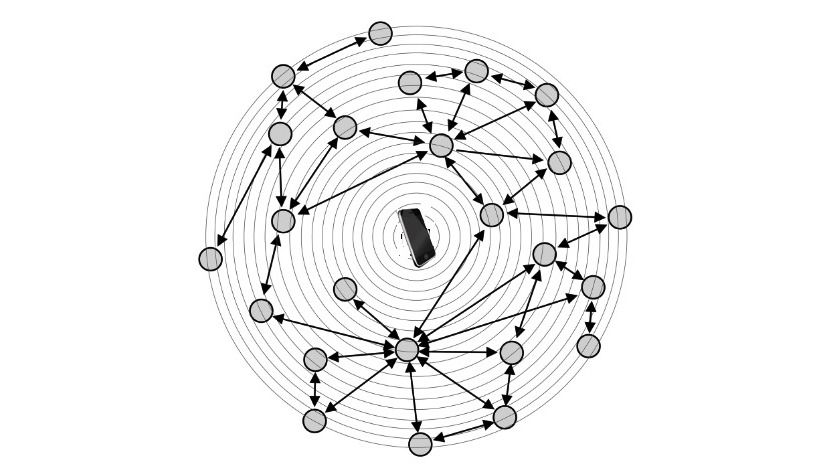
The power of being influenced
The entire network structure is important, not just a handful of influencers.
![]()
How can cyberbullying be explained?
Bullying is nothing new. Unfortunately, it has always occurred in all social environments, and particularly in schools. Today, however, it's making more headlines because we're increasingly aware of its deleterious effects on children. All the more so as the phenomenon has become more pronounced in the virtual world.