![]()
Selling training. What I learned at trade shows
How to sell a training course. What marketing methods should be used for this very special service? To explore this question, let's wander from stand to stand at a "human resources and training" trade show. Let's ask the salespeople, and observe.
![]()
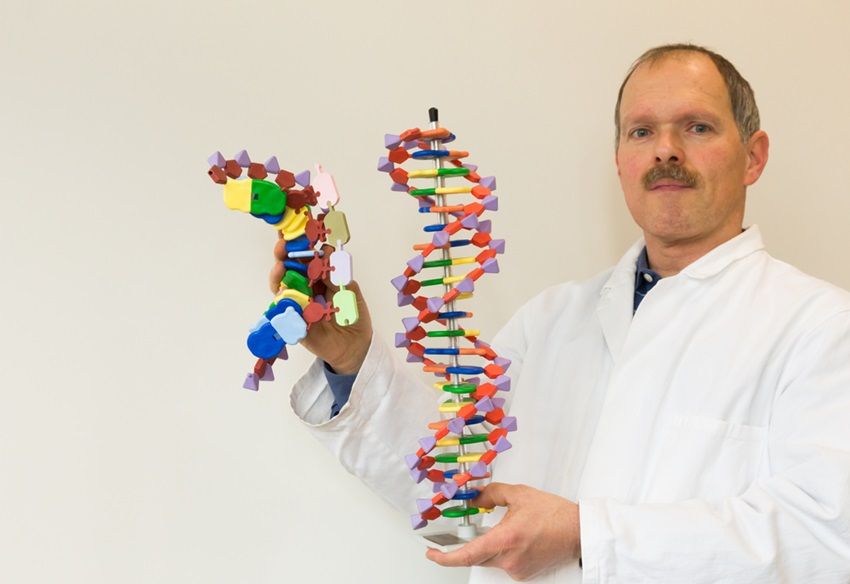
Teaching the principles of genetics
Among the major scientific discoveries, that of genetics has revolutionized our vision of the living world. Scientists now have access to the blueprints of many living beings, from the smallest viruses to the largest animals. In the teaching of biological sciences, the question of introducing genetics is no longer an issue, but one that is developing tremendously!
![]()
Teaching with sudoku
Sudoku is an excellent game for teachers to use in the classroom. As the game is closely linked to mathematics, it seems obvious that sudoku can be used as a starting point to introduce mathematical principles, or simply to test students' logic.
![]()
The proliferation of «Influeneacher»
Many individuals who have emerged from reality shows or developed a mass of admirers online have found a way to make a living from their notoriety. Fortunately, the content of networks like TikTok, Instagram and others is not limited to them. Influencer-teachers" have emerged to offer educational content on these networks.
![]()
Build team spirit even from a distance
Working in a team already requires excellent cohesion and respect between members. Add distance and it can quickly become problematic. However, the health crisis of 2020 has shown that in both professional and academic settings, it is possible to achieve this. It is possible that this form of collaboration will continue after the pandemic. Synthesis of best practices.