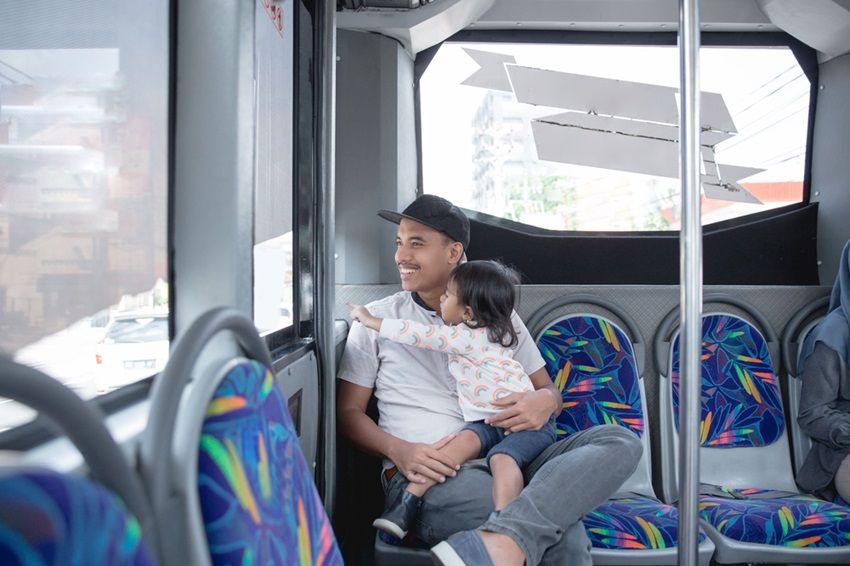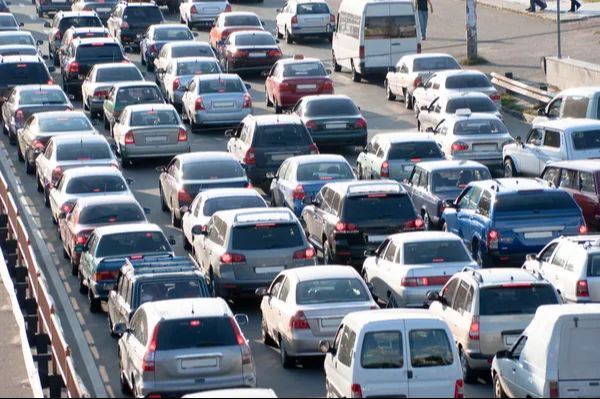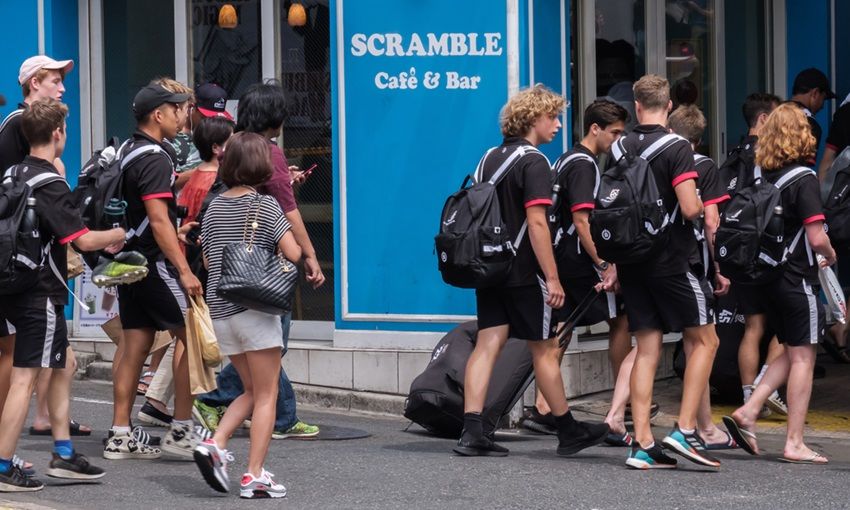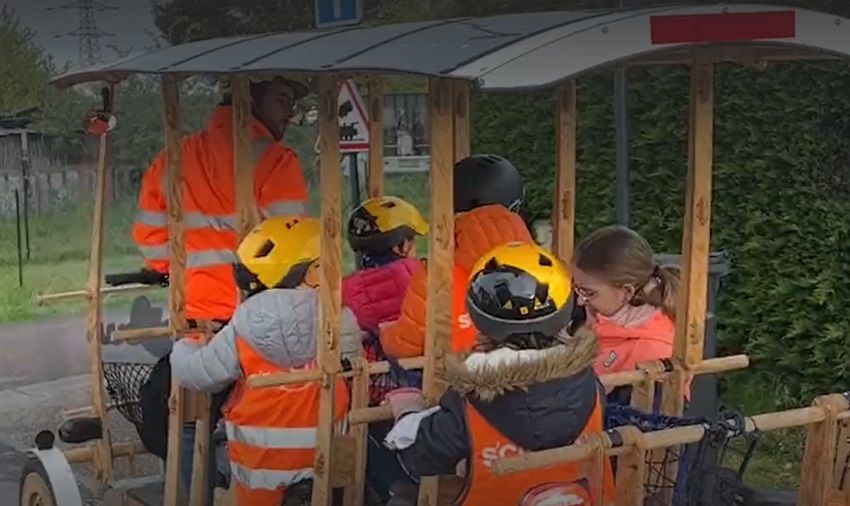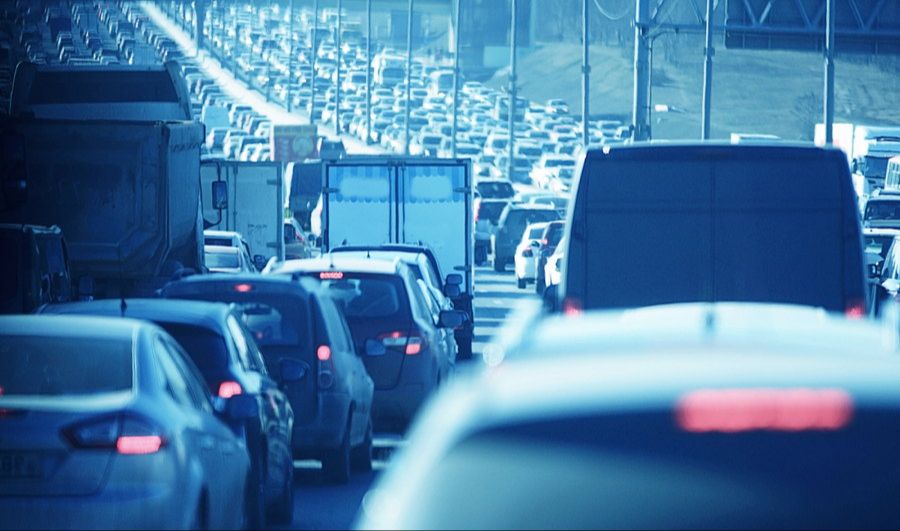
Too many cars! The paving stone in the pond is thrown. Anathema to those who dare to assert it.
Too many tourists, cities suffocating and an industry alarmed.
4 billion people fly every year.
The volume of international trade exceeds 25,000 billion dollars according to the WTO, and increases by 4 to 6% a year...
The right to travel is a fundamental right. Transporting goods ensures greater prosperity for all. Whether one region has a surplus of corn, iron or anything else, other regions will be able to benefit from it, as long as it can be transported. Communications are a good thing. Roads, bridges, ports, stations and docks are all important, but that doesn't mean there isn't a dose, an optimum, that shouldn't be exceeded.
When traffic jams become recurrent, when the inconvenience caused by transport becomes unbearable, when the surface area occupied and the resources devoted to it become excessive, it becomes obvious that the optimum has been exceeded and that we need to review our priorities and ways of doing things.
Technical alternatives are being proposed: fast trains, electric cars, assisted bicycles, delivery drones, heavy airships, sailing ships, car-sharing services, and so on. But they also call into question our consumption patterns: Who needs 10 varieties of the same product? Why do we need to visit Bali or Machu Pichu? Why year-round fresh lychees and pineapples in regions where they don't grow? Why a mega-mall 30 km from home? Many of the proposed answers, such as electric cars or drones, are far from having proved their worth as solutions to our transportation problems.
There are a lot of questions surrounding transportation. Things are starting to move.
Denys Lamontagne - [email protected]
Illustration : xload - DepositPhotos