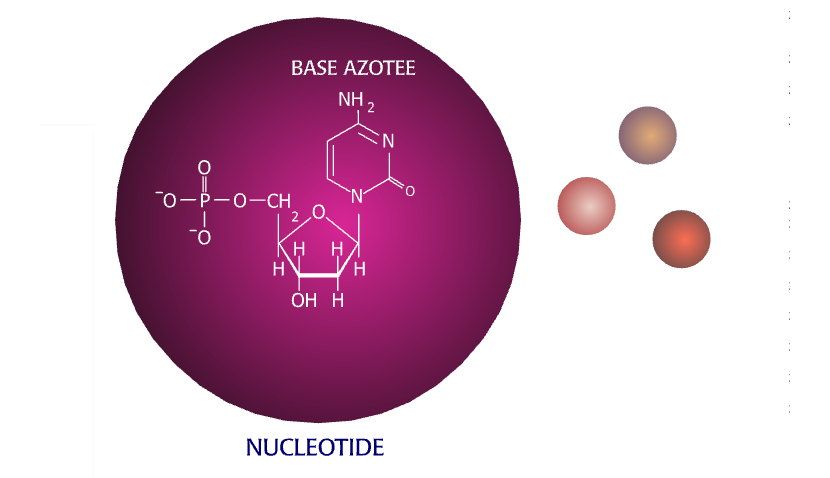
"Once upon a time... DNA" - The basics of classical and molecular genetics
Publish at November 01 2023 Updated November 01 2023


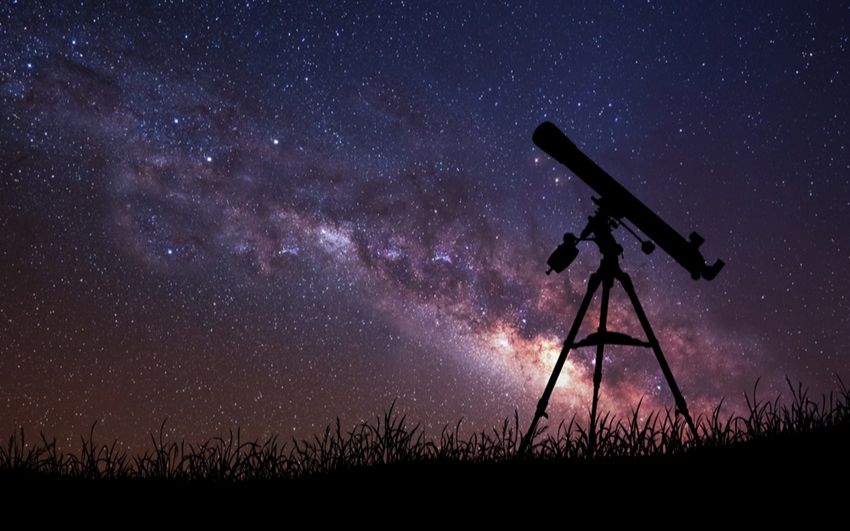
The first human to set foot further than his larder began a long series of explorations. These have led humans to sail the seas, discover new territories, dive into the depths of the sea and propel themselves into space. Indeed, the curiosity of some has pushed mankind as far as our natural satellite, the Moon. School textbooks, however, distort the distances of the stars in our solar system. A book trying to reproduce everything to scale would have to be kilometers long to include everything.
So, while some dream of traveling to Mars, the possibility of physically transporting oneself over long distances in space still seems a long way off. However, there is a very practical way of crossing frontiers: the telescope. The device that enabled Galileo to make his discoveries has been perfected, and today there are hundreds of them floating in space, capable of capturing every known type of wave.
As a result, we are now able to "see" exoplanets and even distant galaxies. We have also recently acquired images of what could be the "center" of the Universe, or at least one of its major black holes.
As technology advances, who knows how far optical technologies will take us. Will we be able to observe the oldest light ever seen, that of the Big Bang? It's hard to say at the moment, but for now it seems that our thirst for discovery relies heavily on ultra-powerful telescopes.
Running time: 27min42
Photo: en.depositphotos.com
You might also like:
Koam, playing with balanced nutrition
A veritable showcase for public health, Koam was developed by Nutrikeo, a consulting firm specializing in nutritional strategies. Supported by BPI France, the Nouvelle Aquitaine region and Europe, Koam is the result of two years' work by a team of leading specialists in nutrition, childhood, pedagogy, sociology, digital and behavioral theory.
"Space Shelter: Google's cybersecurity game
All our lives have an online component. As a result, a large proportion of Internet users are at risk of being tricked by hackers. A short game invites Internet users to remember certain elements of cybersecurity using a space theme.
Develop your musical ear through play with Meludia
To a layman, music is just a tune performed by a musician. Yet, if he were to play Meludia, he would learn all the rudiments and terms associated with musical practice.
A series of games that require an ear.
Tests of vigilance and attention
Measuring attention remains a concern in many settings. Some work tasks are not very error tolerant. Here are a series of sample tests to measure attention in children and adults.