Publish at November 01 2023Updated November 01 2023
Promote free public transport
Increasing accessibility for the less affluent classes
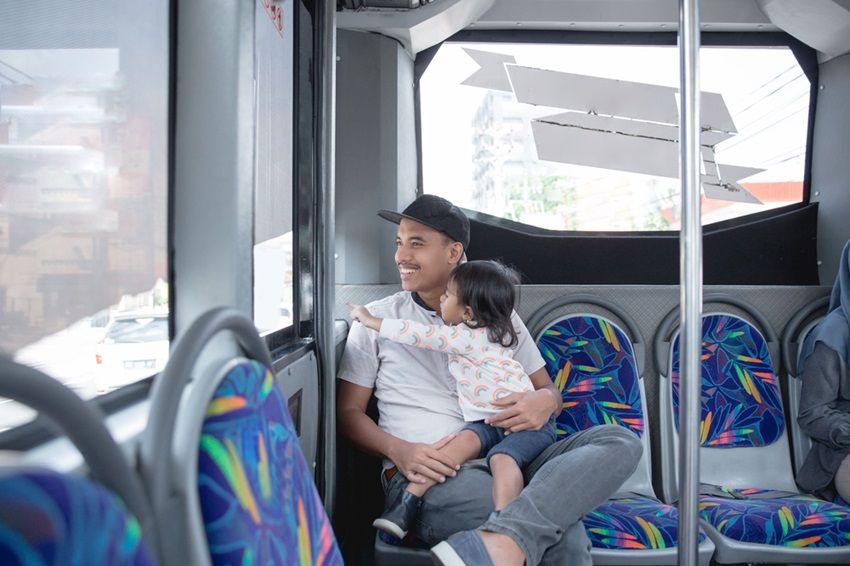
There's a lot of talk about the ecological transition, and many citizens are still reluctant for public authorities to get involved. Why is this? Because such changes often involve costs being relegated to the middle and poorer classes. So how can ecology and social progress go hand in hand? For Olivier Malay, who is familiar with the situation in Brussels, free public transport would be a way of removing a major item of expenditure from underprivileged families, of which there are many in the Belgian capital.
He studied how this transition was made in 2008 in the French town of Aubagne. Despite fears of incivilities, these did not increase with free transport. With a special tax on companies for their road use (0.4%), they managed to finance this policy, provide a more generous transport plan, and so on.
In the end, the number of trips tripled, and today, no citizen in Aubagne would go back to paying for transport. Since then, other cities around the world have followed suit, including Luxembourg, which has made bus, train and streetcar travel free throughout its territory.
Such a policy is therefore possible, and with no great burden on the public budget (which often spends more on company cars) would be a real choice in favor of public transport rather than the car.
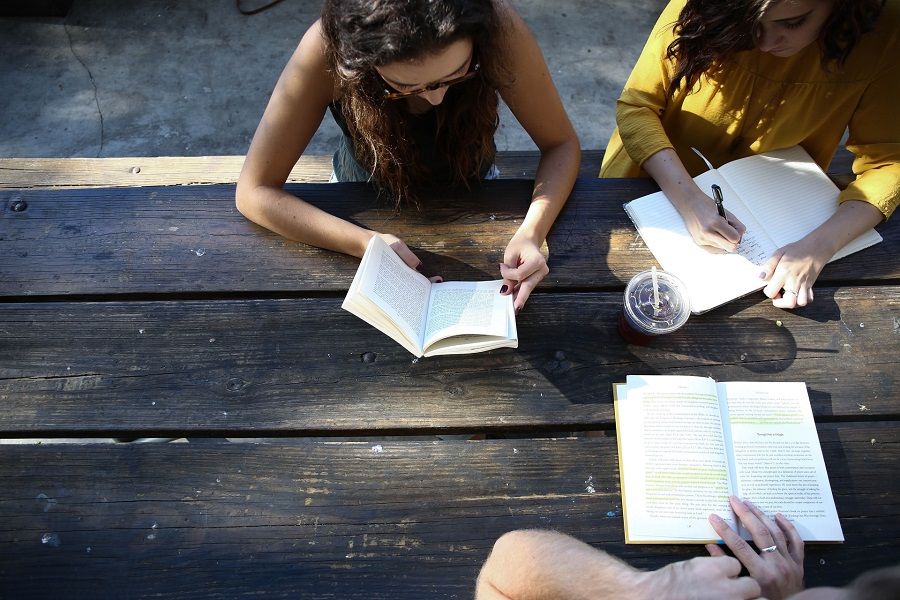
They seemed relegated to the past. Yet, book clubs have been revived, especially with the confinement that has allowed more time for reading. This renewed interest may well serve teachers well as they seek to share a love of books with their students.
Africa is looking for development solutions, and this development requires a paradigm shift in education. As a result, alternative schools are emerging as prospects to be followed with interest.
One of the first human needs, apart from those essential to life, is to tell stories. African griots know all about it. This tradition, which is deeply rooted in Africa and elsewhere, almost disappeared. Today, many of them are calling on the continent's school systems to reintroduce it.