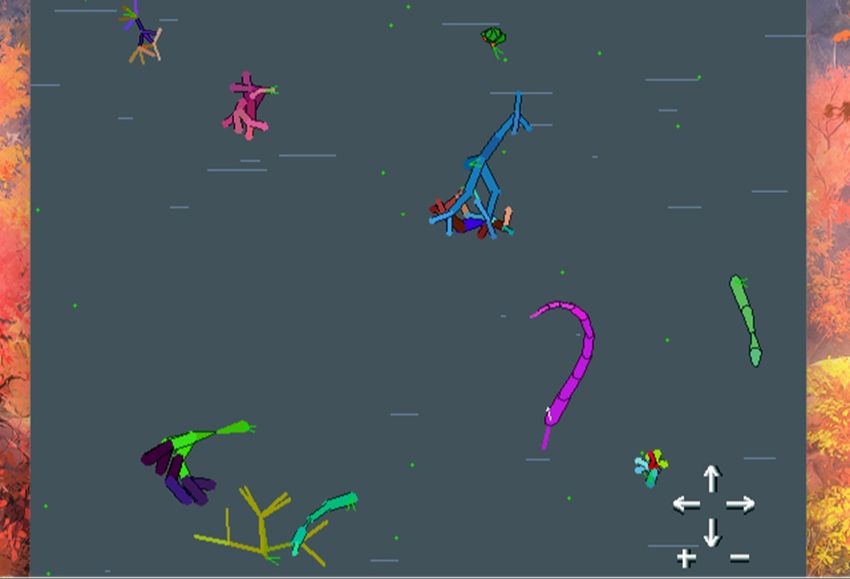
A virtual aquarium to understand Darwinian evolution
Is it possible to understand evolution through simulation? It would seem so. A very interesting resource for high school science classes.
Publish at November 29 2023 Updated November 29 2023



Steve Jobs, Mark Zuckerberg or Elon Musk; whatever these names conjure up in you, they'll evoke a certain sense of importance. Without them, computer and virtual advances would be less important today. That's the myth we generally harbor about these personalities. That of the entrepreneur who sees further ahead and understands things that ordinary people don't. This figure didn't appear on the scene long ago.
As management scientist Anthony Galluzzo reminds us, this figure did not emerge with the technological boom at the end of the 20th century. At the beginning of the same century, industrialists such as Andrew Carnegie had almost irreproachable images and were seen as necessary. In the United States, the libertarian movement fueled by the ideology of Ayn Rand, among others, placed these unaccountable personalities on pedestals. Surprisingly, between 1930 and 1970, these economic "heroes" were less prominent. Why is this? Because a huge part of the economy relies on the contribution of governments.
In fact, they were often the driving force behind innovations. The creation of most of the iPhone's parts was subsidized by the American government. Yet, in the eyes of the public, all credit goes to Steve Jobs, forgetting all the engineers and little hands who contributed to its success. It's also interesting to see the dichotomy between entrepreneur and capitalist, the former being perceived as the more moral. In the eyes of many, Bill Gates is seen as a villain who owned computers to get rich, whereas Jobs was the creator-artist. That said, both benefited from the capitalist economic system to accumulate indecent fortunes, like many other of these capitalist "models".
Running time: 23min35
You might also like:
A virtual aquarium to understand Darwinian evolution
Is it possible to understand evolution through simulation? It would seem so. A very interesting resource for high school science classes.
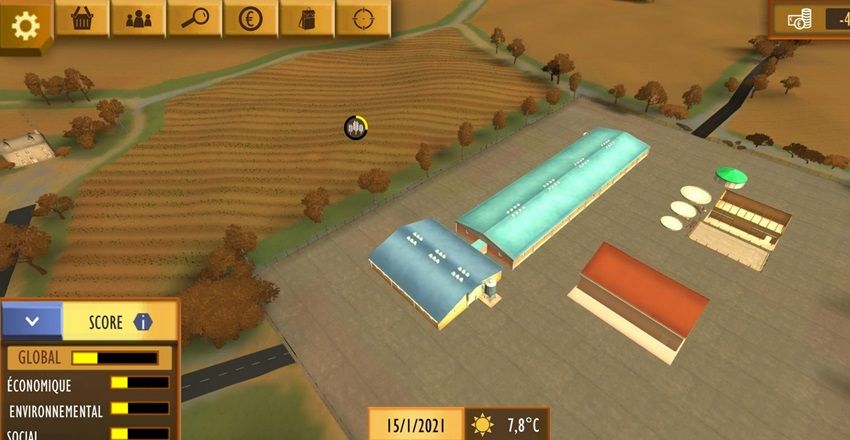
Reflecting on agroecology through play
There's nothing simple about being a farmer. You have to plan your activities throughout the year, make sure you have the right machinery, maintain it and so on. All with a view to ecology. A serious French game seeks to teach agroecology.
A serious game on social engagement
Many serious games address the topic of sustainable development. Yet before such solutions were proposed, innovative people had to go against the social grain and fight to improve their environment. A humorous adventure game, hosted by the National Film Board, teaches children the attitudes they need to adopt to make a difference.
The sharing economy has led to small changes in various economic sectors such as transportation, housing, etc. This approach has changed the relationship of citizens for different services, now cheaper and offered by their fellow citizens. However, who actually benefits from this new economy? The people or the companies in question? A U.S. newsgame shows how the life of Uber drivers isn't as lucrative as one might think.