Tests of vigilance and attention
Measuring attention remains a concern in many settings. Some work tasks are not very error tolerant. Here are a series of sample tests to measure attention in children and adults.
Publish at November 29 2023 Updated November 29 2023



In professional sport, playing at home has always had an added value. Many teams prefer to be close to their fans, who can cheer them on. In soccer, some even refer to the public as "the 12th player on the pitch". A nice image, but does it really hold water? The covid-19 pandemic provided an interesting laboratory for sports performance researchers. Health restrictions forced clubs to play in virtual silence, as crowds were not allowed.
Did the teams lose their home advantage in this context? Slightly, but the difference wasn't as marked as in previous years. In fact, it seems that with or without a crowd, a team has a better chance of winning at home. Why is that? For one thing, they don't have to travel or adapt to the altitude like their rivals. What's more, it has been admitted that some coaches, among others, arrange for visitors to have less comfortable changing rooms or cold rather than hot showers.
Nevertheless, the absence of spectators had a slight effect on the winning percentage at home and elsewhere. Refereeing was a little harsher for the home team than in the context of matches with fans. Why was this? Specialists recognize the psychological effect of whistles when a foul is called. As a result, refereeing is unconsciously more lenient for the home team. Without this pressure, however, referees were less "afraid" of calling fouls that didn't comply with the rules.
Duration: 7 minutes
You might also like:
Tests of vigilance and attention
Measuring attention remains a concern in many settings. Some work tasks are not very error tolerant. Here are a series of sample tests to measure attention in children and adults.
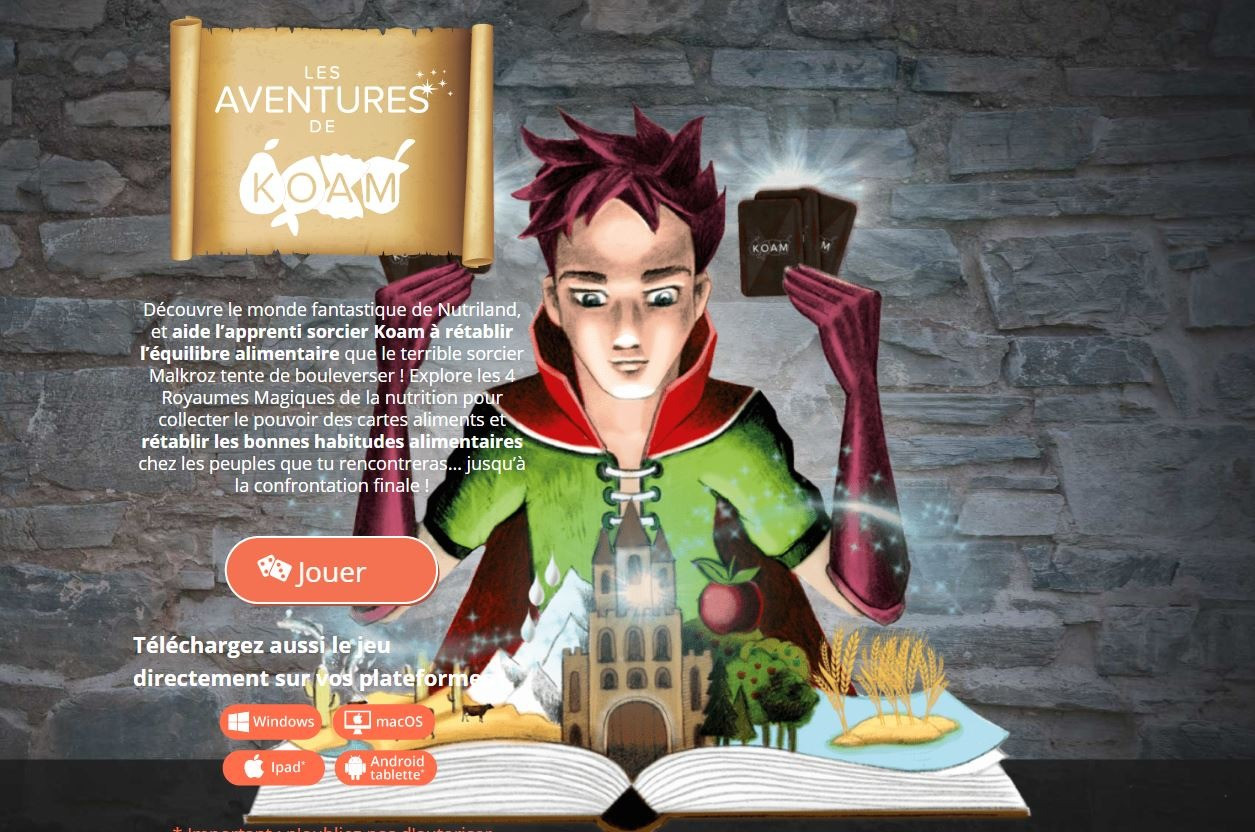
Koam, playing with balanced nutrition
A veritable showcase for public health, Koam was developed by Nutrikeo, a consulting firm specializing in nutritional strategies. Supported by BPI France, the Nouvelle Aquitaine region and Europe, Koam is the result of two years' work by a team of leading specialists in nutrition, childhood, pedagogy, sociology, digital and behavioral theory.
Elude: a serious game for understanding depression
An original approach to depression. The game's metaphor is well conceived, a little dark and informative about a problem that affects millions of people.
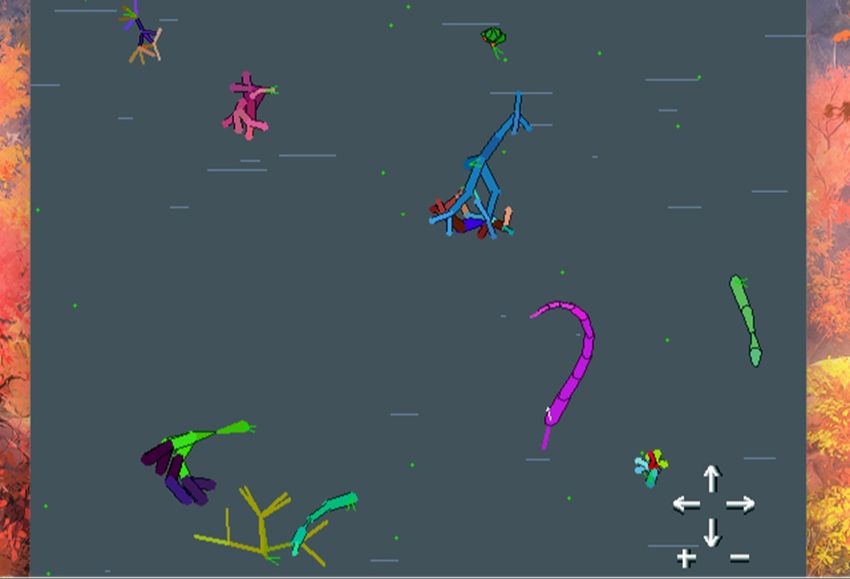
A virtual aquarium to understand Darwinian evolution
Is it possible to understand evolution through simulation? It would seem so. A very interesting resource for high school science classes.