Defining art in the age of artificial intelligence
What is art?
Are artists on the verge of extinction? The question arises at a time when artificial intelligences are carving out a huge place for themselves in the creative world. Many creators are worried about what will happen if no debate or limits are set. ARTE's Twist program spoke to a number of stakeholders to get their take on this new reality.
Some see this technology as an interesting approach. Algorithms can, in some cases, stage images that come directly from the imagination of the creators. They can quickly process filmed or photographed images and create something new. Nevertheless, the role of the artist remains important, as a machine has no idea what affects a human being.
On the other hand, others are concerned about the proliferation of AI applications, so that "photos" turn out to be creations from scratch. The danger is that the general public will start to disbelieve any press image, thinking that it is the creation of an algorithm. For some, this will require certification of authenticity. Others point out that the technology only uses what is available in the immense mass of data. However, when it comes to animal species alone, not all representations are accurate. While it's very easy for an AI to represent a panda with billions of iterations online, it becomes more complicated for less popular varieties such as frogs, birds, snakes, etc.
How do you talk to children about genetics and heredity? A British museum has come up with the method: design a game in which you create a line of adorable creatures with precise objectives. The game is fun, colorful and easy to learn. Even adults will succumb to the charms of the bugs and their large families.
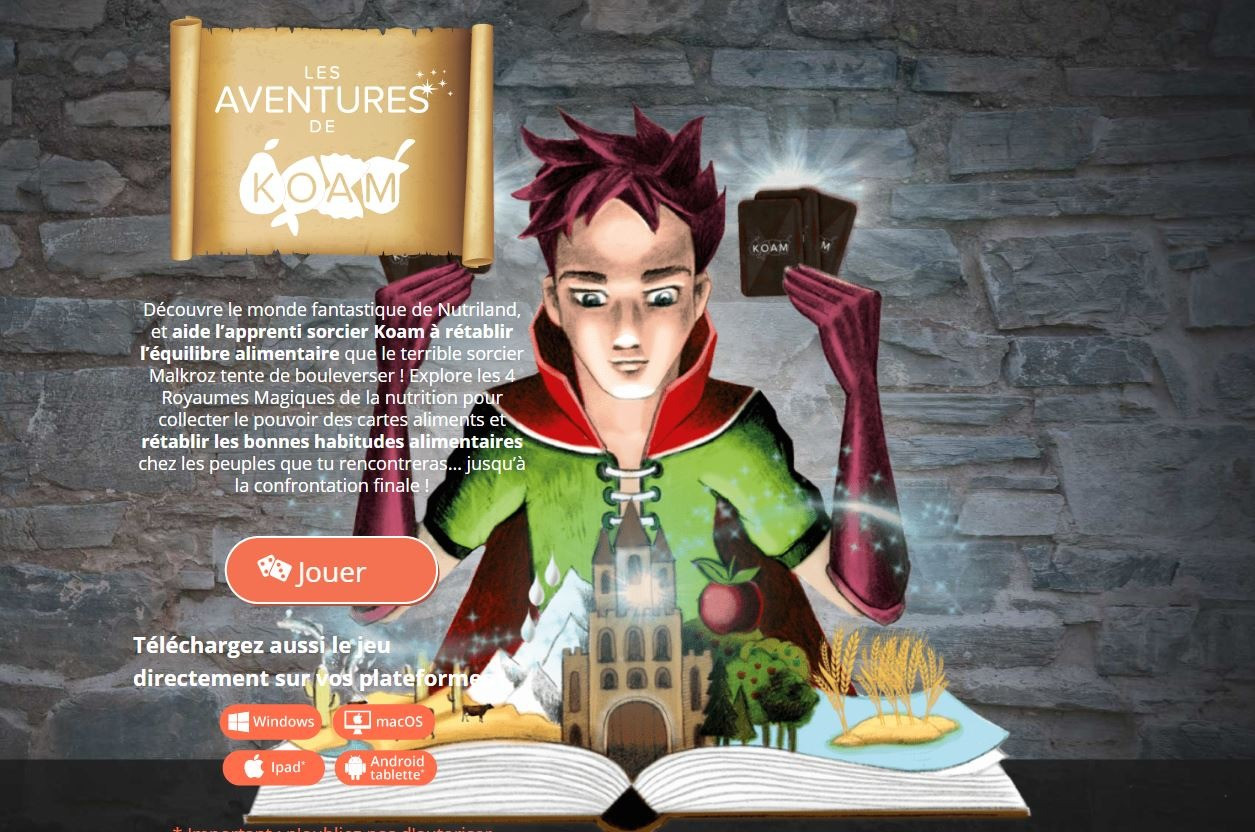
A veritable showcase for public health, Koam was developed by Nutrikeo, a consulting firm specializing in nutritional strategies. Supported by BPI France, the Nouvelle Aquitaine region and Europe, Koam is the result of two years' work by a team of leading specialists in nutrition, childhood, pedagogy, sociology, digital and behavioral theory.
Video games designed for people with disabilities are already a rare resource. An experience that allows multiple players is even rarer. Yet this latest creation from "Ludociels for All" challenges players to light up an entire maze by walking balls of light.