Tests of vigilance and attention
Measuring attention remains a concern in many settings. Some work tasks are not very error tolerant. Here are a series of sample tests to measure attention in children and adults.
Publish at February 14 2024 Updated February 14 2024


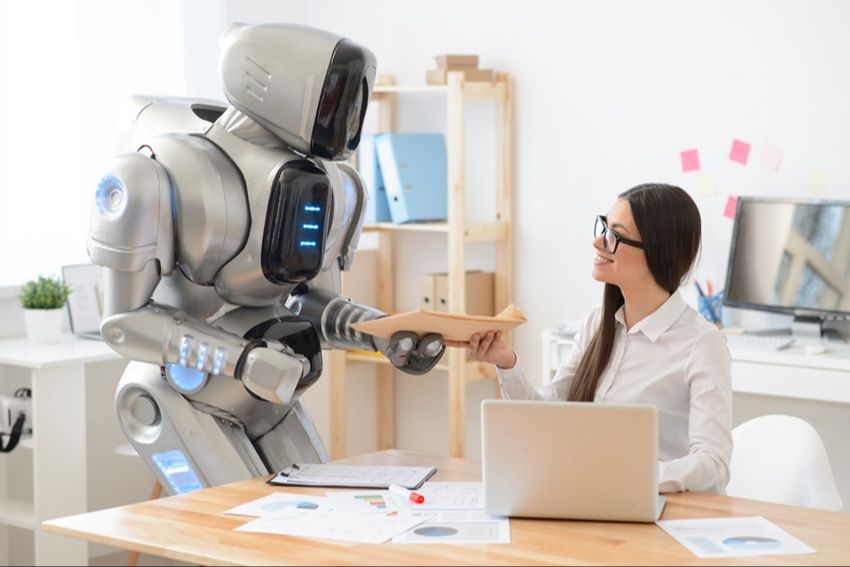
In recent years, the subjects of automation and robotization have been on everyone's lips. It's true that the sector has made considerable progress in recent decades. Indeed, some have succeeded in producing fairly agile humanoid robots. But the big question is what effect their introduction will have on human activities. When some studies talk of 47% of jobs being automated, it's chilling. Will we all be replaced by machines?
As this report shows, the question of robotization needs to be nuanced. What do we mean by job automation? Generally speaking, it's (often tedious) chores that are then taken over by robots. However, a profession is not made up of just one task. A single profession will perform a number of different activities, many of which are difficult for machines to perform. Everything to do with human contact, fine dexterity or creativity, to name but a few, cannot be 100% imitated by robotics.
Even those videos featuring robots doing antics are not representative of reality. They obey a particular program to achieve this; ask them to deviate from it and they'll suddenly become a lot less impressive. In fact, while certain professions are more at risk, we mustn't forget that this technology will also require new positions to regulate these machines, repair them, think up new assignments, etc. So the massive replacement of humans by robots is not something we can expect in the near future.
Running time: 26min22
You might also like:
Tests of vigilance and attention
Measuring attention remains a concern in many settings. Some work tasks are not very error tolerant. Here are a series of sample tests to measure attention in children and adults.
The Englishes MOOC course was developed by an artist and is designed for anyone interested in the (English) language. It explores the history of English, its pronunciation, and its relationship to the art world.
Develop your musical ear through play with Meludia
To a layman, music is just a tune performed by a musician. Yet, if he were to play Meludia, he would learn all the rudiments and terms associated with musical practice.
A series of games that require an ear.
The sharing economy has led to small changes in various economic sectors such as transportation, housing, etc. This approach has changed the relationship of citizens for different services, now cheaper and offered by their fellow citizens. However, who actually benefits from this new economy? The people or the companies in question? A U.S. newsgame shows how the life of Uber drivers isn't as lucrative as one might think.
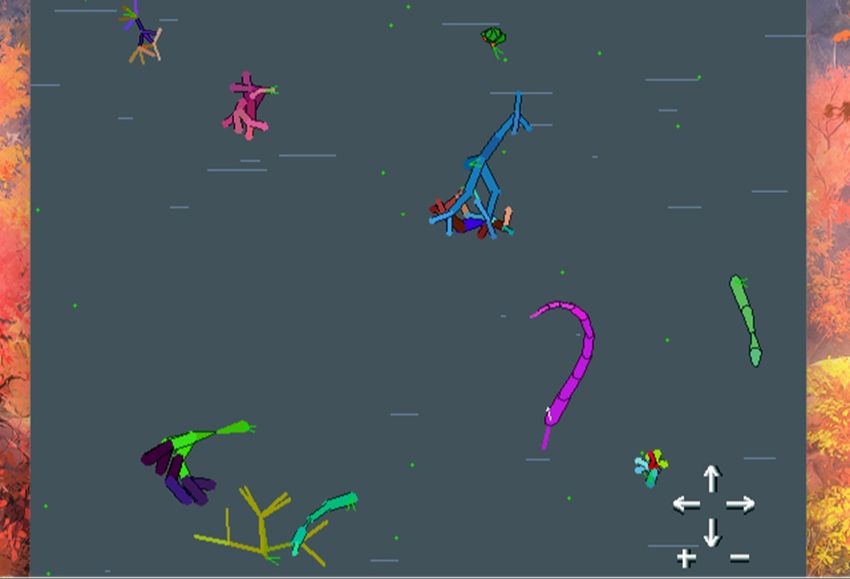
A virtual aquarium to understand Darwinian evolution
Is it possible to understand evolution through simulation? It would seem so. A very interesting resource for high school science classes.