In recent years, we've all heard reports or testimonials from people claiming to suffer from various food intolerances. Today's supermarkets offer large sections of gluten-free products, for example. Are we really sickened by our diet, or are we playing into the hands of various industries? A bit of both, as this report reveals.
Our nutrition affects our overall health, say a nutritionist and an immunologist. In the West, we now eat far too many processed foods, rich in salt, sugar and sometimes even chemicals, which upset the intestinal flora. As a result, the intestinal flora is less able to digest food that should not normally cause problems.
On the other hand, you have to be very careful about what you say about food. Let's not forget that dietary standards have constantly changed over time and across the globe. Scientific discoveries allow us to revise the requirements for different nutrients, but the issue of lobbying often comes to the surface. National food industries have a vested interest in making themselves look good to the public.
For example, the recommended daily intake of fish is higher in Scandinavian countries, since fishing is a major economic activity. What's more, there are an increasing number of free (or low-cost) blood tests for intolerances. However, these tests are based on little or nothing, and instead create anxiety and psychosomatic symptoms.
Lactose and fructose intolerance are well recognized by scientists. Celiac disease, on the other hand, affects 1% of the population. But should the rest of us eat gluten-free? There is no research to support this. The solution to a better diet lies in eating fewer processed products and more vegetables, fruit, natural fibers, etc.
Many serious games address the topic of sustainable development. Yet before such solutions were proposed, innovative people had to go against the social grain and fight to improve their environment. A humorous adventure game, hosted by the National Film Board, teaches children the attitudes they need to adopt to make a difference.
The sharing economy has led to small changes in various economic sectors such as transportation, housing, etc. This approach has changed the relationship of citizens for different services, now cheaper and offered by their fellow citizens. However, who actually benefits from this new economy? The people or the companies in question? A U.S. newsgame shows how the life of Uber drivers isn't as lucrative as one might think.
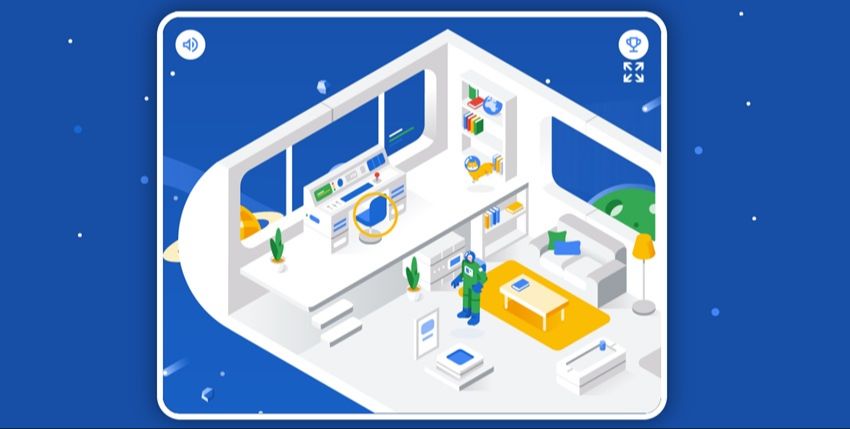
All our lives have an online component. As a result, a large proportion of Internet users are at risk of being tricked by hackers. A short game invites Internet users to remember certain elements of cybersecurity using a space theme.
A veritable showcase for public health, Koam was developed by Nutrikeo, a consulting firm specializing in nutritional strategies. Supported by BPI France, the Nouvelle Aquitaine region and Europe, Koam is the result of two years' work by a team of leading specialists in nutrition, childhood, pedagogy, sociology, digital and behavioral theory.