![]()
Truly integrating students with autism
More and more, the issue of neurodiversity is coming into the classroom. Indeed, autistic people are people on the spectrum who function differently but are able to be in a regular class... under certain conditions. Despite apprehensions, some institutions are succeeding and demonstrating that a bit of flexibility makes all the difference.
![]()
Participatory science: a great learning tool
Validation and reproducibility go well with "participation". What participatory science brings us is the missing link in giving a taste for learning to a mass of individuals who may be passionate but don't always have access to a support, a lever or a project that is sufficiently stimulating to begin in-depth work on the subject.
![]()
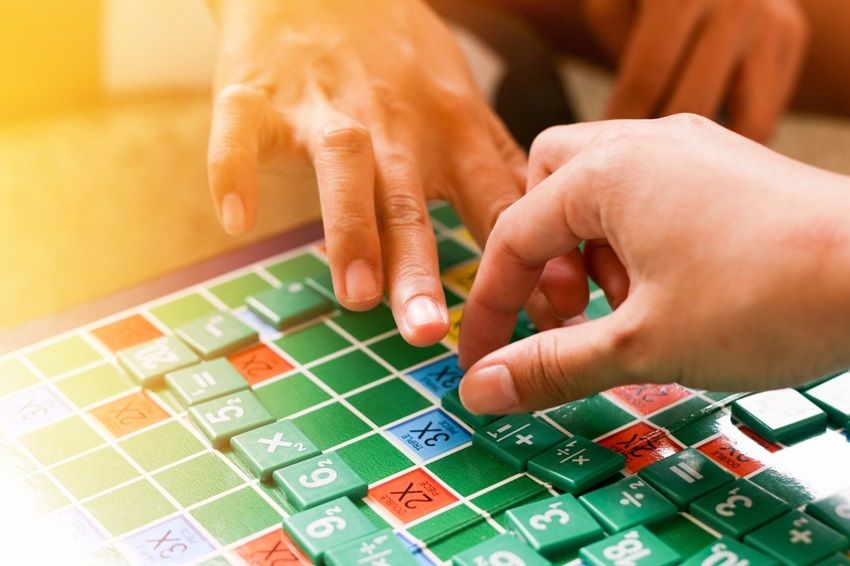
Pedagogical engineering in the creation of serious games
Integrating serious games into training courses is not as rare as it once was. Nevertheless, designers are increasingly using instructional engineering to design game experiences that meet the objectives and profiles of learners.
![]()
It's not so difficult to travel responsibly...
Asking people not to travel seems difficult and even a little counter-intuitive. Getting out of the house and out of the classroom has an important educational value. On the other hand, given today's environmental challenges, it seems necessary to rethink our approach to tourism in order to create wealth in the communities we visit, while reducing the footprint of the journey.
![]()
Protecting student data is a priority
Modern educational institutions are collecting more and more data on those who study there. This is good news for providing personalized services and pedagogy, but a growing risk with hackers. How can we ensure that everyone's identity and personal information is protected? School systems must invest in cybersecurity.