Foundations of the learning sciences
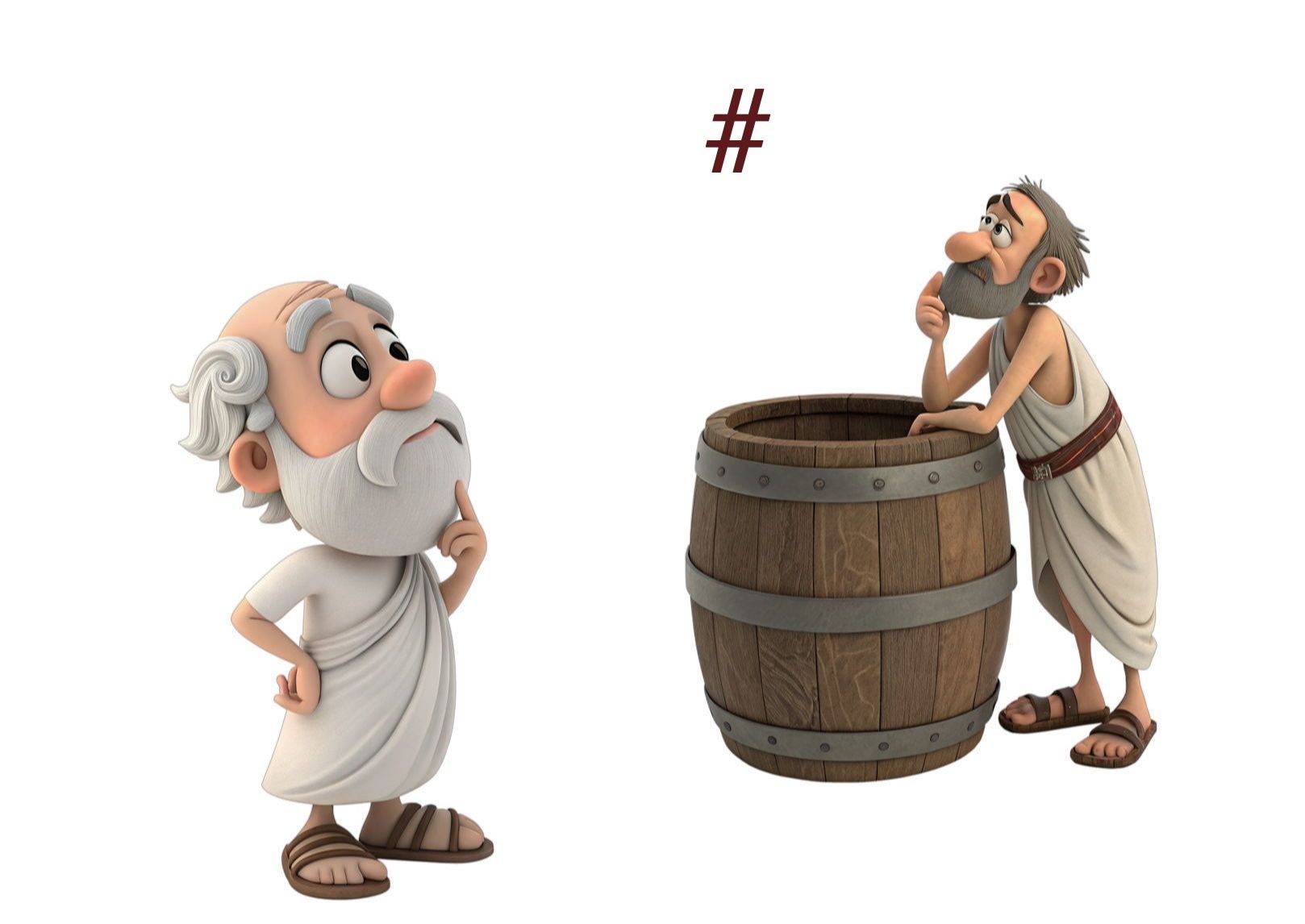
It took more than 600 years to shift the focus from the teacher and his methods to the learner and his motivations
Publish at April 24 2024 Updated April 24 2024


Anyone interested in the more horrific online culture in recent years has seen the term "liminal" pop up. For those less familiar with this Internet sphere, just type "liminal space" into an image search engine and you'll see classrooms, reception halls, offices, buildings and the like that create a sense of discomfort, even unease. Why is this?
The term "liminal" comes from the Latin "limen", meaning "threshold". In general, it was used to refer to milestones such as graduation or marriage, for example. The Internet and video game culture have seized on it to create something else.
According to online legend, these spaces are images of a parallel world that can be encountered by passing through our reality. Internet users use the term "no clip", which comes from video games and designates a mistake (or cheat code) where the character crosses walls to find himself outside the game.
What if these images mirrored our deepest reflections, our fear of solitude and the impression that something terrible lurks behind apparent calm? Liminal spaces play on this and create chills for millions of people.
Running time: 4min52
You might also like:
Foundations of the learning sciences
It took more than 600 years to shift the focus from the teacher and his methods to the learner and his motivations
World data on education - Unesco
While data is generally reliable in different education systems, it is more difficult to compare. The challenge for the Unesco Institute for Statistics is to produce useful, comparable data. The data is available in detail for all countries in the form of summary tables.
Assessing what's really valuable
Beyond rankings and sterile competitions, rethink school assessment to value the full range of skills developed by students.
The evolution of organizational optimization
To optimize organizations, change has to be managed. Several decades have seen the exploration of numerous change management methods.
Critical thinking in the age of artificial intelligence
Three philosophers of human experience discuss the pressing need for critical thinking in the age of generative AI