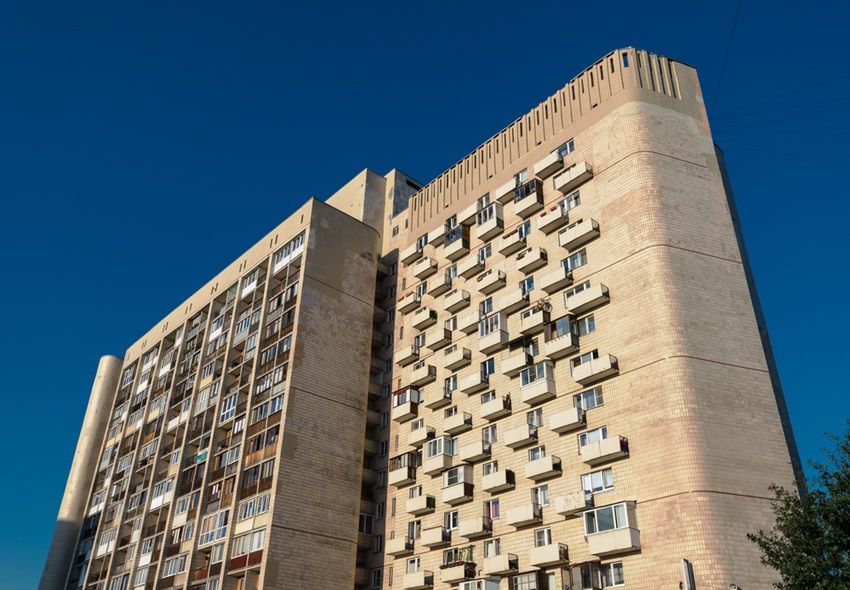
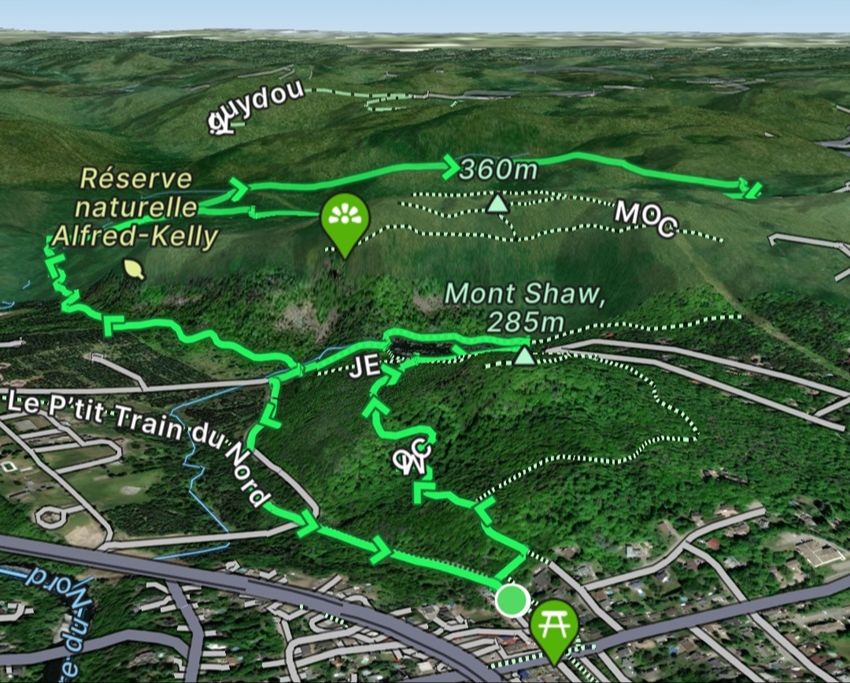
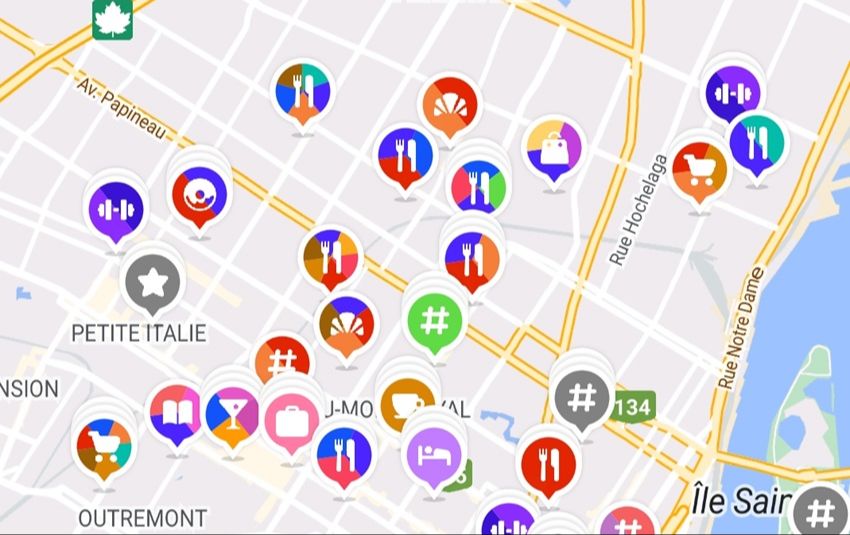
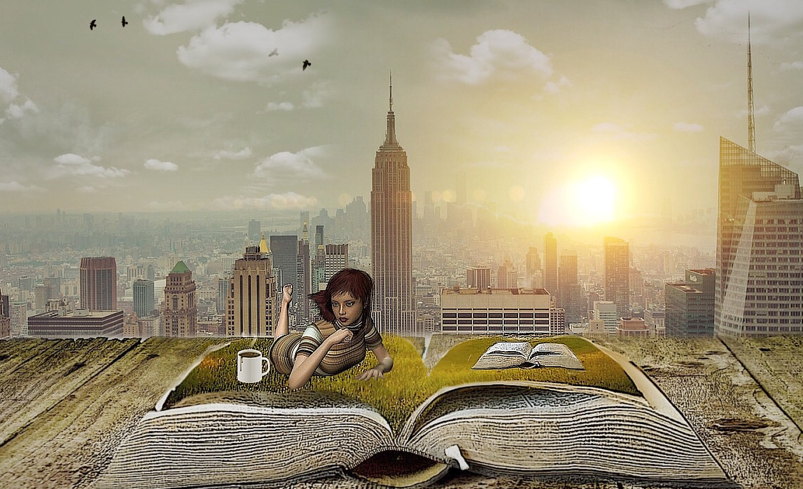
The notion of "place" is a broad one. The place embraced by the gaze, the one where we live or work, the one we remember, transformed or gone, the one that doesn't yet exist, the apartment of our dreams, or those, virtual, whose existence hangs on gigabits scattered in an elusive electronic cloud.
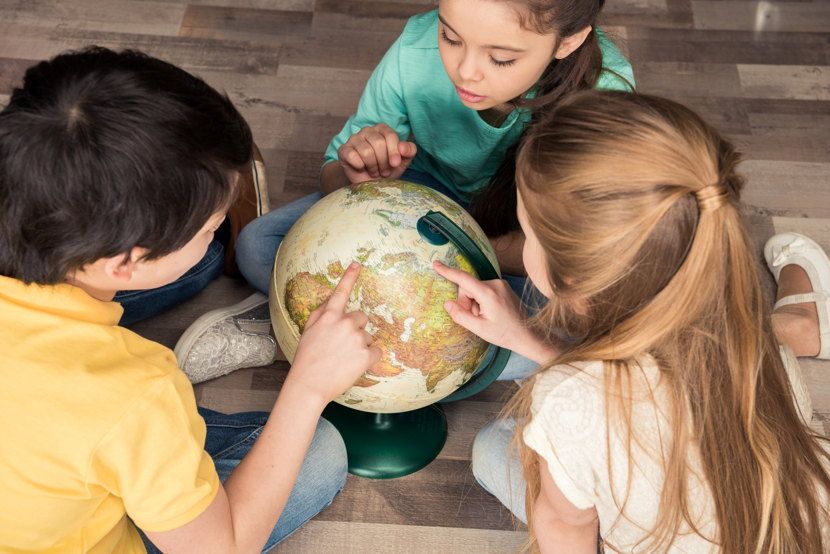
We always look from one point of view and we always end up somewhere, even in the unknown, like on a school bench on the first day of primary school. On that day, all the senses are on alert, and you have to learn fast to "find your way around". Over time, places become familiar, full of landmarks.
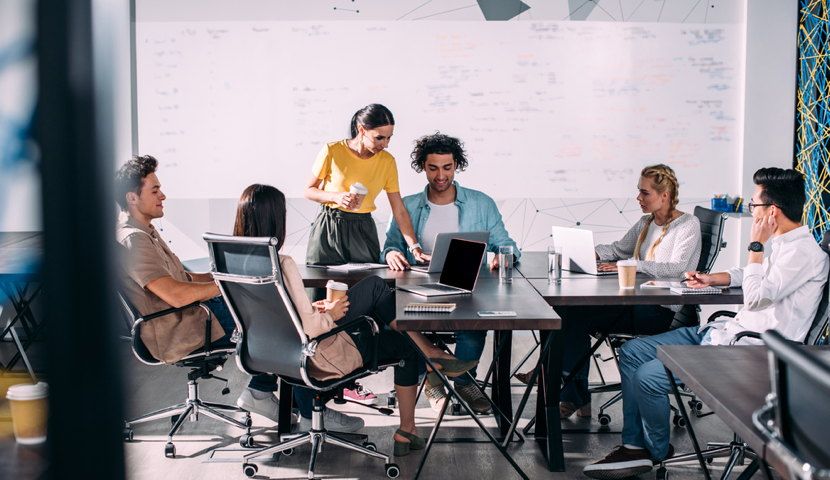
Places influence our behavior because they are made up of interactions, functions, materials, history and even imagination... as long as the sky was out of reach, it was the abode of the gods. With everything associated with a place, it's in your interest to know where you are so you can act there. Silently in the library or in court; attentively on the highway or in the classroom, but not in the same way, occupying space if you're on stage... places are defined by what you do there.
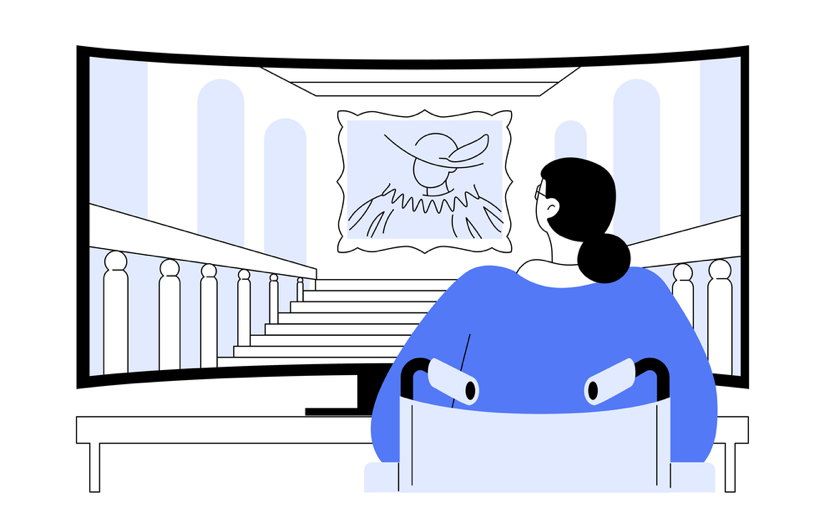
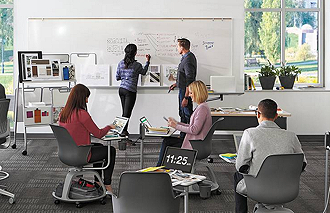
The students in the classroom, the sick in the hospital or the poor in the ghetto remind us that places are also social constructs: certain things are best done in certain places. But there's nothing to stop us giving a lecture in a park or a museum, haranguing a crowd in a public square or taking a virtual tour of the orbital station.
Some places are welcoming, others less so; it's not inevitable that schools become "difficult" environments for students and teachers alike. Places have their own history, landmarks and possibilities, and it's always up to us to make them places that are conducive to what we want to experience there. Starting with our classroom and ending with our planet.
Denys Lamontagne - [email protected]
Illustration: Hackman - DepositPhotos