Tests of vigilance and attention
Measuring attention remains a concern in many settings. Some work tasks are not very error tolerant. Here are a series of sample tests to measure attention in children and adults.
Publish at May 15 2024 Updated May 15 2024


Gandhi is quoted as saying that the best houses would be built with materials found within ten kilometers of the place where they are to be erected. The reality of construction around the world runs counter to this thinking.
This major industry is one of the most polluting. Vinu Daniel, an Indian architect, noticed in his experience the tons of garbage left behind by building sites. This gave him the idea of using it in building projects in India. The same goes for mud, often perceived as a brittle material, whereas a brick of this kind solidified by just 5% cement can support the weight of a man without breaking, even after 30 years immersed in water.
With these facts in mind, the architect decided to use mud, construction site remnants, water bottles left on the ground and tires abandoned in huge landfills to create solid, eco-responsible and beautiful buildings. Indeed, looking at the images of Vinu Daniel's creations, it would be impossible to know that the edifice was made from powdered waste. And yet it was.
This initially personal approach has begun to have a following in India. Good news for the future of Indian architecture and, by extension, for the planet itself.
Running time: 13min23
You might also like:
Tests of vigilance and attention
Measuring attention remains a concern in many settings. Some work tasks are not very error tolerant. Here are a series of sample tests to measure attention in children and adults.
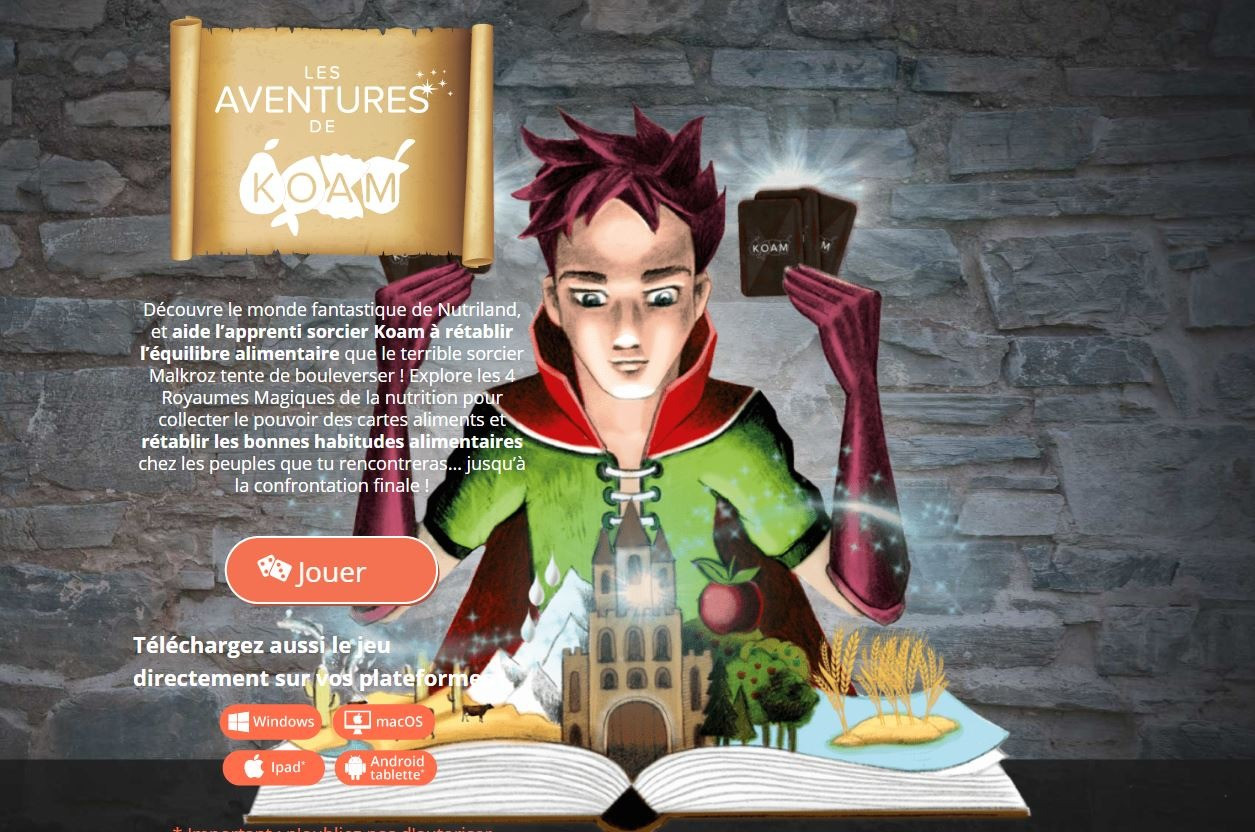
Koam, playing with balanced nutrition
A veritable showcase for public health, Koam was developed by Nutrikeo, a consulting firm specializing in nutritional strategies. Supported by BPI France, the Nouvelle Aquitaine region and Europe, Koam is the result of two years' work by a team of leading specialists in nutrition, childhood, pedagogy, sociology, digital and behavioral theory.
A multiplayer game designed for people with disabilities
Video games designed for people with disabilities are already a rare resource. An experience that allows multiple players is even rarer. Yet this latest creation from "Ludociels for All" challenges players to light up an entire maze by walking balls of light.
Develop your musical ear through play with Meludia
To a layman, music is just a tune performed by a musician. Yet, if he were to play Meludia, he would learn all the rudiments and terms associated with musical practice.
A series of games that require an ear.
The sharing economy has led to small changes in various economic sectors such as transportation, housing, etc. This approach has changed the relationship of citizens for different services, now cheaper and offered by their fellow citizens. However, who actually benefits from this new economy? The people or the companies in question? A U.S. newsgame shows how the life of Uber drivers isn't as lucrative as one might think.