We pride ourselves on being the most intelligent of animals, the ones who dominate from the sky to the depths of the sea. This claim is not false, but it omits an essential aspect: the other creatures of the fauna have helped us to develop technologies to outdo everything else. From ultrasound to thermal vision, it is the study of animals that has enabled us to understand these perceptions that were unknown to us.
In December 2005, a powerful earthquake in the Indian Ocean created a devastating tsunami that killed more than 250,000 people in various countries of Southeast Asia. Yet, on a small island in Indonesia, the 80,000 islanders had all packed up their belongings long before the wave hit and taken refuge in the hills. How did they know what no one else had foreseen? They would have followed the animals as they took shelter on their own. An animal sixth sense? It seems that species ranging from snakes to cows are partly capable of sensing the onset of disaster. So far, however, predicting earthquakes by wildlife alone has proved rather disappointing. After all, a host of factors come into play in this prediction.
Nevertheless, more and more scientists are using animals as research aids to better understand the state of ecosystems. By fitting them with state-of-the-art trackers, researchers are able to follow different species both in the air and on the seabed. In this way, they can obtain a wide range of information enabling them to understand what is happening on this planet undergoing major climate change.
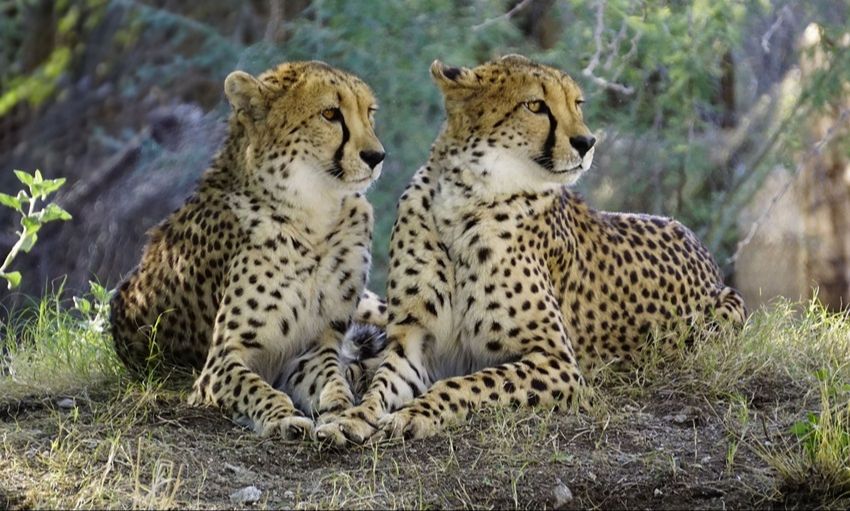
For example, they have noted that cheetahs have places where they gather, like bistros on the savannah. However, most herders were taking their calf populations to these hot spots, leading to the death of many of them and, in retaliation, the slaughter of many of the felines threatened with extinction. This better-understood reality has reduced the death toll on both sides.
The sharing economy has led to small changes in various economic sectors such as transportation, housing, etc. This approach has changed the relationship of citizens for different services, now cheaper and offered by their fellow citizens. However, who actually benefits from this new economy? The people or the companies in question? A U.S. newsgame shows how the life of Uber drivers isn't as lucrative as one might think.
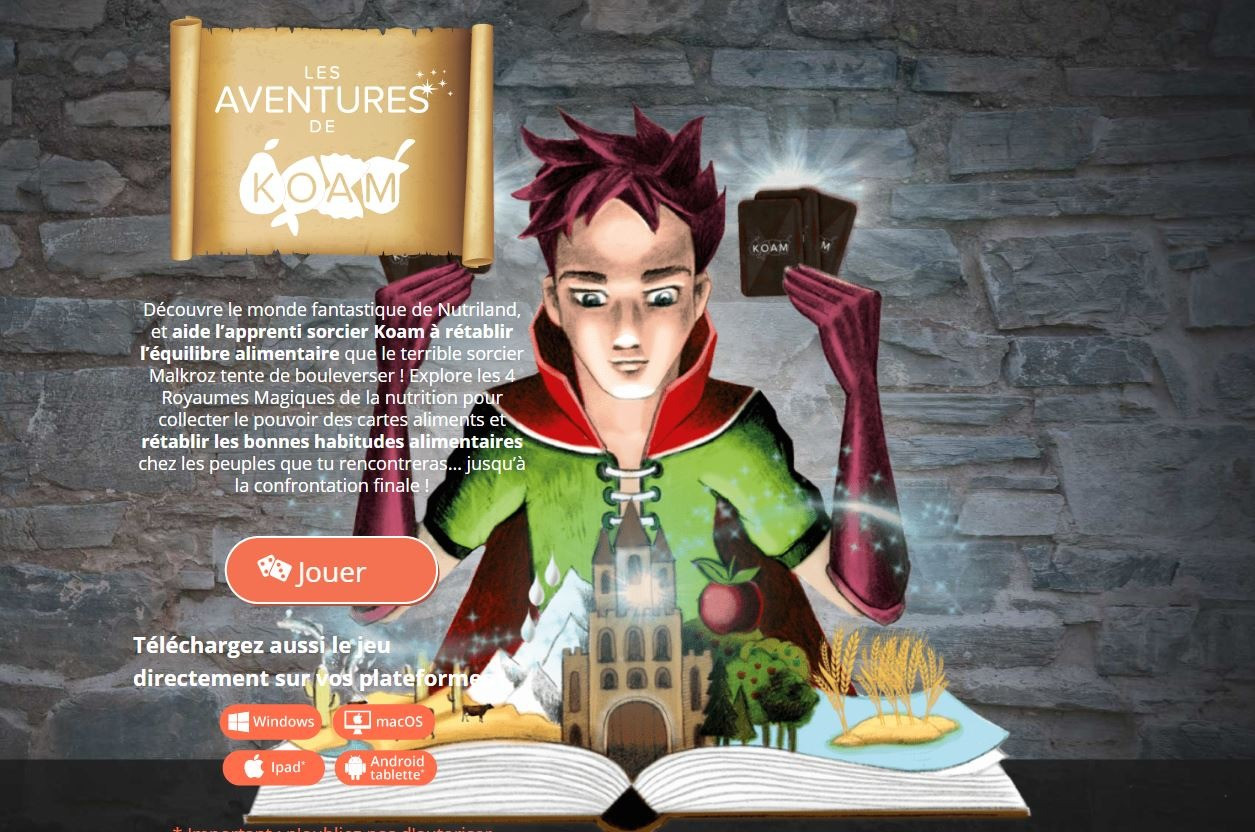
A veritable showcase for public health, Koam was developed by Nutrikeo, a consulting firm specializing in nutritional strategies. Supported by BPI France, the Nouvelle Aquitaine region and Europe, Koam is the result of two years' work by a team of leading specialists in nutrition, childhood, pedagogy, sociology, digital and behavioral theory.
How do you talk to children about genetics and heredity? A British museum has come up with the method: design a game in which you create a line of adorable creatures with precise objectives. The game is fun, colorful and easy to learn. Even adults will succumb to the charms of the bugs and their large families.
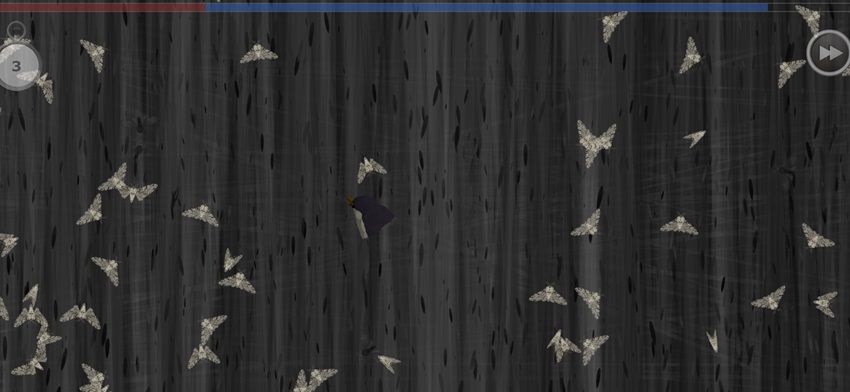
An original approach to depression. The game's metaphor is well conceived, a little dark and informative about a problem that affects millions of people.