Vocational training: quality versus quantity
How can we prepare a generation of workers to drive the continent's economic transformation without exacerbating social inequalities?
Publish at September 11 2024 Updated September 11 2024


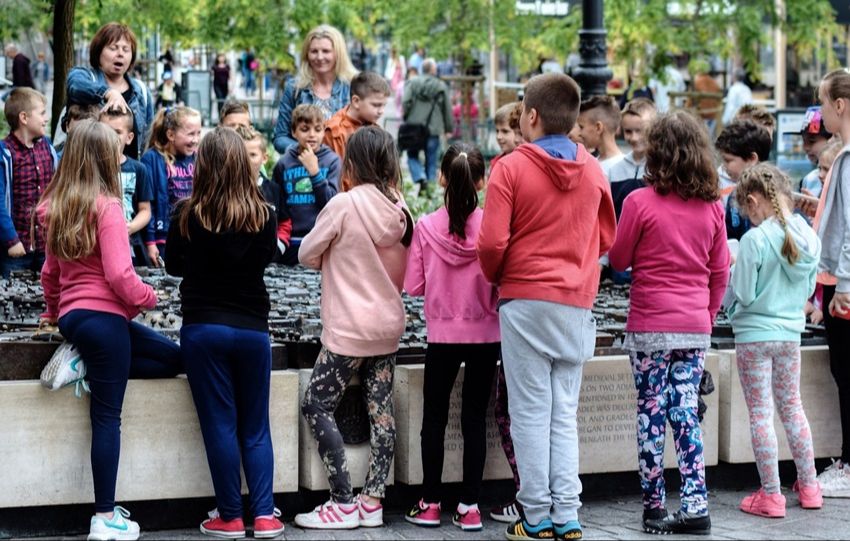
The last days of summer are over. The vacations are over. All signs point to the start of the new school year. A stressful time for students, of course, but also for teachers, who find themselves with new classes and the pressure to succeed. How do you get the school year off to a good start? Everyone has their own tricks, but Naïm Bououchma, teacher and teacher trainer, has put together a short capsule on his YouTube channel to help his colleagues.
Quite often, teachers are under the impression that they need to get started as quickly as possible in order to follow and finish the program. For Mr. Bououchma, however, this approach is not constructive, as the teacher finds himself in front of dozens of strangers per class, and he hopes to establish a bond of trust to transmit things without knowing his students.
For him, learners enter a new year in "diesel" mode (establishing the right conditions to get started). It's best to take the first two weeks so that they can get to know each other better and inform the teacher, who can then take note of any incompatibilities, aptitudes, sources of motivation, possible problems and so on. He does this through play, among other things, but there are many ways of achieving this. Contrary to what you might think, this diesel approach, he believes, leads to a better classroom experience for the rest of the year.
The question of communication is also crucial. The teacher must be able to share the information he or she obtains with colleagues and parents. Whether it's about pedagogical issues or harassment, prompt communication is a good way of ensuring that a student doesn't "slip through the cracks". Finally, teachers must not neglect themselves. Of course, it's important to prepare your classes well, but that doesn't mean you have to forget about your private life. This reflex even leads to overwork and negative feelings very early in the school year.
Running time: 14 minutes
Image: TheoRivierenlaan from Pixabay
You might also like:
Vocational training: quality versus quantity
How can we prepare a generation of workers to drive the continent's economic transformation without exacerbating social inequalities?
Comic book and video game by-products: how to materialize them and bring them to life
Objects derived from comic books (Tintin, Asterix...) and video games (Super Mario, Zelda...) transcend their commercial role to become bridges between fiction and reality. From their materialization, craft design (Fariboles, Pixi) and industrial production to their cultural and educational effect, these objects, enriched by technology (AI, augmented reality), inspire creativity and learning.
Practice first, then theory: a path linked to constraints in the field
Theory and practice go hand in hand. In teaching, the former generally precedes the latter. However, there are situations in which you enter a sector through practice, gradually absorbing theoretical knowledge.
Engaging school dropouts in environmental issues
Motivating children who have dropped out of school on environmental issues is entirely feasible. In reality, it's a question of motivating the parties involved (parents, environmentalists and public authorities) to find the right formula, which involves designing and implementing a program that can be adapted to suit the context.
The online quality assurance toolbox for higher education: 662 indicators
The quality of this document lies in the fact that, for each of the 223 standards, an observable performance criterion is defined. If an institution intends to adopt a real quality policy, this reference framework is an excellent starting point.