![]()
The ecological challenge of digital schooling
Digital technology has a heavy environmental cost that is too often ignored. From the earliest age, schools need to raise awareness of the hidden impacts of our digital uses. This is vital if we are to build a more sustainable digital society.
![]()
Assessing what's really valuable
Beyond rankings and sterile competitions, rethink school assessment to value the full range of skills developed by students.
![]()
Exercising one's attention, a challenge in pedagogy
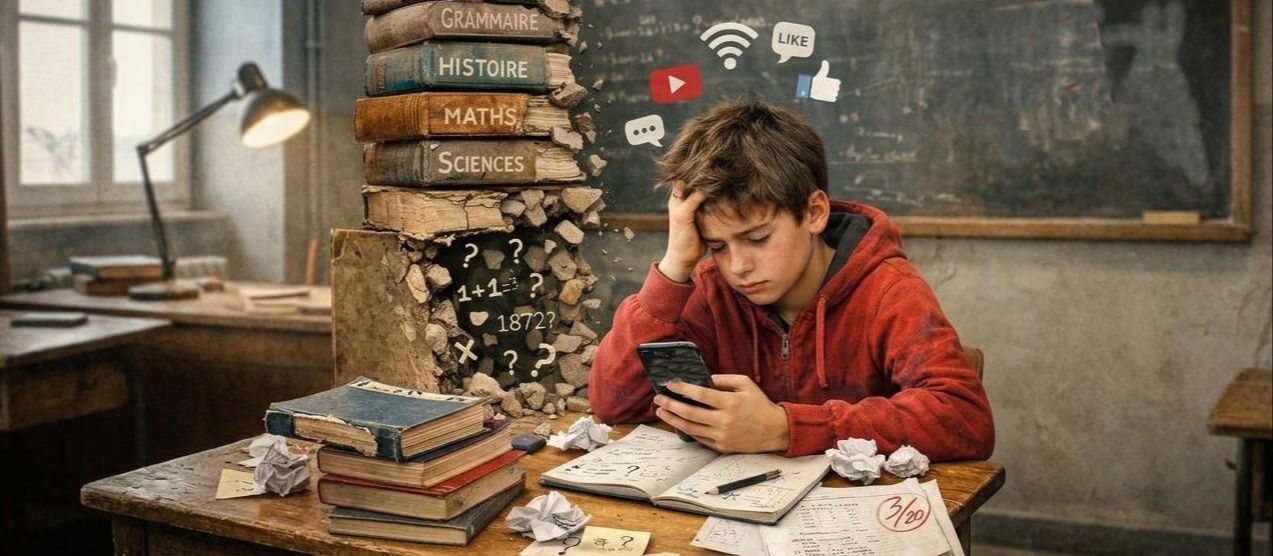
Our attention flits, opens, focuses, fixes, scatters. It is also coveted and easily distracted, unless we direct it. Wise advice on how to better control it.
![]()
Oral therapy
Public speaking games, such as storytelling, slamming, individual public speaking or debate, bring happiness to those who practice them on several levels. Not only do they give you pleasure, but they can also relieve or prevent certain health problems such as stuttering and Alzheimer's. Hence the term oralth therapy.
![]()
Writing among teenagers, put to the test by digital technology and AI
Digital writing offers a lot more freedom, but its users also run many risks.