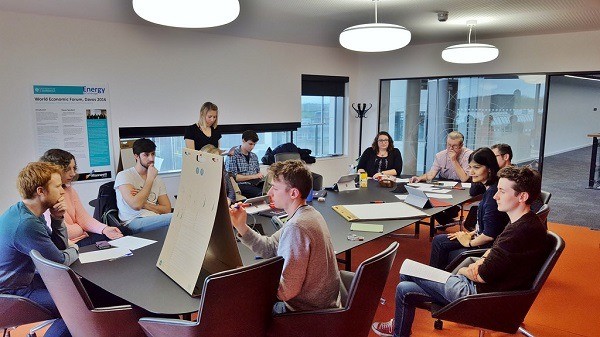
The soft skills of organizations, a benefit for collective learning
The company is not a world of brutes, it can develop soft skills
Publish at October 30 2024 Updated October 30 2024



Applying gift theory and mesology to learning opens up new perspectives on what we should be paying more attention to when assessing. Teaching is more than just the transmission of knowledge.
This article is reserved for subscribers to the full edition. You can subscribe Here.
You might also like:
The soft skills of organizations, a benefit for collective learning
The company is not a world of brutes, it can develop soft skills
Why continue with the virtual outings?
With the pandemic over, school trips could resume. However, the possibilities of virtual travel are still interesting. How does virtual reality bring more than the real thing? In fact, virtual reality is a good complement to travel when budgets for going out are limited.
For over 60 years, brainstorming has been used in the workplace and at school to stimulate creativity. But this appearance could be deceptive. More and more specialists believe that these collective brainstorming sessions are more harmful than practical for coming up with original ideas? So, is brainstorming outdated, or should we use it in other ways?
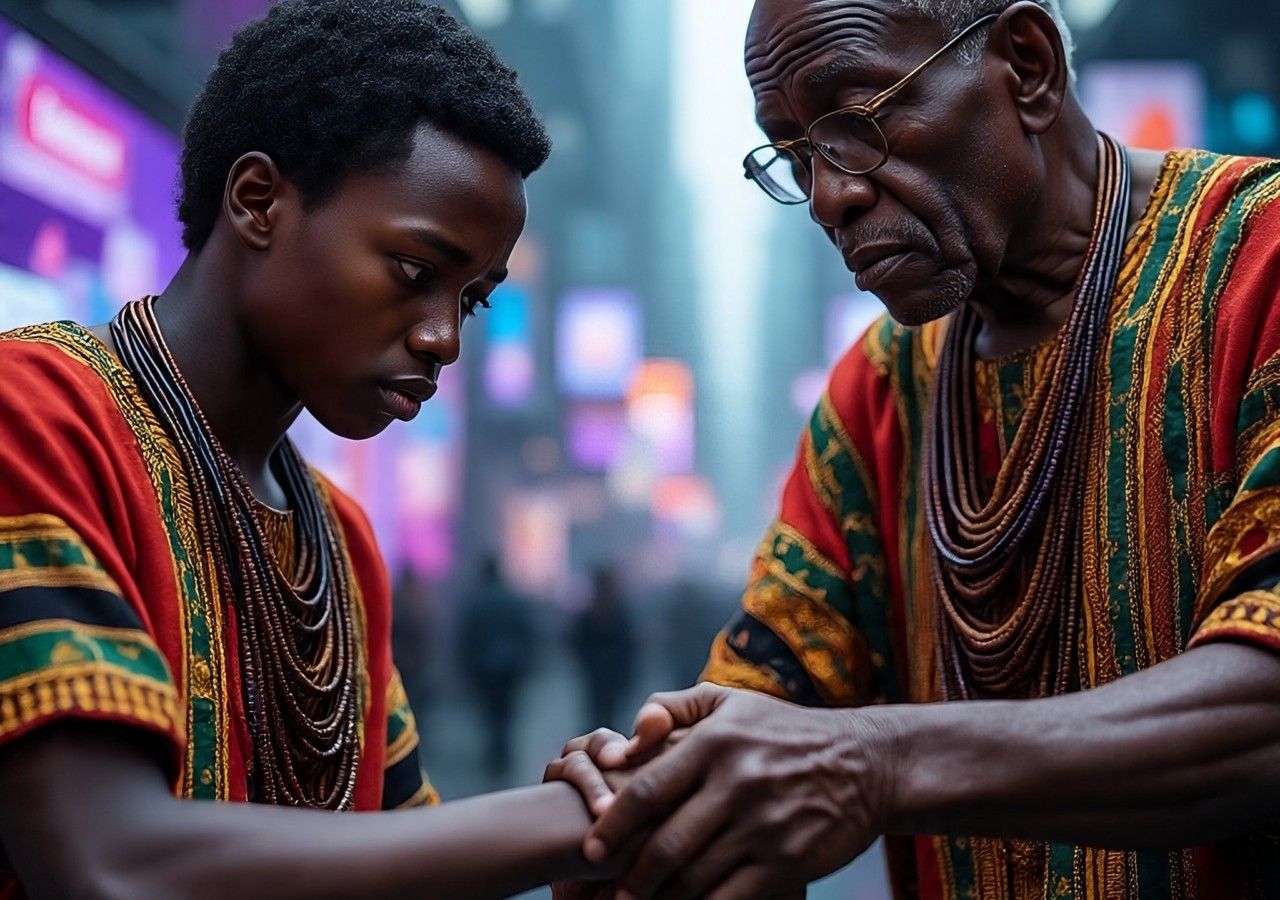
Back to reality through seniors
Seniors have a role to play in giving younger generations a better balance when it comes to the virtual world. For one thing, they come from a much less cyber-dependent era. What's more, they have real-life experience, decades of life experience and a better relationship with nature. It's a good idea to make the most of them and reconnect them with the younger generation.
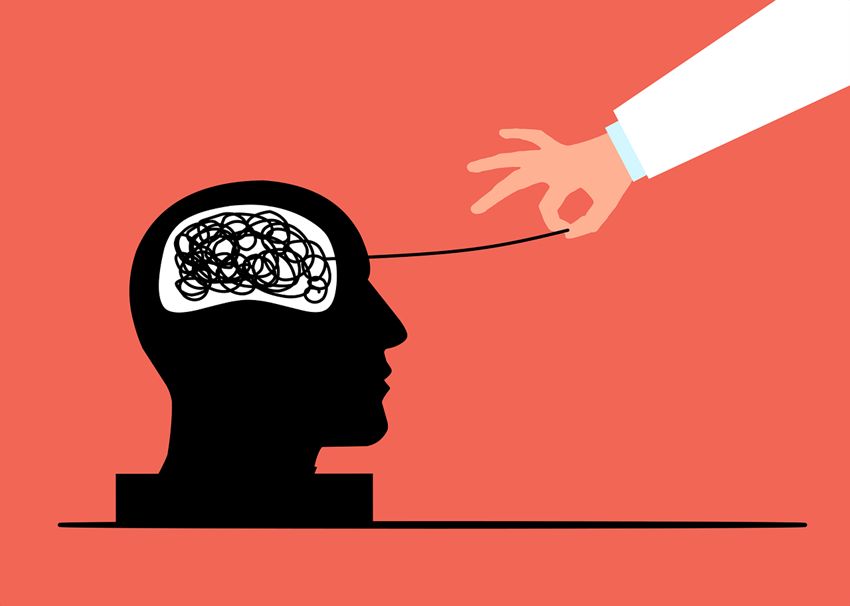
Our grey matter can also succumb under the weight of what we put on it. Like a weightlifter trying to go far beyond the load he can lift, we can find ourselves overwhelmed, with deleterious effects on what comes next.