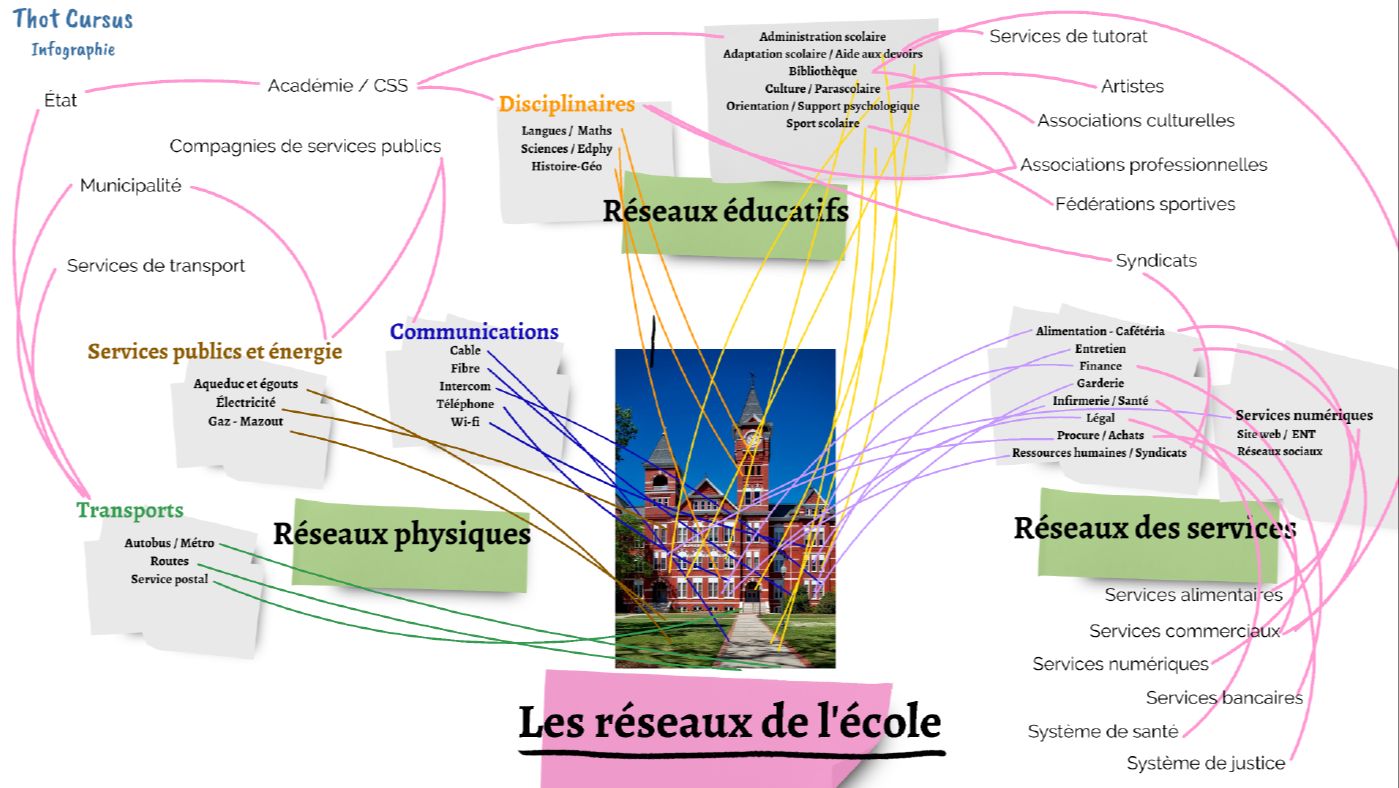
Gas pipelines, oil pipelines, aqueducts, electricity grids, telephone and cellular networks, submarine cables, roads, railroads, satellites, etc., criss-cross territories and space. Designing, operating and maintaining these networks requires an immense amount of practical and theoretical knowledge. Fluidity, thermodynamics, interference, loads, redundancy, reliability, coordination and so on. What we lack is knowledge of the effects of networks on the social fabric, which, curiously, is only just beginning to be studied.
Networks are expanding everywhere, and natural networks often serve as models. The root networks of trees are frighteningly efficient, as is the coverage of space by insects in a forest: no one escapes them. Rome became Rome through its aqueducts, roads and ports. But above all, its communications network enabled it to extend its influence and direct activities.
Today, our communication networks are not only several orders of magnitude faster than those of the Romans, they also cover almost the entire globe, and ignore language barriers. If the Romans extended their power through their networks, we can assume that the same phenomenon is happening today, on an even greater scale. The intentions behind this expansion are most often commercial and political, which is no different from the time of Rome, and neither is their concentration in the hands of a few companies and states... Rome never had more than two real competitors simultaneously, which didn't stop it from disappearing.
In education, we are beginning to feel the effects of the omnipresence of networks on the social fabric, and they are less positive than we first thought. With a layer of artificial intelligence, digital networks take on the appearance of spider webs, impassively waiting for their innocent prey. Let's hope it's just a temporary Halloween.
Denys Lamontagne - [email protected]
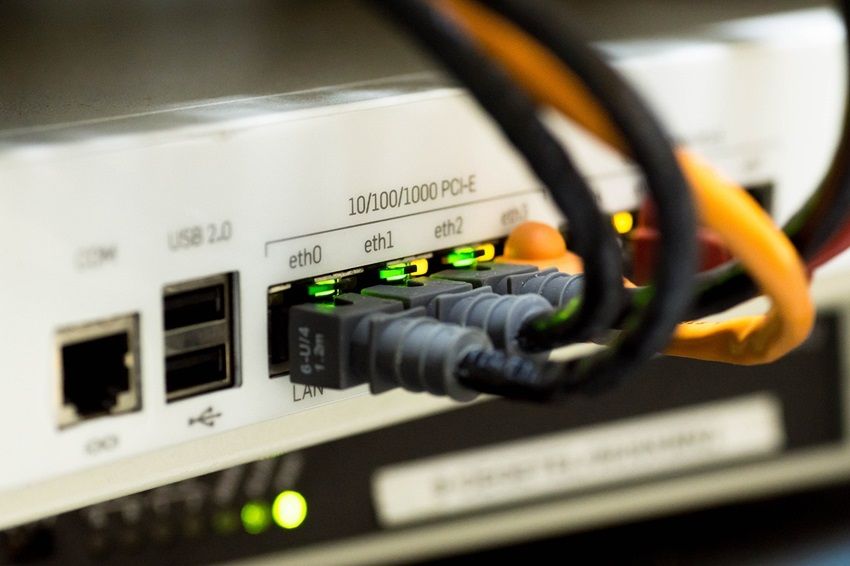
Illustration - Pixabay