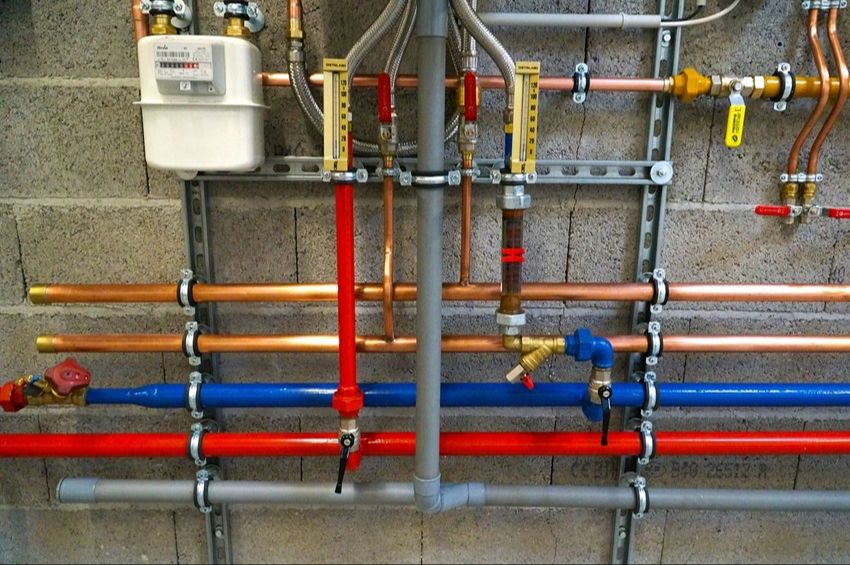
In addition to the electrical network, our homes are home to a large network of plumbing pipes of all kinds. These are essential for the supply and removal of water in a home. Most of us, however, don't know the difference between the different types of pipe. This becomes even more problematic when it comes to repairing or planning a plumbing project.
This short video from BâtirSaMaison seeks to inform everyone about the different types of pipes that exist, giving a brief description and highlighting the advantages and disadvantages of each. So, it's quite possible that you'll come across or need these pipes:
Copper: one of the most common plumbing materials, although gradually being replaced, mainly used for water conveyance. Resistant, recyclable and antibacterial, they can be costly, noisy and require soldering skills.
Cross-linked polyethylene (PER or PEX): used for hot and cold water conveyance, wastewater evacuation or low-temperature heating. It is well insulated, corrosion-resistant and easier to install, but cannot withstand high temperatures or UV rays.
Multilayer: composed of two layers of PER and one of aluminum, it is replacing copper and even PER pipes, since it has the advantages of both. On the other hand, it is difficult to install because of its heaviness and the fact that it requires crimping.
PVC: mainly used for wastewater drainage as a replacement for old lead pipes, it is light, corrosion-resistant and can be installed by gluing, but does not stand up well to heat, UV and high pressure.
Flexible: mainly used for appliances such as washing machines, dishwashers or water heaters, it is robust and easy to handle, but rather expensive.
These 5 types are all used in plumbing systems. It's up to you, or your plumber, to decide what's right for certain projects in your home.
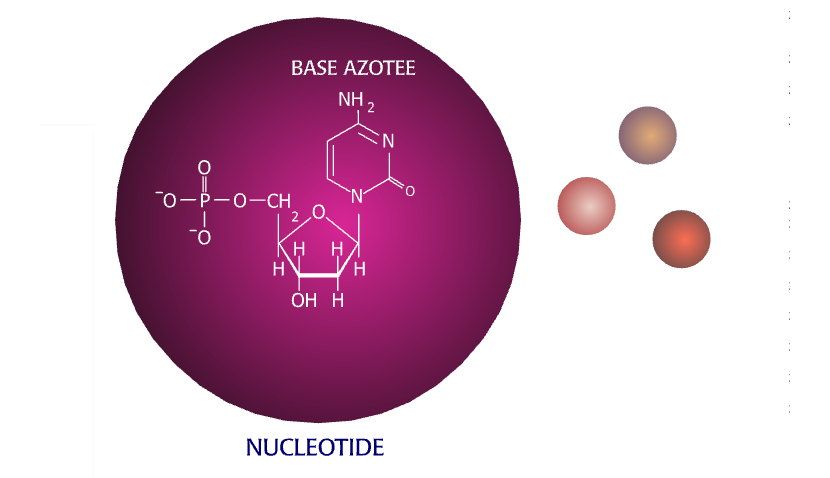
How do you talk to children about genetics and heredity? A British museum has come up with the method: design a game in which you create a line of adorable creatures with precise objectives. The game is fun, colorful and easy to learn. Even adults will succumb to the charms of the bugs and their large families.
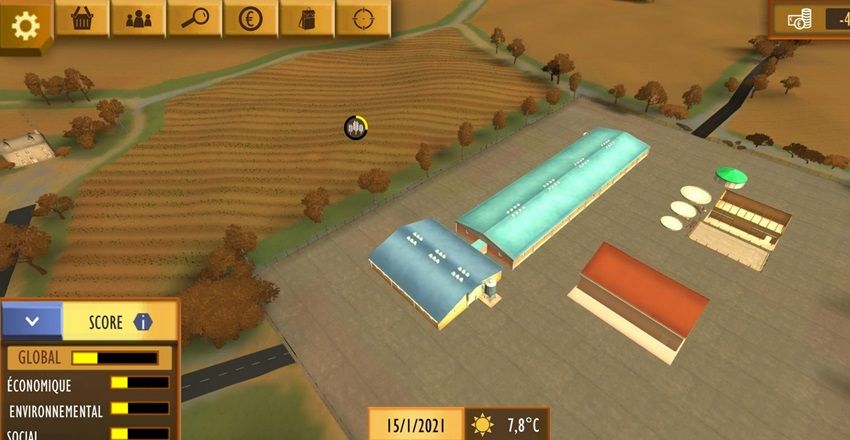
There's nothing simple about being a farmer. You have to plan your activities throughout the year, make sure you have the right machinery, maintain it and so on. All with a view to ecology. A serious French game seeks to teach agroecology.
A veritable showcase for public health, Koam was developed by Nutrikeo, a consulting firm specializing in nutritional strategies. Supported by BPI France, the Nouvelle Aquitaine region and Europe, Koam is the result of two years' work by a team of leading specialists in nutrition, childhood, pedagogy, sociology, digital and behavioral theory.
All our lives have an online component. As a result, a large proportion of Internet users are at risk of being tricked by hackers. A short game invites Internet users to remember certain elements of cybersecurity using a space theme.