Publish at November 20 2024Updated November 18 2024
What are the new GMOs?
What are they?
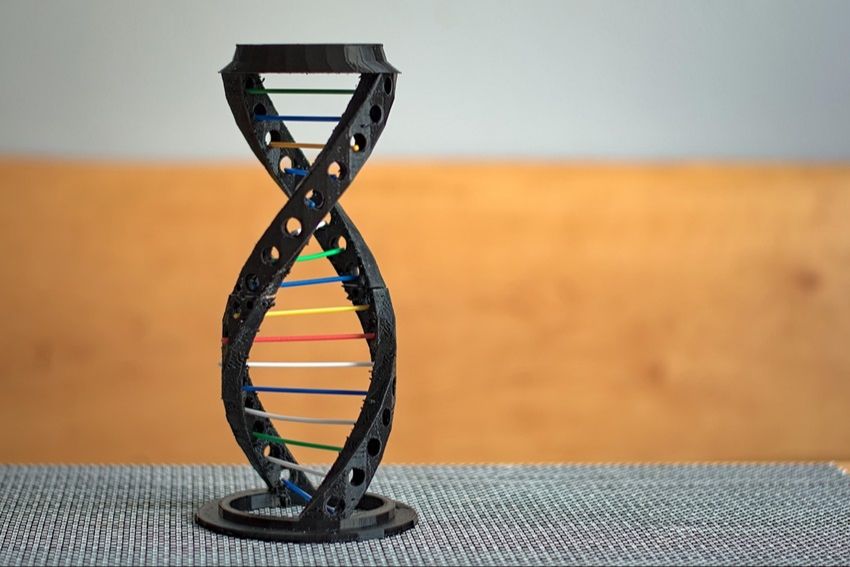
The first genetically modified organisms (GMOs) are already 40 years old. In the 1980s, scientists discovered that it was possible to alter the genome of living beings by introducing genomes from related or different beings. The famous Monsanto seeds were injected with a bacterium to make them more weather-resistant.
In recent years, a new generation of GMOs has emerged. CRISPR/Cas9 technology, or gene scissors, can produce surgical changes in plants and animals. The scissors break the genome and insert the desired gene into the repair. As a result, the risk of mutation is very low, and transformations are much easier to achieve. Major world powers such as China and the United States are currently working on improving plants to protect them from insects, or creating generations of pigs that will resist the diseases that particularly affect their species.
Obviously, this technology comes with many ethical questions and detractors. This leads to fierce debates in agri-food issues, perhaps even as important as the first generations of GMOs.
How do you talk to children about genetics and heredity? A British museum has come up with the method: design a game in which you create a line of adorable creatures with precise objectives. The game is fun, colorful and easy to learn. Even adults will succumb to the charms of the bugs and their large families.
Many serious games address the topic of sustainable development. Yet before such solutions were proposed, innovative people had to go against the social grain and fight to improve their environment. A humorous adventure game, hosted by the National Film Board, teaches children the attitudes they need to adopt to make a difference.
The Englishes MOOC course was developed by an artist and is designed for anyone interested in the (English) language. It explores the history of English, its pronunciation, and its relationship to the art world.
An original approach to depression. The game's metaphor is well conceived, a little dark and informative about a problem that affects millions of people.
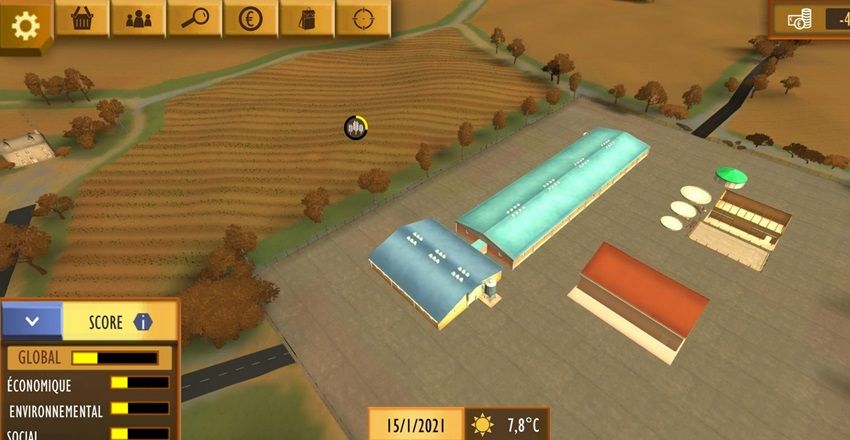
There's nothing simple about being a farmer. You have to plan your activities throughout the year, make sure you have the right machinery, maintain it and so on. All with a view to ecology. A serious French game seeks to teach agroecology.