Learn the mechanisms of misinformation with Bad News
Understand the strategies of online disinformation through an interactive experience that puts you in the shoes of a fake news propagator.
Publish at November 20 2024 Updated November 18 2024


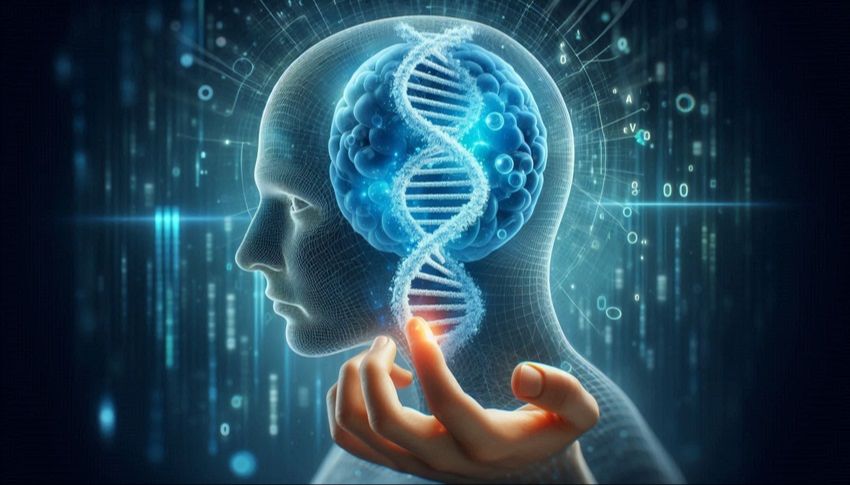
Could we genetically optimize human beings? This scenario, which sounds like something out of science fiction, has never been so close. It raises ethical questions, which Bertolt Meyer, who was born with a congenital malformation, has addressed. Gene therapy already exists in certain medical sectors. It holds out some hope of being able to treat hitherto incurable genetic diseases by inserting a healthy gene. For the moment, however, these approaches are not so miraculous. Most tend to increase the incidence of cancer considerably.
On the other hand, CRISPR/Cas9 genetic scissors technology is making it increasingly easy to perform genetic modifications on all living beings, including humans. Here again, this can be wonderful news for people with cancer. On the other hand, nothing would prevent governments from creating people insensitive to fear or pain, and turning them into perfect little soldiers. Anything is possible. As one of the interviewees said, Einstein didn't have the atomic bomb in mind with his discoveries...
We can already see the ethical questions raised, for example, by prenatal detection of trisomy 21 or other genetic anomalies. Most abort when the chromosome is affected by the disease (in the case of Down's syndrome (Trisomy 21)).
From a personal point of view, it's hard to blame parents for the potentially heavy burden of a child with this cogenital defect. On the other hand, how can we socially ensure that we avoid a eugenic regime?
Running time: 26 minutes
You might also like:
Learn the mechanisms of misinformation with Bad News
Understand the strategies of online disinformation through an interactive experience that puts you in the shoes of a fake news propagator.
Newscraft: the game that puts you in the shoes of a reporter
A serious game that explains and brings to life the notion of news selection and the editorial line of different types of media.
"Space Shelter: Google's cybersecurity game
All our lives have an online component. As a result, a large proportion of Internet users are at risk of being tricked by hackers. A short game invites Internet users to remember certain elements of cybersecurity using a space theme.
Tests of vigilance and attention
Measuring attention remains a concern in many settings. Some work tasks are not very error tolerant. Here are a series of sample tests to measure attention in children and adults.