Publish at November 27 2024Updated November 27 2024
The origins of violence
Did early humans already have a warrior's spirit?
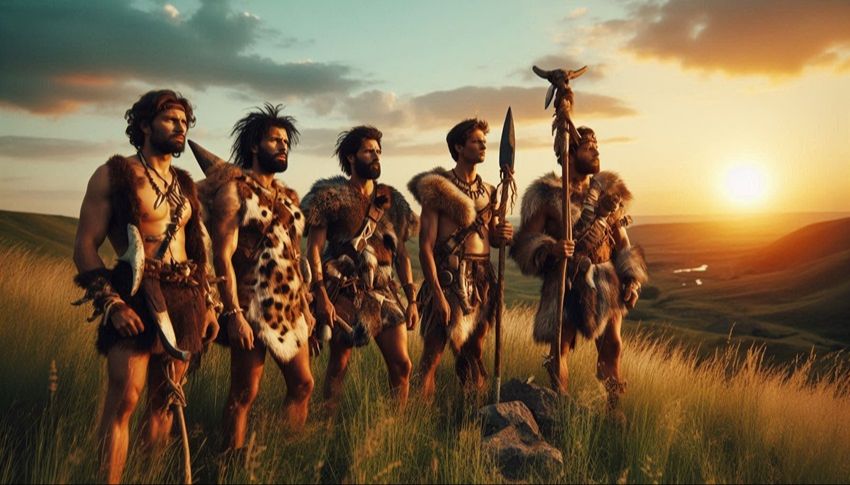
For a long time, we were fed 19th-century propaganda on the subject of prehistoric man. They were seen almost as violent, barbaric animals. It was a way of looking down on the humans of the time, like so many others in history. This image has forged a huge part of the representations of Paleolithic man. However, contemporary research and knowledge tend to undermine this vision.
Marylène Pathous-Mathis, interviewed here on Arte's "Les idées larges" program, explains what archaeologists and specialists have discovered. We seem to have a tendency to confuse two principles: violence and aggression. It's true that early humans were sometimes hostile towards fellow humans who tried to attack them or their families. However, these isolated acts do not represent the organized armed violence that would come thousands of years later. On the contrary, it appears that hunter-gatherer tribes were in situations of abundance that did not oblige them to fight among themselves. Cooperation was strong, even with those born with handicaps.
The notion of violence became more apparent with the advent of sedentarization and human productivism. As Jean-Jacques Rousseau summed up, conflicts arose from the concept of property, territory and social class differentiation. The first rich men's tombs appeared. Then, the Bronze Age led to the creation of the first weapons designed not to hunt, but to kill other people.
Video games designed for people with disabilities are already a rare resource. An experience that allows multiple players is even rarer. Yet this latest creation from "Ludociels for All" challenges players to light up an entire maze by walking balls of light.
Many serious games address the topic of sustainable development. Yet before such solutions were proposed, innovative people had to go against the social grain and fight to improve their environment. A humorous adventure game, hosted by the National Film Board, teaches children the attitudes they need to adopt to make a difference.